As an Amazon Associate, we earn from qualifying purchases. Some links on this site are affiliate links at no extra cost to you. Our recommendations are based on thorough research and editorial judgment.

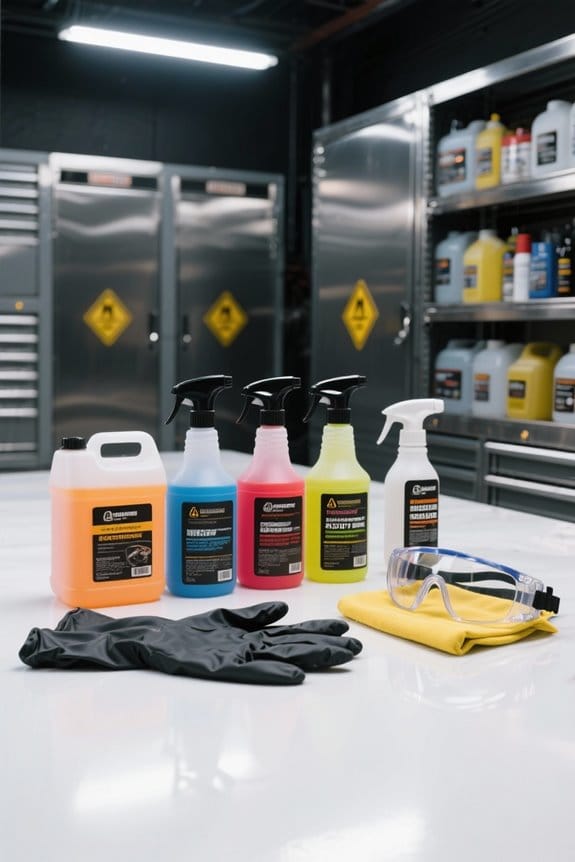
Chemical Safety In Detailing: Storage, PPE, And Cross‑Contamination Avoidance

Chemical safety in detailing is essential for protecting workers and clients. Proper chemical storage involves using clearly labeled containers and keeping them well-ventilated. Personal Protective Equipment (PPE), like gloves and goggles, helps prevent exposure to harmful substances. To avoid cross-contamination, use dedicated tools for each chemical and follow strict cleaning procedures. Regular training can reinforce these safety practices. By understanding these key practices, you can guarantee a safer detailing environment for everyone involved. Curious about more tips?
Key Takeaways
- Clearly label all chemical containers and ensure they are stored according to compatibility to prevent hazardous reactions.
- Utilize appropriate PPE, such as gloves and goggles, to minimize exposure to harmful chemicals during detailing tasks.
- Implement dedicated tools for each chemical and regularly clean them to avoid cross-contamination in your detailing processes.
- Conduct routine inspections of PPE and storage areas to ensure they remain effective and compliant with safety regulations.
- Maintain an updated inventory of chemicals and strictly prohibit food and drink in areas where chemicals are handled to enhance safety.
Why Chemical Safety Matters in Detailing
You may be interested



Chemical safety in detailing is not just important; it is crucial. Improper handling of chemicals can expose workers and customers to toxic substances or chemical burns. Many detailing products contain hazardous materials, making understanding Safety Data Sheets (SDS) essential for reducing health risks. Proper storage is another key factor. Chemicals should be stored in clearly labeled, compatible containers to avoid dangerous reactions. Using Personal Protective Equipment (PPE), like gloves and goggles, protects against skin irritation and eye damage. Cross-contamination avoidance is critical, too. Using dedicated tools for each chemical helps prevent unsafe interactions. Together, these practices contribute to workplace safety and minimize the risk associated with hazardous waste. Being informed and proactive guarantees safe detailing experiences for everyone involved. For certain applications, choosing the right 3M Automotive Tape can enhance safety and precision in automotive detailing projects.
Best Practices for Safe Chemical Handling

In any detailing shop, safety begins with knowledge. Employees must be trained to read Safety Data Sheets (SDS). Understanding these sheets helps them recognize hazards and practice safe usage. Using personal protective equipment (PPE) like gloves and goggles is essential. Regular inspections guarantee this gear protects against chemical exposure. It is important to use cleaners designed specifically for multi-surface cleaning needs, as they effectively lift dirt and grime without damaging the surfaces. Chemicals should always be kept in clearly labeled containers. Familiarity with warning labels boosts hazard recognition and enhances safety. To prevent cross-contamination, dedicated tools for chemical transfers must be used. Avoid mixing chemicals unless authorized; this helps prevent dangerous reactions. Additionally, eating, drinking, or smoking in chemical handling areas should be strictly prohibited. These best practices for handling chemicals help secure a safer work environment for all employees.
Recommended Products

High-Performance Chemical Protection: These 15-mil thick 100% nitrile gloves provide a robust, heavy-duty barrier against a broad range of solvents, industrial oils, and animal fats.

Durable, one piece lens helps protect eyes from certain liquids, dirt and particles

Durable and Sensitive: AnTools industrial-strength rubber gloves, featuring a two-toned and double-dipped blend of neoprene and natural rubber, boast a thickness of 28 mil (0.7 mm). They maintain softness while ensuring durability, offering exceptional tactility, sensitivity, and dexterity, flexible enough to handle small objects.
Proper Chemical Storage Techniques

Proper chemical storage is vital for safety in any detailing shop. To guarantee safety, use clearly labeled containers. Labels should identify contents, hazards, and precautionary measures. Proper storage methods also require segregating chemicals based on compatibility. This action helps prevent dangerous reactions between incompatible chemicals.
All chemical containers should be tightly sealed and regularly inspected to prevent leaks and maintain substance integrity. Storing chemicals in well-ventilated areas reduces the risk of harmful vapor accumulation. Additionally, maintaining an up-to-date inventory of stored chemicals is key for tracking quantities and ensuring compliance with disposal regulations. By adhering to these practices, detailing shops can create a safer environment and reduce the potential for accidents and health hazards.
It’s also crucial to consider the ergonomic design of any storage solutions to ensure ease of access when handling chemicals.
Recommended Products


Designed for industrial safety professionals, lab technicians, warehouse managers, and small business owners who need reliable chemical hazard communication. Perfect for secondary containers, spray bottles, storage drums, and workplace safety stations.

Kit: 60 transparent labels and 60 matching cardstock papers.
The Importance of Personal Protective Equipment (PPE)

When running a detailing shop, safety goes beyond just storing chemicals properly. Personal protective equipment (PPE) like gloves, goggles, and respirators is critical for chemical handling. This gear helps prevent direct exposure to harmful substances, reducing the risk of skin and respiratory issues. Wearing properly fitted protective clothing also helps prevent cross-contamination. It creates a barrier against chemicals, keeping clean areas safe. Regular inspections guarantee that PPE remains effective; damaged gear won’t protect workers adequately. Training employees on how to use PPE properly is essential. It minimizes the risk of contaminating oneself or the environment. Finally, maintaining the integrity of PPE through proper storage conditions protects it from deterioration, guaranteeing adherence to safety standards for health and safety in the workplace. Additionally, using ergonomic considerations in the design of detailing equipment, like in the AOBEN polisher, can help minimize user fatigue during extended use.
Recommended Products

Rubber has the advantages of elasticity, wear resistance, cold resistance, and air leakage

These Inspire gloves are designed for BOTH medical and industrial use. Both exam-grade and durable 6-mil thickness, they are ideal for medical and industrial applications. These gloves are suitable for healthcare settings, laboratories, industrial environments, and household tasks.

CHEMICAL RESISTANT GLOVES: Durable PVC coating protects against harsh chemicals, adhesives, detergents, and diluted bases and acids, making them ideal chemical gloves
Avoiding Cross-Contamination in Chemical Processes

Cross-contamination in chemical processes can lead to unintended reactions and poor results. To prevent this, using dedicated tools for each chemical is fundamental. This guarantees accurate results and avoids mixing. Implement strict SOPs for cleaning and sanitizing surfaces and tools after each use. Consider employing a color-coded system for chemical containers and tools. This visual aid greatly minimizes mix-ups. Additionally, proper segregation and labeling of chemicals in storage and handling areas is imperative. Any minor residue from one chemical can affect another. Regular training for staff on these practices is essential, especially in environments like healthcare facilities. TPU or Polyurethane Films provide optimal resistance against scratches and abrasion, which is beneficial in maintaining the integrity of surfaces during chemical handling. Remember, effective cleaning methods and strict adherence to procedures help maintain safety and product integrity in detailing.
Recommended Products

Wash bottle for Water, with easy to read labeling, including chemical information and precautionary statements. (2 Colors). 500ml capacity

Six Pack Value Set: Includes six wash bottles with 500ml capacity each for convenient laboratory use
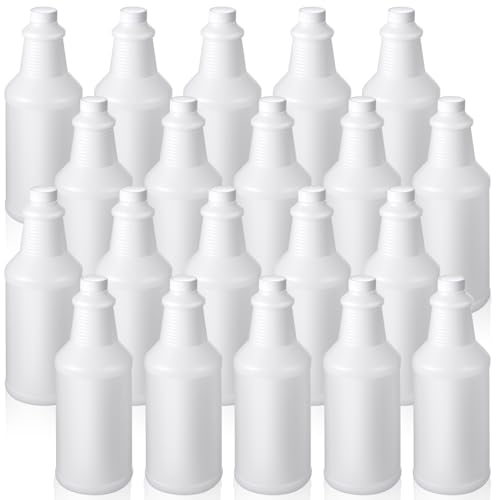
Package Include: the package contains 10 large capacity (32Oz/ about 946ml) spray bottles for home cleaning, garden watering, car grooming, pet care, DIY solution mixing and other scenarios, is the ideal container for cleaning, alcohol, disinfectant, plant nutrition solution; Tips: only bottles, spray nozzles not include
Emergency Preparedness and Response Plans
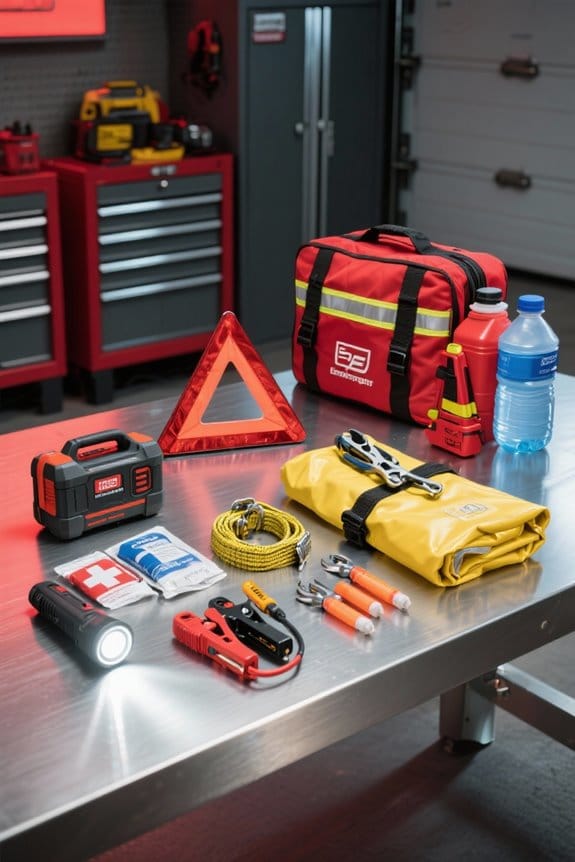
In any workspace where chemicals are handled, being prepared for emergencies is just as important as preventing cross-contamination. An effective emergency preparedness plan includes clear response plans for chemical spills, leaks, or exposure incidents. Employees must be trained on their specific roles during these emergencies. Safety equipment, such as eyewash stations and spill kits, should be easily accessible and regularly maintained. Conducting training sessions helps everyone know how to use this protective equipment correctly. Posting evacuation routes and emergency contact numbers in visible areas enhances safety awareness. Finally, reviewing and updating response plans regularly guarantees they remain effective with any new workplace chemicals. This ongoing commitment fosters a safer environment and promotes effective contamination avoidance. Including compact emergency kits in the workspace ensures readiness for various emergencies, similar to how they are utilized in vehicles.
Recommended Products

Universal spill kit provides two absorbent socks, 15 absorbent pads, an LDPE disposal bag, and a pail for use in the containment, cleanup, and disposal of water-based and oil-based nonacid liquids on land; 5-gallon maximum absorption capacity

Oil Spill Kit: Be prepared for daily drips, leaks and accidental spills in your garage, workshop or truck. This universal spill kit absorbs oil, coolant, water and non-aggressive chemicals for fast, safe cleanup
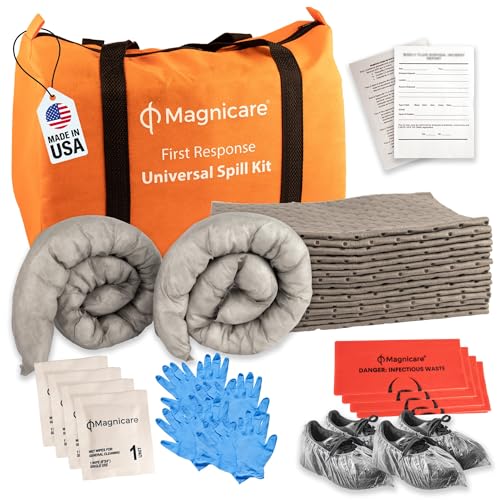
Universal Spill Coverage – Industrial-grade universal absorbent system absorbs oil, water, coolants, solvents, and most non-aggressive fluids; ideal for forklifts, manufacturing floors, loading docks, marine, and more.
Building a Culture of Safety in the Workplace
Building a strong culture of safety in the workplace is crucial for anyone who handles chemicals. This involves regular training that covers safe handling and proper storage of chemicals. Employees must learn to use personal protective equipment (PPE) designed to protect against potential hazards. Open communication is imperative; team members should feel safe reporting unsafe practices or the risk of spills. Regular audits and evaluations reinforce this culture of safety. They not only guarantee compliance with legal regulations but also keep everyone engaged and accountable. By fostering a proactive environment, employees become more responsible when dealing with chemical reagents, helping to prevent contamination and enhancing overall workplace morale. Safety isn’t just a task; it’s a shared commitment.
Frequently Asked Questions
What Are the PPE for Chemical Safety?
Personal protective equipment for chemical safety includes specific glove types, eye protection, skin barriers, protective clothing, and respirators according to mask materials and respirator requirements, alongside first aid training and hazard communication to mitigate chemical spills.
What Are the Safety Precautions for Chemical Storage?
Effective chemical storage requires adherence to compatibility charts, proper labeling, secure containers, temperature control, adequate ventilation, and implemented fire safety measures. Regular inventory tracking, shelf life management, access restrictions, and spill response kits guarantee safety and compliance.
What Are the OSHA Guidelines for Chemical Storage?
OSHA guidelines for chemical storage include adherence to chemical labeling regulations, understanding hazardous material classifications, using appropriate storage containers, ensuring proper ventilation, implementing secondary containment systems, and maintaining accessible safety data sheets alongside emergency response plans.
What Are the Five Rules for Chemical Storage?
Chemical storage is like tending a garden: label containers, monitor ideal temperatures, segregate chemicals, heed flammable precautions, establish spill procedures, track expiration dates, maintain inventory, guarantee ventilation, and conduct regular safety audits for a thriving environment.