As an Amazon Associate, we earn from qualifying purchases. Some links on this site are affiliate links at no extra cost to you. Our recommendations are based on thorough research and editorial judgment.

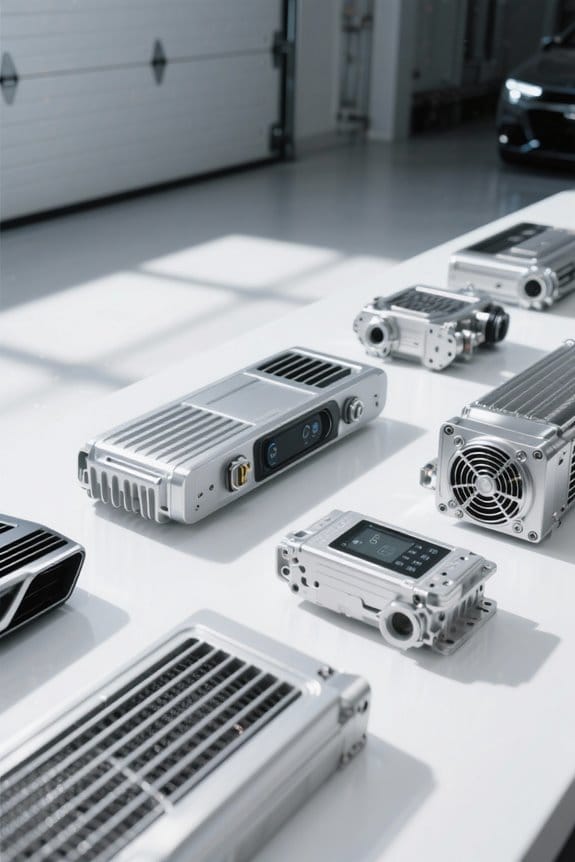
Heat, Cooling, And Ventilation: Balancing Comfort And Battery Draw

HVAC systems in electric vehicles (EVs) can greatly affect both comfort and battery life. Heating draws more power than cooling, sometimes cutting the range by 50%. For example, using a heat pump can be 200-350% more efficient than traditional resistive heaters. To save energy, consider preconditioning while plugged in and using smart climate controls. Seat heaters can also help maintain warmth without excessive energy use. Curious about innovative technologies and strategies that can enhance efficiency?
Key Takeaways
- Efficient heat pumps are more effective than resistive heaters, saving battery life while providing both heating and cooling.
- Preconditioning EVs while plugged in helps adjust temperature without using battery power, preserving driving range.
- Utilizing smart climate zone controls focuses energy use on occupied areas, reducing unnecessary HVAC energy draw.
- Cabin comfort can be achieved with seat heaters as an alternative, minimizing energy consumption compared to full HVAC systems.
- Regular maintenance, including timely air filter replacements, ensures optimal HVAC performance and efficiency in energy use.
Understanding HVAC Energy Consumption in EVs
You may be interested

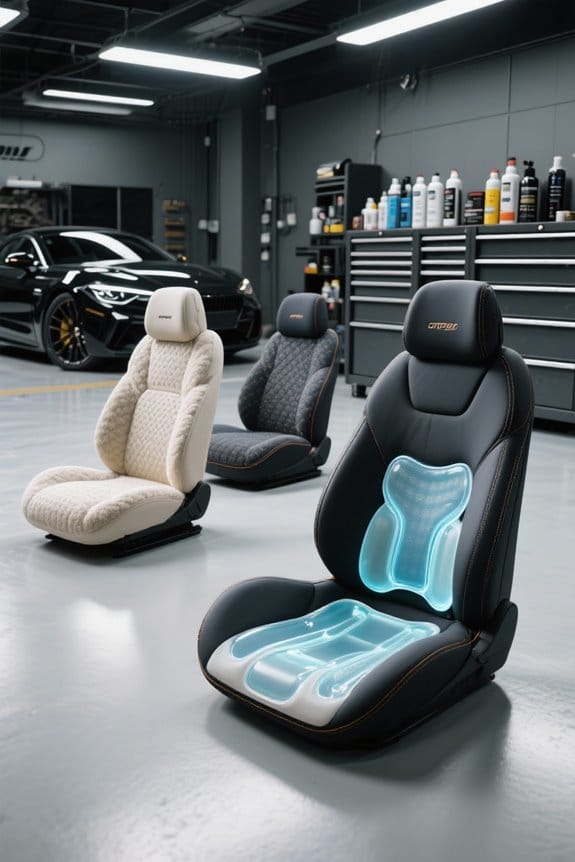

Have you ever wondered how much energy your electric vehicle (EV) really uses for heating and cooling? The HVAC system in an EV can markedly impact battery consumption. Heating typically draws more power than cooling. For instance, resistive heaters can consume 4-8 kW, cutting range by up to 50% in cold weather. On the flip side, cooling is less demanding but still notable. It can account for 8-19% of total energy use. To enhance thermal efficiency, heat pumps are a fantastic solution. They move heat rather than generate it, improving energy management by producing up to four times the heat per unit of electricity. Understanding these dynamics helps EV owners optimize their vehicle’s performance and comfort. Incorporating activated carbon filters can further improve HVAC efficiency by maintaining cleaner air quality within the vehicle.
Recommended Products
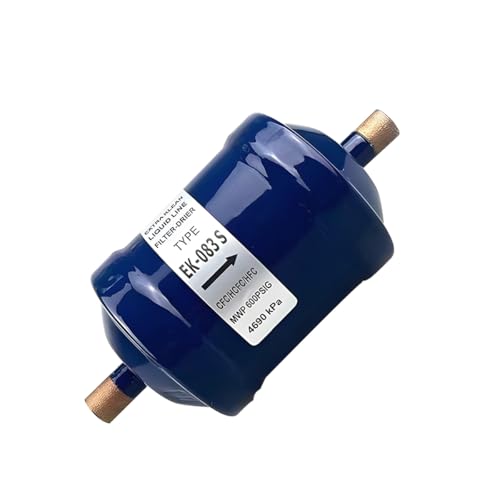
High Grade Material: This car liquid line filter dryer is made of steel, which has high strength and can withstand high pressure without easily deforming or rupturing. Moreover, it also has good toughness, maintaining structural integrity even under complex vibration and impact conditions. What's more, this material has excellent wear resistance, ensuring the product's service life by withstanding friction wear in the line during long-term use.

Compatibility: This fuel pump strainer filter Compatible with Kawasaki Teryx 750 2008-2016, Compatible with Teryx 800 2008-2016, Kawasaki Mule 4000/4010 2009-2016, Brute Force 750 2008-2016.
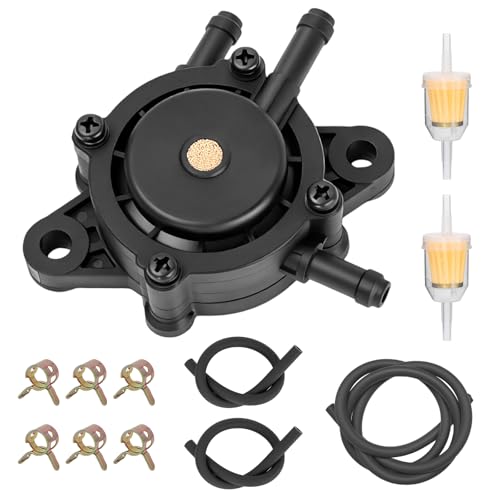
OEM Replacement: This fuel pump kit directly replaces OEM numbers including 808492, 808656, 808281, 491922, 691034, and 692313. This fuel pump is built to OEM standards and works great as a replacement for a failed one
The Role of Ambient Temperature in Energy Use
When evaluating the energy efficiency of electric vehicles (EVs), ambient temperature plays an essential role. Research shows that ambient temperature impacts energy consumption variations considerably. For instance, at 25°C, energy use is lower, but doubling that temperature increases consumption by about 35% per kilometer in electric two-wheelers. Driving ranges fluctuate, with cold temperatures reducing range by 2% and extremely hot conditions potentially improving it by 2%. However, both extremes can negatively affect battery performance. To maintain comfort in cold weather, energy for heating can skyrocket, increasing total energy use by up to 100%. These variations emphasize how crucial it is to assess ambient temperature when optimizing EV efficiency and battery life. Additionally, using compact design air purifiers, like the Yakry Compact, can minimize energy draw while maintaining air quality inside EVs, aligning with efficient energy use strategies.
Comparing HVAC Technologies: Heat Pumps vs. Resistance Heaters
How do heat pumps stack up against electric resistance heaters? Heat pumps shine with impressive efficiency, often moving 200-350% more heat energy than they consume. This means significant electricity savings, especially in moderate climates. Heat pump advantages include reduced operational costs and the ability to provide both heating and cooling. In contrast, resistance heaters, while 100% efficient at generating heat, face resistance heater drawbacks like high energy costs and inefficiency due to electricity generation losses. Resistance heating is ideal for small zones or short-term needs, but it can’t compete with the overall efficiency of heat pumps. Plus, heat pumps have a longer lifespan and require less maintenance, making them the smarter choice for homeowners focused on long-term comfort and costs. Durable and shock-resistant designs in HVAC technology ensure long-term reliability under various conditions.
Recommended Products

35+5 uF ±6% 370/440 VAC CBB65 dual run start capacitor replacement for BOTH 370 & 440 Volt capacitors.


Before buying, please confirm whether the product is compatible with your system, and check the size of the product to see if it can cover the traces left on the wall of the old thermostat.
Strategies to Minimize HVAC Energy Draw

Finding ways to minimize HVAC energy draw can lead to noticeable savings and a more comfortable environment. One effective method is preconditioning while plugged in. This feature allows drivers to adjust cabin temperatures using grid power before driving, conserving battery charge.
Another approach is using smart climate zone controls. These systems target temperature adjustments only to occupied areas, cutting down on energy waste. Additionally, eco-modes adapt HVAC performance to optimize energy efficiency, potentially reducing consumption by 20%.
Integrating solar panels supports auxiliary HVAC functions without heavily draining the main battery. Using materials that enhance insulation and passive cooling techniques further reduces reliance on active systems. High-quality nylon provides superior durability and resistance to breaking or cracking, making it an excellent material for components that enhance insulation and passive cooling. Together, these strategies create a more efficient and enjoyable driving experience with smart climate management.
The Impact of HVAC on EV Range in Cold Weather

As temperatures drop, the impact of HVAC on electric vehicle (EV) range becomes a pressing concern. In winter, using HVAC systems for cabin comfort can reduce an EV’s range by 41% at around 20°F. This significant energy draw comes from the need to heat the cabin directly, unlike gas vehicles that use waste heat. Cold temperatures also slow battery chemistry, lowering available power. Consequently, drivers may need to charge their vehicles more frequently. To offset some of this range loss, consider using seat heaters instead of the full HVAC system. Ultimately, understanding temperature effects on HVAC efficiency can help maintain winter range and keep your rides comfortable. Remember, every degree counts when it comes to EV performance in the cold! Regular air filter replacements are recommended every 12,000 miles or annually to ensure optimal vehicle performance and efficiency.
Recommended Products

Full Back & Seat Vibration Massage: Experience soothing relaxation with 6 powerful vibration massage motors targeting the upper back, lower back, hips and thighs. Choose from 6 massage modes to customize your comfort. (This is a vibration massage cushion, NOT a shiatsu kneading massager.)

Ultimate Plush Comfort Cover: Indulge in luxurious softness with 99.9% Short Plush Fabric. Featuring an Extra-Thick material, this Soft massage chair pad offers a soothing massage experience throughout your back and thighs.
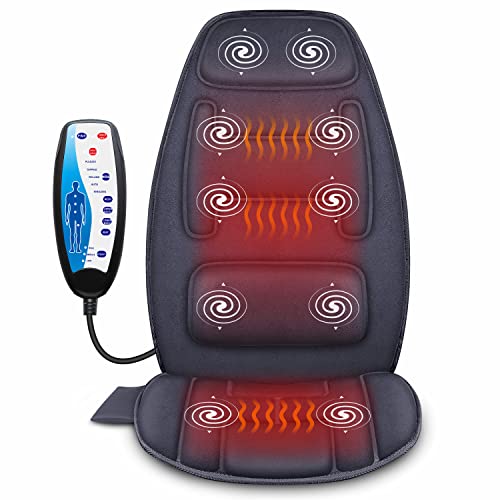
Note: This massage chair pad is a vibrating massager only, not a shiatsu massager with roller balls. Extra Memory Foam Support Pad – The massage seat cushion is designed with soft and comfortable memory foam in neck rest and lumbar support pads, provides you with superior comfort and great pressure relief.
Trends in the HVAC Market and Component Innovations
Electric vehicles are changing the way people think about heating and cooling. The HVAC market is booming, especially for electric vehicles. Projections show that the EV Smart HVAC system market could hit USD 6.36 billion by 2026. This growth is fueled by innovations aimed at energy efficiency.
Key improvements include:
- Next-generation heat pumps that harvest waste heat from components.
- Smart valves to enhance performance while reducing weight.
- Lightweight materials, like polymers, for better aerodynamics in ducts.
- AI-driven climate control systems for personalized comfort.
In addition to these innovations, the integration of real-time monitoring systems for battery health and performance ensures that HVAC components operate efficiently without compromising battery life. As more consumers seek eco-friendly options, these market innovations make a splash. With regulations tightening, expect these trends to influence future automotive designs greatly.
Recommended Products

Electric Water Transfer Pump: Volts/Frequency:115V/60 HZ; Power:1/10 HP; Max.Flow Rate:330 GPH; Discharge:3/4 in.GHT; Max.Suction Lift:6 feet; Max.Discharge Head:40 feet; Discharge Port:3/4 Inch; Suction Port:3/4 Inch. This is non submersible transfer pump, so do not get the motor wet.


Heavy-Duty Construction: High power plug features hardness, high resistance, arc resistance, and heat resistance for reliable performance
Case Studies: Real-World Examples of HVAC Efficiency
When exploring real-world examples of HVAC efficiency in electric vehicles, the impact of weather is a crucial factor. For instance, the Chevrolet Bolt EV experiences a staggering 248% increase in energy use during winter. Its range drops from 264 miles to just 176 miles without a heat pump—a 33% decrease. Similarly, the Nissan Leaf shows a 116% energy rise at -7°C, deeply affecting battery draw. Meanwhile, the Tesla Model 3‘s powertrain heating system boosts consumption by 244% in similar conditions, emphasizing the significance of thermal management. Heat pumps emerge as champions; they can recover 1.1% to 12.8% of range. In cold weather, they outperform resistive heaters, achieving better energy efficiency and minimizing range loss to 10–14%. Installing high-quality polyester carpet dashboard covers can reduce heat buildup, thus contributing to a more comfortable driving experience.
Future Directions for HVAC Systems in Electric Vehicles
What will the future hold for HVAC systems in electric vehicles (EVs)? The market is set to expand considerably, projected to reach $18 billion by 2033. This growth is fueled by stricter emission regulations and a rise in EV adoption. Future HVAC systems will likely focus on smart integration, allowing for real-time energy management. Key advancements in refrigerants will also play an essential role. Manufacturers are shifting to options with lower global warming potential, complying with upcoming regulations. Heat pump technology is improving, enhancing efficiency in both heating and cooling. By optimizing cabin comfort, these innovations will guarantee that EVs remain comfortable while using less energy, striking a critical balance between comfort and battery efficiency. Dual-slot designs in fuse taps ensure safe integration of electrical circuits in vehicles, which can support the enhanced functionalities of future HVAC systems.
Frequently Asked Questions
How Does Cabin Insulation Affect HVAC Energy Efficiency?
Cabin insulation acts as a protective shell, safeguarding thermal barriers from external elements. Effective insulation materials greatly enhance HVAC energy efficiency, reducing energy consumption while maintaining comfortable indoor climates against fluctuating temperatures, ultimately benefiting both users and the environment.
What Is the Role of Air Quality in HVAC Systems?
Air quality in HVAC systems plays an essential role by controlling indoor pollutants. Adequate ventilation rates are crucial to guarantee a continuous supply of fresh air, reducing contamination and promoting healthier indoor environments for occupants.
Can Solar Power Assist HVAC Systems in EVS?
Solar power can dramatically assist HVAC systems in EVs, as solar panel integration considerably reduces energy consumption. This sustainable approach enhances battery longevity and driving range, contributing to overall vehicle efficiency and environmental benefit.
What Maintenance Is Required for Effective HVAC Performance?
Effective HVAC performance requires regular filter replacement and duct cleaning, along with seasonal inspections, lubrication of moving components, and cleaning of coils. Maintaining these practices guarantees ideal airflow and system efficiency throughout the year.
How Do Passenger Preferences Influence HVAC Design in EVS?
Passenger preferences greatly influence EV HVAC design, as manufacturers integrate sophisticated climate control systems based on passenger feedback. This includes multi-zone capabilities, advanced filtration, and intelligent controls to meet diverse comfort needs and improve energy efficiency.