As an Amazon Associate, we earn from qualifying purchases. Some links on this site are affiliate links at no extra cost to you. Our recommendations are based on thorough research and editorial judgment.

Brake Dust 101: Why It Sticks And How To Minimize Buildup

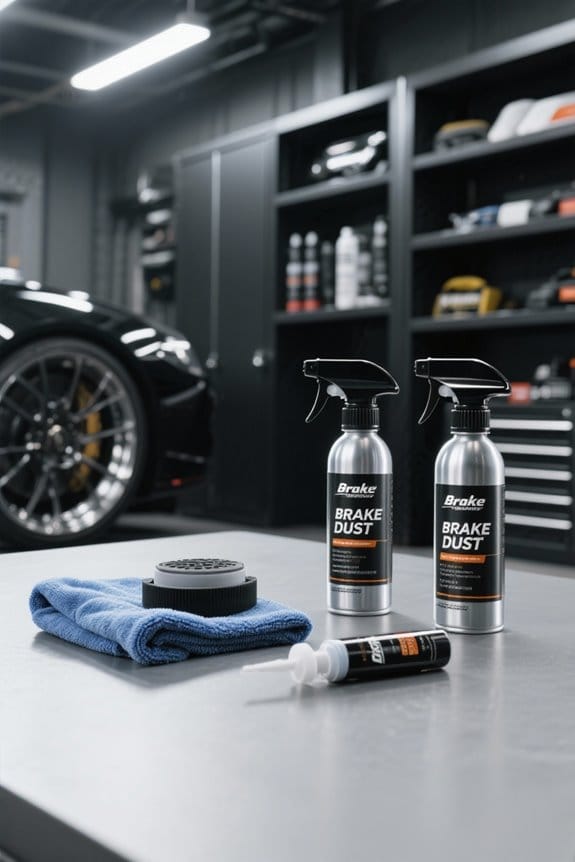
Brake dust forms when brake pads grind against rotors. This dust can stick due to its composition, mainly iron, copper, and other metals. Heat and frequent braking make the problem worse. To minimize buildup, use low-dust brake pads and adopt smoother braking habits. Clean brakes regularly and consider wheel coatings for easy maintenance. Not only does brake dust affect your vehicle’s performance, but it also poses health risks. Discover more about managing brake dust effectively.
Key Takeaways
- Brake dust primarily sticks due to the adhesion of particles from brake pad abrasion against the rotors during braking.
- Using low dust brake pads, such as premium ceramic varieties, significantly reduces the amount of brake dust generated.
- Anticipating stops and employing smooth braking techniques can minimize friction, heat generation, and subsequent dust buildup.
- Regular inspection and cleaning of brake components like calipers and rotors can prevent excessive dust accumulation over time.
- Applying protective wheel coatings helps repel brake dust and simplifies cleaning efforts, reducing the frequency of buildup.
Understanding the Composition of Brake Dust
You may be interested

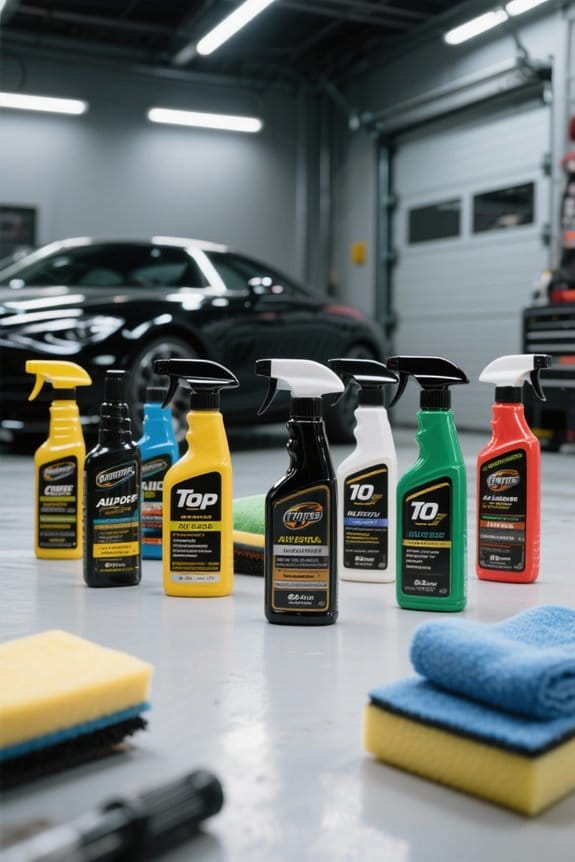

When it comes to understanding brake dust, it’s helpful to first look at its composition. Brake dust primarily consists of iron, a result of brake disc abrasion. In many brake pad formulations, copper is commonly present, especially in semi-metallic and ceramic types. Other metal sources include zinc, aluminum, and manganese. The specific makeup can change depending on the brake pad type and driving conditions. Regular usage of brake dust removers is recommended for maintaining cleanliness while understanding precautions necessary for product handling. For a detailed breakdown of brake dust, composition analysis is essential. For example, organic pads use fibers and rubber, while ceramic pads incorporate ceramic fibers. This variation means that each type produces different amounts and compositions of dust. Understanding these details can help you choose the right brake pads and manage dust build-up effectively.
How Brake Dust Forms and Accumulates
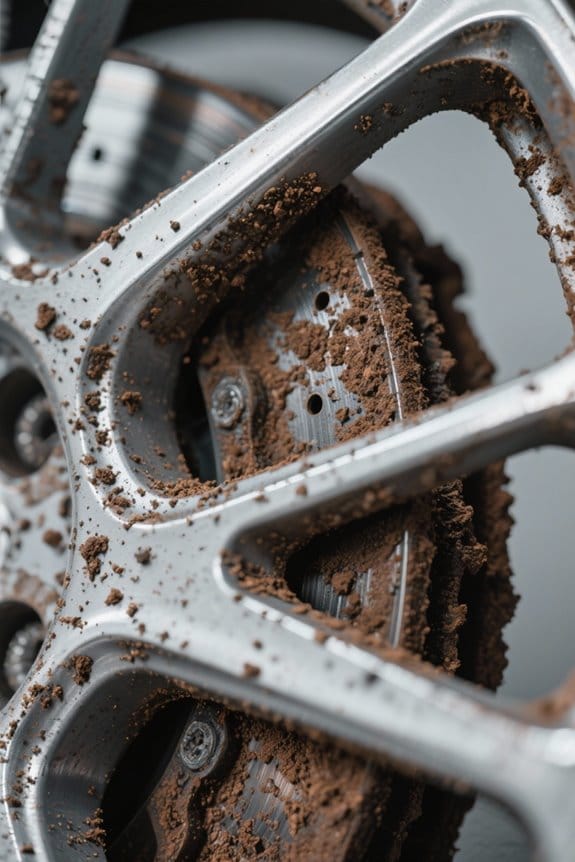
To understand how brake dust forms and accumulates, it’s essential to look at the mechanics behind braking. When brakes are applied, brake pads press against the rotors, causing friction. This friction generates wear particles that lead to brake dust. The amount of dust produced depends on braking intensity and frequency. Heavy braking generates more heat and as a result increases particle generation. As particles wear away, they accumulate on brake components and surrounding areas. Dust buildup is more prominent with city driving, where frequent stops occur. Dust can also enter from environmental sources, like road debris. Factors such as vehicle weight and pad materials influence how much dust is created and how it adheres to surfaces. Regular safety checks using brake fluid testers can help identify potential issues that contribute to brake dust accumulation.
Recommended Products

SIGNATURE SERIES WHEEL CLEANER (CLD_203_16SW) – High-performance car wheel cleaner formula breaks down heavy brake dust, road grime, and oxidation from wheels, calipers, and more

Safe Wheel Cleaning (CLD_998_1602) - Gentle, pH-balanced Chemical Guys rim cleaner formula safely cleans chrome, aluminum, painted, powder-coated, and custom wheels without harsh chemicals that can damage finishes or coatings

Keep your wheels and tires dirt-free with Armor All Extreme Wheel and Tire Cleaner. This tire and wheel cleaner is powerful enough to clean even the dirtiest wheels, while remaining gentle and safe enough to be used on all factory and aftermarket finishes. Specially formulated deep-cleansing agents penetrate into hard-to-reach areas, dislodging stubborn dirt, grease, tar and brake dust. The result is beautifully clean and shiny-looking wheels and tires. To use, first ensure the wheels and tires are cool to the touch. Then, saturate the wheels and tires with this wheel cleaning tool and let it soak for 30 seconds to remove grease, grime and brake dust. Rinse the wheels and tires, and dry with a soft cloth to prevent water spots. In addition to wheel and tire cleaner, Armor All also makes car tire cleaner spray, tire spray, car valeting accessories, and other car cleaning products to add to your car wheel cleaning kit. Give your vehicle the finish it deserves with Armor All.
The Impact of Brake Dust on Vehicle Performance
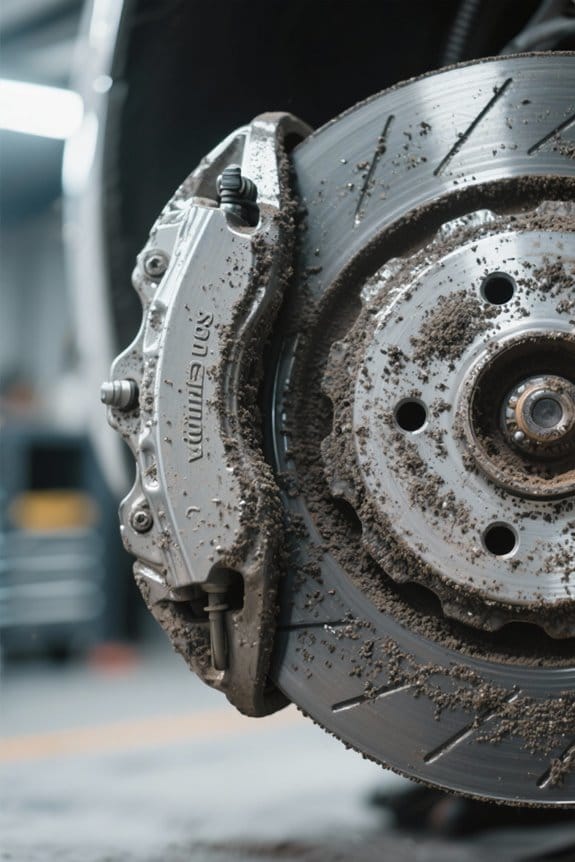
Brake dust can considerably affect vehicle performance in various ways. Excessive buildup reduces braking efficiency by interfering with the pad-to-rotor contact. This can create unwanted noise and vibrations during stops. As brake dust acts like an abrasive layer, it contributes to premature wear of brake parts. This wear can lead to uneven braking, increasing stopping distances and raising the risk of accidents. Dirty brakes make vehicles feel shaky or unstable, which compromises vehicle safety. Regular maintenance to clear brake dust is crucial to maintain ideal brake function. This not only enhances braking efficiency but also guarantees the driver has better control of their vehicle. In short, neglecting brake dust can lead to a dangerous driving experience. Investing in durable materials like PU leather for essential vehicle accessories can also help protect against environmental factors that may exacerbate the buildup of brake dust.
Recommended Products
![CRC Brakleen 1003695 Brake Cleaner Spray Non-Chlorinated Low VOC, 14 oz, [1 Pack]](https://m.media-amazon.com/images/I/41PX+fjKgtL._SL500_.jpg)
Country Of Origin : China

Powerful Brake Dust Removal: Cuts through tough brake dust, grime, and road contaminants with ease. This high-performance cleaner is designed to lift away embedded dirt and iron buildup, restoring your wheels to a factory-fresh look
POWERFUL CLEANING: Removes embedded iron particles, brake dust, and road grime that harm your car finish extending the life of paint and providing a deeper clean that car wash cannot tackle alone
Strategies for Reducing Brake Dust Production
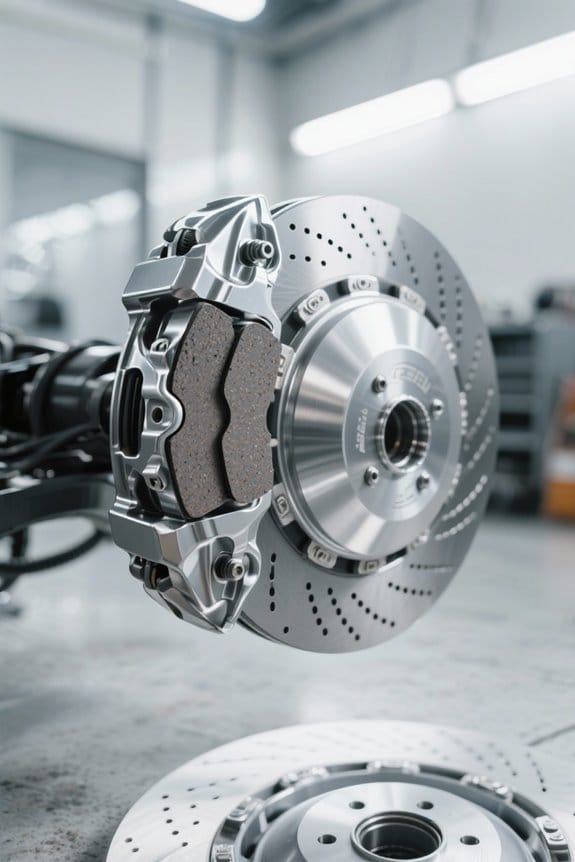
Maintaining a clean and efficient braking system is essential, especially if one wants to avoid the downsides of brake dust. To reduce dust production, consider switching to low dust pads, like premium ceramic varieties. These pads are designed to minimize particulate emissions while still providing strong stopping power. Adapting braking techniques also helps. Smooth, gradual braking reduces friction and heat, leading to less dust buildup. Anticipating stops and avoiding aggressive braking increases pad life, resulting in less brake dust. Additionally, maintaining clean brake components is key. Regularly inspect and clean calipers and rotors to prevent dust accumulation. Finally, applying wheel coatings can repel brake dust, making cleaning faster and easier. With these strategies, drivers can enjoy cleaner wheels and a more efficient braking system. Regular air filter replacements are recommended every 12,000 miles or annually to maintain optimal vehicle performance and air quality.
Recommended Products

PLEASE CONFIRM YOUR FITMENT: Using the Amazon Confirmed Fit bar at the top of the page or check the Product Description to confirm your vehicle fitment

PLEASE CONFIRM YOUR FITMENT: Using the Amazon Confirmed Fit bar at the top of the page or check the Product Description to confirm your vehicle fitment

[THE BOSCH ADVANTAGE] - The Bosch QuietCast line draws on over 77 years of OE braking excellence; promising the highest quality performance, industry-leading strength and durability, and exclusive innovations including Molded Shim Technology (MST)
Health and Environmental Implications of Brake Dust

While many may overlook brake dust, it’s essential to understand its important health and environmental implications. Brake dust poses serious health risks, particularly for lung health. Studies show it can lead to respiratory diseases, greatly inflaming lung cells. The toxicity of metal components, particularly copper, aggravates conditions like asthma. Additionally, brake dust contributes to environmental pollution, as non-exhaust emissions account for a large share of airborne particulate matter. Traffic-heavy areas, often in lower-income neighborhoods, experience heightened exposure. This raises significant environmental justice issues. Using biodegradable options for car washing can help reduce pollution impact and promote responsible vehicle maintenance.
Innovative Solutions in Brake Dust Management
Innovative solutions are emerging to tackle the persistent issue of brake dust management. One remarkable development involves filter technologies that capture tiny particles right at the brake caliper. These filters can reduce dust emissions by up to 80%, enhancing air quality in urban areas. In addition, coating innovations are transforming brake components. For instance, tungsten carbide-based coatings make brake rotors tougher and extend their lifespan by 30%. Laser cladding can cut brake dust emissions by as much as 90%. High-quality materials such as silicone rubber and stainless steel are also being used in other automotive components, offering longevity and heat resistance. Together, these advancements address both performance and environmental concerns. By combining these technologies, the future of braking systems looks not only more efficient but also cleaner for our streets. Just think how much better the air could be!
Recommended Products

CLEANS SHOES FAST: This all-in-one shoe cleaning formula quickly removes grime and tough dirt stains in under 10 minutes

🎯 【EFFORTLESS & POWERFUL CLEANING】Say Goodbye to Back-Breaking Scrubbing! Tired of stubborn brake dust and rusted wheel hubs that won't come clean? Our professional-grade wire brushes attach to any standard drill, transforming it into a powerful cleaning tool that blasts through grime in minutes, not hours. Restore your hubs to a like-new finish with minimal effort.

Breaks Down Brake Dust Fast (No Heavy Scrubbing): Tired of wheels that never look fully clean? This 2-step car wheel cleaner kit cuts through stubborn brake dust, road grime, and buildup, loosening dirt so you can rinse away the mess with minimum effort
Frequently Asked Questions
Can Brake Dust Cause Damage to Car Finishes?
Brake dust can indeed cause damage to car finishes. Its abrasive components may lead to scratches, while chemical reactions can degrade the paint if left untreated, underscoring the importance of regular maintenance and protective measures.
How Often Should I Clean Brake Dust From My Vehicle?
Regular brake maintenance frequency suggests cleaning brake dust monthly for most drivers. In harsher conditions, weekly cleaning is recommended. Specialized cleaning products options help guarantee effective removal and protection of wheels from corrosion and buildup.
Does Weather Affect Brake Dust Accumulation?
Weather notably influences brake dust accumulation, much like how rain washes away footprints in the sand. Temperature fluctuations and rain effects can enhance dust adherence, while humidity exacerbates material corrosion, leading to increased buildup over time.
Are There Specific Vehicles More Prone to Brake Dust?
Sports cars and luxury vehicles are typically more prone to brake dust due to their high-performance braking systems and heavier materials. The aggressive driving habits often associated with these vehicles further exacerbate dust production.
What Color Is Typical Brake Dust From Different Brake Pads?
Typical brake dust varies by brake pad materials: semi-metallic dust is dark gray to black, ceramic dust is light-colored, organic dust often appears grayish or brownish, and hybrid dust ranges between light brown and dark gray.