As an Amazon Associate, we earn from qualifying purchases. Some links on this site are affiliate links at no extra cost to you. Our recommendations are based on thorough research and editorial judgment.

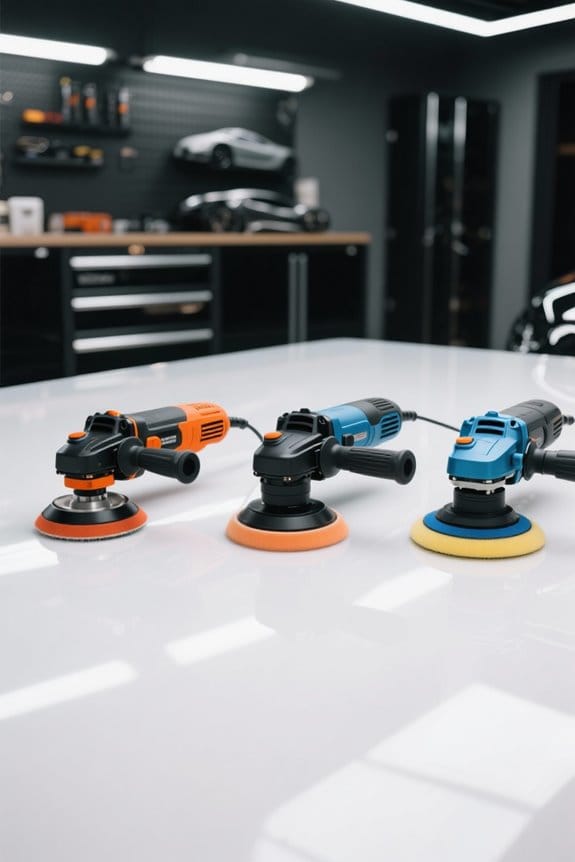
DA vs. Rotary vs. Forced Rotation Polishers: How They Differ

DA, rotary, and forced rotation polishers each have distinct strengths. DA polishers are user-friendly and great for beginners, perfect for light to moderate paint correction. Rotary polishers excel at deep blemishes but require skill to avoid paint damage. Forced rotation polishers combine the best of both, maintaining consistent movement even under pressure. Choosing the right tool depends on your experience and needs. Stick around, and you’ll uncover more tips and techniques for effective polishing!
Key Takeaways
- Motion Mechanism: DA polishers combine circular and wobbling motions, while rotary polishers operate solely in circular motion, and forced rotation polishers ensure consistent backing plate movement.
- User Experience: DA polishers are beginner-friendly with a gentler learning curve, while rotary polishers require more skill and practice to avoid potential paint damage.
- Heat Generation: Rotary polishers generate more heat for deep imperfections, whereas DA and forced rotation polishers minimize heat buildup, reducing risk of paint damage.
- Effectiveness: DA polishers are suitable for light to moderate corrections, rotary polishers excel at tackling stubborn blemishes, and forced rotation polishers cover larger areas efficiently.
- Safety: DA and forced rotation polishers offer safer operation with less risk of holograms or burns, making them more forgiving for inexperienced users.
Understanding Different Types of Polishers
You may be interested
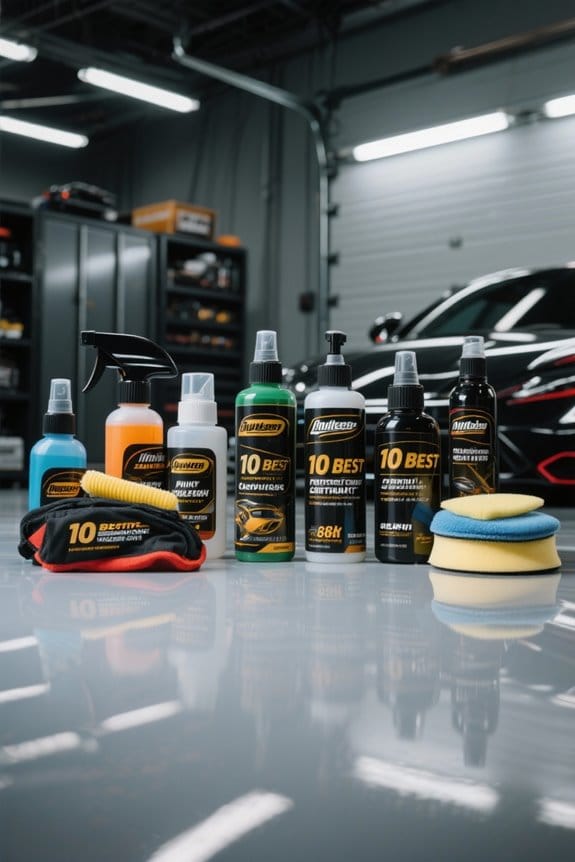

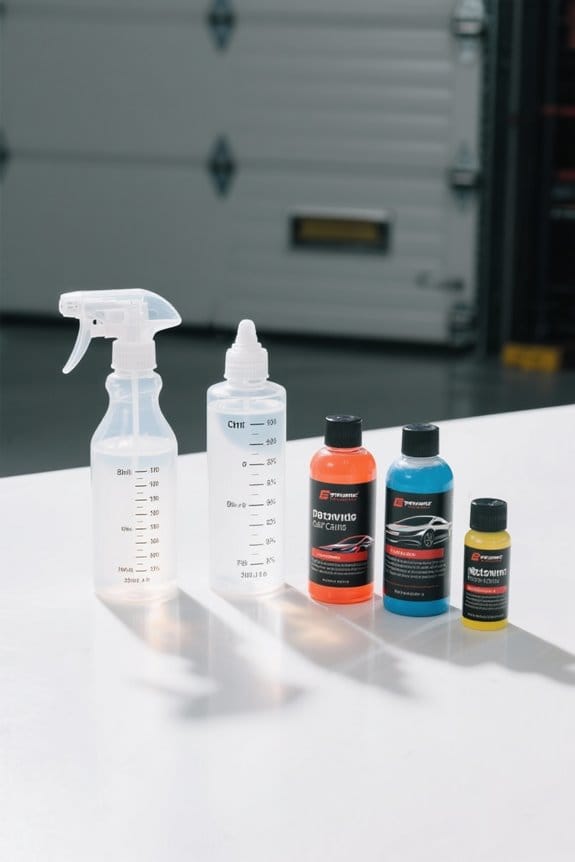
When diving into the world of automotive polishers, understanding the different types is crucial. There are three main types: DA, rotary, and forced rotation polishers. DA (Dual Action) polishers combine a circular movement while also wobbling. This design helps prevent overheating, making them ideal for light to moderate paint correction. Rotary polishers only spin in a circular motion, creating more heat. They can tackle deeper paint imperfections but pose a risk of burning through the paint if misused. Forced rotation polishers guarantee the backing plate rotates consistently, even under pressure. This feature makes them efficient for tough jobs. Griots Garage Polisher is known for providing smooth results, which is a hallmark of high-quality DA polishers.
Recommended Products
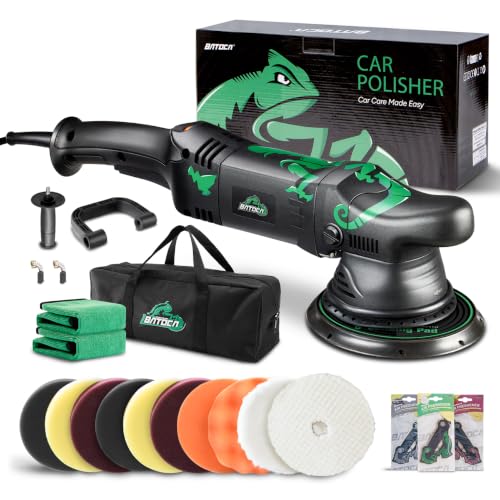
Long-life Motor & Constant Power Supply: Pure copper wire with high quality motor, durable and strong power. Built-in carbon brush structure safety, long service life, will not encounter the orbital buffer or polishing machine doesn't work half the work. Perfect for polishing and removing swirls, scratches, and defects from all painted vehicles, make your car look brand new everyday.
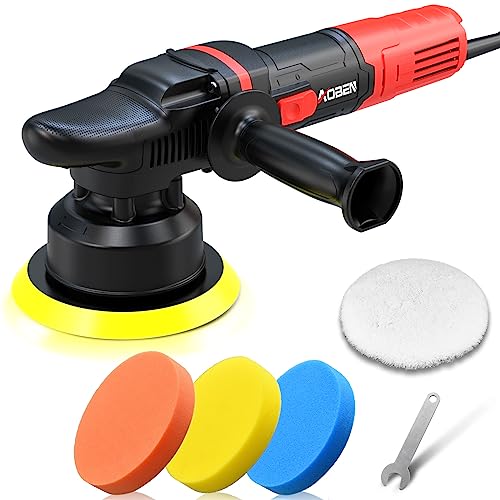
🚗【6 SPEED ELECTRIC BUFFER 】120V,60Hz ,700W,6-Inch polisher; dual action Random orbital copper motion for optimal movement to achieve a swirl-free finish 6 different Speed ,Can be set different speed from 1000 to 4500 rpm for different materials and applications.for Car Sanding, Polishing, Waxing, Sealing Glaze,Low speed for waxing and buffing; Medium speed for polishing and cleaning while high speed for removing paint defects and oxidation.It is normal for the machine to stop when excessive pressure is applied when it is in speed 1-3. If more power is needed, please restart and select a higher speed.
Benefits of Dual Action Polishers
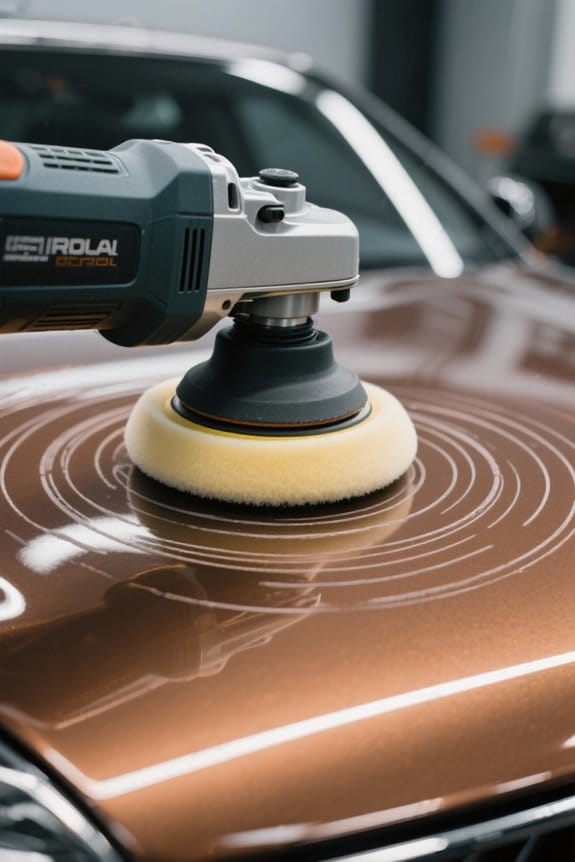
Dual action polishers (DAs) stand out as user-friendly tools, perfect for both novices and experienced enthusiasts. These dual action polishers combine circular motion with a wobble, minimizing heat and reducing the risk of paint damage. They excel at removing light to moderate imperfections, making them ideal for those who want to maintain their vehicle’s appearance without professional help. Many models are random orbital machines, ensuring a safe experience for amateur users. Some DAs even include forced rotation features to enhance performance under pressure. With long throw models offering improved motion, users can achieve better results faster. Overall, dual action polishers provide an effective and approachable choice for anyone looking to polish their car’s exterior safely. To achieve a flawless finish in your detailing projects, pairing dual action polishers with high-quality foam applicator pads can further enhance the quality of the results.
Recommended Products
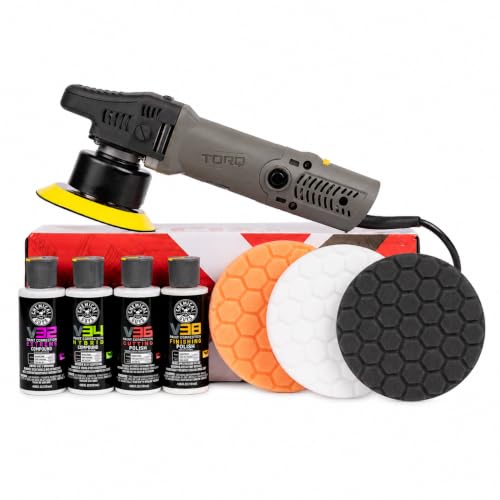
ALL-IN-ONE POLISHING KIT (BUF503X) – Favored by detailers and DIYers, this complete 9-piece kit includes the TORQX Chemical Guys polisher, pads, polishes, and compounds to restore gloss and remove imperfections on any vehicle
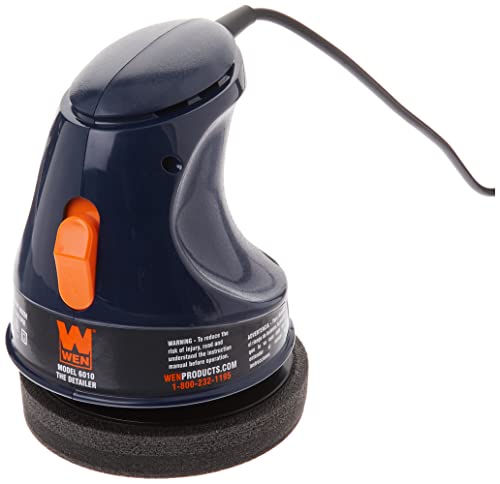
High performance 120 V, 0.5 amp permanent magnet motor
The Power of Rotary Polishers
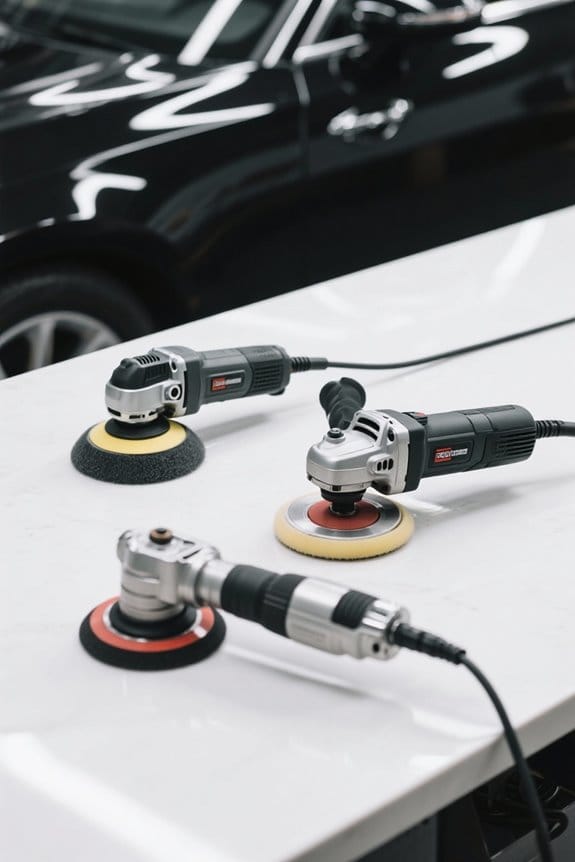
Rotary polishers pack a punch when it comes to finishing cars. These powerful tools spin on a single axis, allowing for effective removal of stubborn paint blemishes. Unlike dual action polishers, rotary polishers generate heat and friction, making them ideal for fixing tough imperfections. With speeds ranging from 200 to 3500 RPM, they excel in achieving a high-gloss finish. This feature is particularly impressive when tackling non-uniform sanding marks and oxidation. However, using a rotary polisher requires proficiency. Improper technique might lead to burning through paint, so practice is essential. These machines are especially effective in tight areas and body lines, helping you achieve a glass-like finish on your car’s surface. Rotary polishers are suitable for both enthusiasts and professionals, offering high-quality results for those who master their use.
Recommended Products

【High Performance】: LDHTHOPI buffer polisher is equipped with a high-performance 1600W motor, ensuring efficient and durable operation. The powerful motor delivers consistent performance, making it capable of handling tough tasks like removing oxidation, scratches, and stains from car surfaces.

1600W Powerful Motor: Equipped with an upgraded 1600W motor, this buffer polisher offers a smooth and quiet operation. Whether it's the oxidation layer, scratches, or stains on the car body surface, or restoring the car's luster, this car buffer can handle them all with ease, making your car shine with a brand-new radiance in a short time. Besides, a newly built-in constant-power control board enables the car polishers and buffers to work for extended hours without the fear of overheating.

1600W Powerful Motor: Featured with an upgraded 1600W motor, this buffer polisher runs smoothly and quietly. It effortlessly removes surface oxidation, fine scratches and stains, while restoring your car’s original gloss and bringing back a flawless, brand-new shine in no time. Built-in constant-power control board enables the car buffer to work for extended hours without the fear of overheating.
What Is Forced Rotation and Its Advantages?
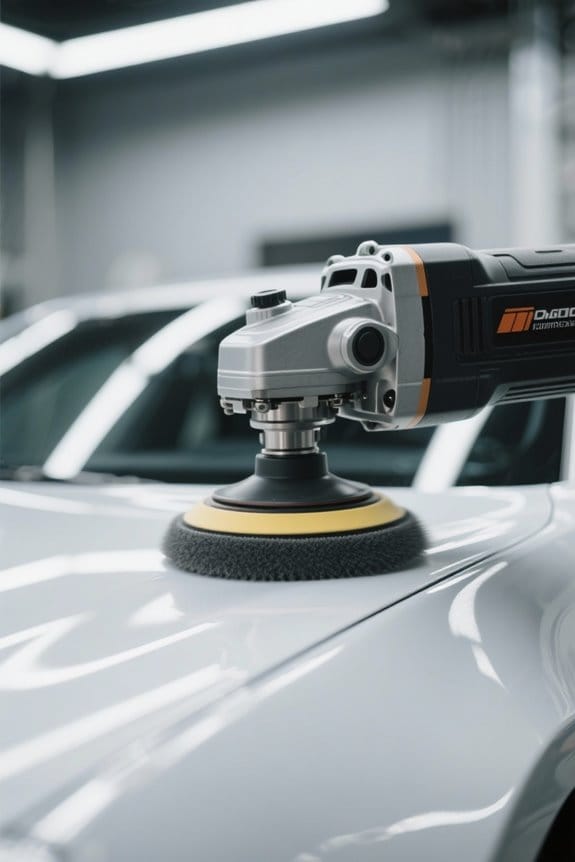
Forced rotation is a game-changer for car detailers and enthusiasts alike. This technology guarantees that the backing plate of forced rotation polishers spins consistently, preventing bogging down even under pressure. This consistent power delivery allows users to effectively tackle heavy imperfections, especially on tough paint surfaces. Some advantages include:
- Efficiency: Continuous rotation helps cover large flat areas quickly.
- Pressure: Users can apply greater pressure without damaging the paint, making corrections safer.
- Stability: It mitigates stalling risks when polishing complex contours.
For serious car care, these features allow for a more precise and effective polishing experience. With forced rotation polishers, achieving a flawless finish is not just easier; it’s smarter. Additionally, using non-abrasive properties in detailing tools can prevent scratching, ensuring safe handling of vehicle surfaces.
Recommended Products

【Forced Dual Action Tool】Special forced dual action power system tool, combine traditional rotary pattern and dual action orbit pattern, brings you new updated rotating rail. Efficient for removing heavy and light scratches.

【Cordless & Beginner-Friendly】 This cordless buffer features a pure copper brushed motor and random orbital polisher mechanism to deliver smooth, swirl-free results. The cordless polisher eliminates cable clutter, making it ideal for beginners or professionals in car detailing. Paired with a range of accessories, it's perfect for car wax buffer, polishing, cleaning, and scratch removal Please note: This battery system is uniquely designed and is not compatible with DeWalt batteries.

【𝟏𝟔𝟎𝟎𝐖 𝐏𝐨𝐰𝐞𝐫𝐟𝐮𝐥 𝐌𝐨𝐭𝐨𝐫】ZOTA car buffer polisher is equipped with a high-performance 1600W motor,which provides you with unparalleled power support,whether it is oxidation layer,scratches or stains on the surface of the body,or restoring the body shine. The car polisher is equipped with a full copper wire motor, which has a long service life, ensuring efficient and durable operation.
Long Throw Polishers: The New Wave in Dual Action Technology
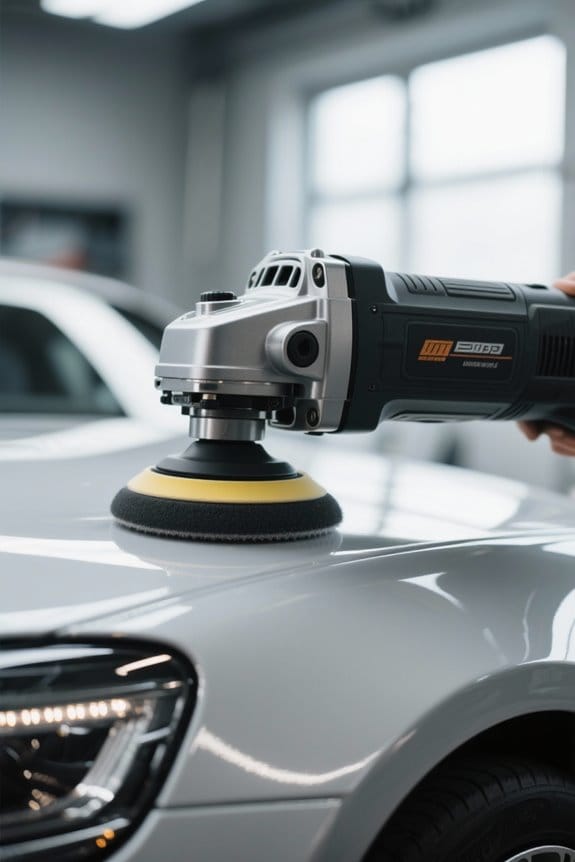
As car enthusiasts seek better ways to care for their vehicles, long throw polishers have emerged as a popular choice. These dual action polishers offer a unique backing plate movement distance, ranging from 12mm to 21mm. This is a significant increase compared to traditional models, which typically have 6-8mm throws.
Brands like Rupes lead the market, providing strong correction power while keeping the risk of damaging the clear coat low. Detailing enthusiasts appreciate how these tools efficiently remove paint defects quickly and effectively. Long throw polishers balance cutting power and safety, making them suitable for various paint surfaces. Their versatility appeals to both hobbyists and professionals who encounter fewer deep imperfections. In short, these polishers represent a practical advancement in vehicle care. For those looking to maximize defect removal capability, choosing the right polishing compound is crucial.
Choosing the Right Polisher for Your Needs
When it comes to choosing the right polisher, what factors should be considered? First, identify your needs. For those focused on light scratches, DA polishers are perfect. They are user-friendly and minimize the risk of paint damage. If you have serious blemishes, rotary polishers are your best bet. They excel at correcting deep imperfections but require some skill to avoid burning the paint. For heavy corrections on tough surfaces, consider forced rotation polishers. They maintain speed under pressure, ensuring consistent results. When selecting tools, ergonomic grips are essential for reducing user fatigue and improving handling during prolonged use.
Recommended Products

【Non-Stop Power with 2x 21V Batteries】--- Say goodbye to cord tangles and "battery anxiety." This cordless car buffer is powered by a high-performance 21V system and comes with two 2000mAh batteries. Our dual-battery swap logic allows you to polish with one while charging the other using the included fast charger, ensuring zero downtime for full-size SUVs or professional car detailing sessions

Powerful 1600W Motor: This buffer polisher boasts a 1600W pure copper motor for robust performance, effortlessly tackling stubborn oxidation, deep scratches, and stains to restore your car's shine. The copper construction enhances heat dissipation, preventing overheating during extended use and prolonging the tool's lifespan, ensuring reliable and worry-free operation. For optimal performance, allow a 10-minute cool-down every 30 minutes. Suitable for boat owners, DIY car enthusiasts and detailers during various polishing tasks.
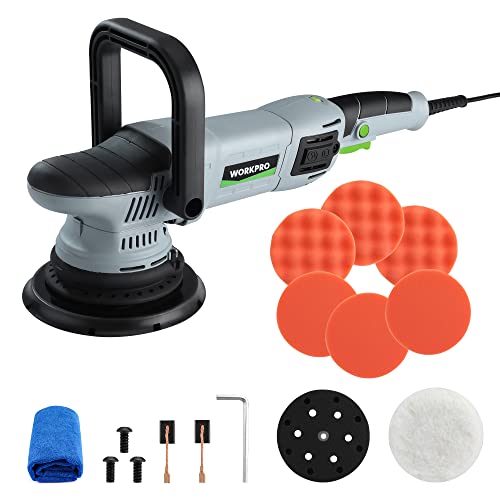
6 Variable Speed Control: WORKPRO dual action polishing machine can generate speeds of up to 5000 RPM According to project requirements, the speed can be controlled at 1400-5000 RPM by adjusting the speed adjustor, allowing for fast switching between waxing and polishing projects to improve work efficiency
Techniques and Tips for Effective Polishing
Effective polishing is both an art and a science. To achieve great results, it’s essential to use the right techniques. With DA polishers, operators can reduce the risk of holograms and effectively tackle light to moderate swirl marks. Always maintain clean pads and manage your pressure carefully. Tilting the pad during operation can enhance surface contact, ensuring an even finish. For rotary polishers, smaller pads and slower speeds work well on sticky paints, allowing for precision and aggressive cutting. Consider a two-step approach: start with the DA for corrections and finish with the rotary for a flawless shine. Adjust techniques based on paint softness to prevent micro marring. This combination leads to beautifully polished surfaces every time. For those looking to safeguard battery life during polishing tasks, using a Bluetooth-enabled model can provide real-time updates and alerts about battery health, ensuring that the equipment operates efficiently and avoids power interruptions.
Community Insights on Polishing Experiences
In the world of detailing, community insights provide a treasure trove of experiences and tips. Detailers often share their machine preferences based on paint types. For instance, rotary polishers are praised for significant blemish removal, but can cause holograms without careful technique. Conversely, users find that forced rotation polishers maintain power effectively on curves and contours. A key consideration when selecting polishers is the material quality of the pads used, as it significantly affects the outcome of the detailing process. Here’s what detailers say:
- Dual Action (DA) polishers are great for beginners, emphasizing safety and ease of use.
- Experienced users favor rotary machines for their cutting abilities.
The balance between user experience and learning curves emerges frequently in discussions. Ultimately, hands-on practice is key to mastering the polishers, whether they are dual-action or rotary.
Frequently Asked Questions
What Is the Difference Between DA Rotary and Forced Rotation?
The difference between DA, rotary, and forced rotation polishers lies in their polishing techniques. Each machine type affects surface finish and user experience, with varying degrees of efficiency, ease of use, and risk of paint damage.
What Is the Difference Between DA and Rotary Polisher?
The difference between a DA and rotary polisher lies in DA application’s dual-action motion, reducing heat and risk, versus rotary speed that offers higher power, effectively enhancing surface finish but potentially damaging paint if misused.
Why Is a Dual Action Polisher Better?
A dual action polisher excels due to its ease of use, addressing safety concerns effectively. Its versatile applications guarantee suitability for various tasks, while delivering excellent finish quality that minimizes imperfections and enhances overall aesthetics.
What Is Better, a Rotary or Orbital Polisher?
Rotary polishers offer superior performance for deep blemish removal, enhancing detailing efficiency. However, orbital polishers prioritize user experience and safety, providing a more forgiving approach that achieves an excellent surface finish with reduced risk of damage.