As an Amazon Associate, we earn from qualifying purchases. Some links on this site are affiliate links at no extra cost to you. Our recommendations are based on thorough research and editorial judgment.

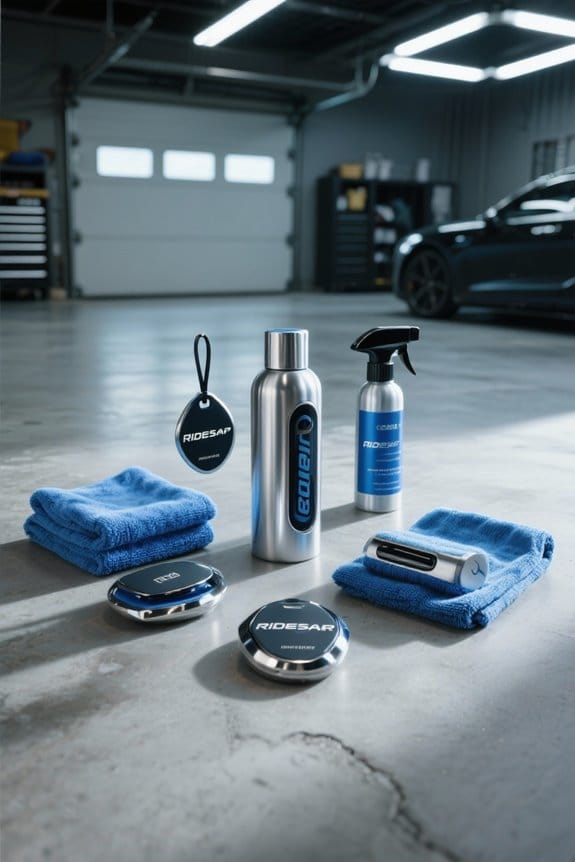
Organizing For Rideshare: Cleanliness, Odor, And Customer Comfort

Organizing rideshare services involves prioritizing cleanliness, managing odors, and ensuring passenger comfort. Rideshare vehicles can carry millions of bacteria, so frequent disinfection of high-touch areas is essential. Use odor-neutralizing products and keep the interior well-ventilated to maintain a fresh environment. Also, offer thoughtful amenities like charging ports and water bottles for enhanced comfort. Clear communication about hygiene practices builds trust. Discovering the balance in these areas can transform a ride into a delightful experience.
Key Takeaways
- Regularly clean and disinfect high-touch surfaces before and after each shift to minimize bacterial contamination and ensure passenger safety.
- Use odor-neutralizers and activated-charcoal pouches for managing unpleasant smells and maintaining a fresh vehicle environment.
- Maintain a comfortable temperature between 68-72°F with proper ventilation and air filtration methods to enhance overall air quality.
- Provide thoughtful amenities like charging ports and water bottles to improve passenger satisfaction and comfort during rides.
- Communicate cleanliness routines and gather passenger feedback to build trust and continuously improve the riding experience.
Understanding Bacterial Contamination in Rideshare Vehicles
You may be interested


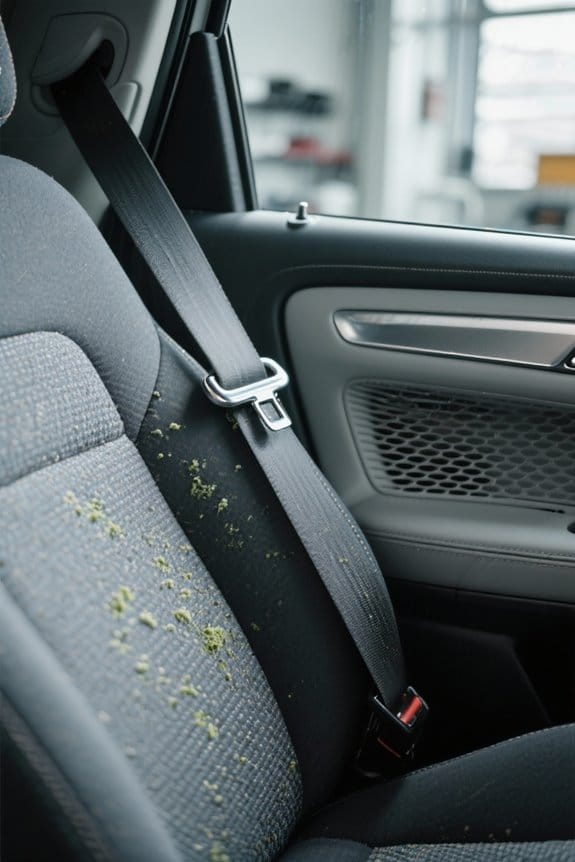
When you hop into a rideshare vehicle, you might not think about what you’re sharing with others—specifically, bacteria. Studies show these cars can harbor bacterial loads over six million cells per sample, far more than taxis or rental vehicles. High-touch areas like window buttons and seat belts are the main surface contamination sources, revealing just how easily bacteria can accumulate. Bacterial exposure factors include high passenger turnover and infrequent cleaning. These conditions create a breeding ground for germs, including skin-related bacteria like *Staphylococcus*. Though direct disease-causing strains are rare, the risks remain. This hidden germ exposure makes rideshare vehicles a unique challenge for cleanliness, underscoring the importance of good hygiene practices for passengers. Considering the air quality inside vehicles, HEPA filters in car air purifiers can effectively capture 99.97% of airborne pollutants, providing a cleaner environment.
Health and Hygiene Best Practices for Passengers
How can passengers stay healthy while using rideshare services? They can adopt several best practices to enhance their hygiene. To start, passengers should use hand sanitizer with at least 60% alcohol when entering and exiting the vehicle. Remember to sanitize after touching high-touch surfaces like seatbelts and door handles. Mask compliance is also essential. Face coverings should fully cover both the nose and mouth during the ride. Passengers without masks can ask the driver for a disposable one. It’s important to avoid adjusting masks during the trip. Lastly, always self-monitor for symptoms. If feeling unwell, stay home. By following these simple steps, passengers can greatly reduce their risk while enjoying rideshare services. Additionally, passengers can consider using cup holder phone mounts to keep their devices secure and hands-free during the ride, minimizing distractions and promoting safety.
Effective Odor Management Strategies

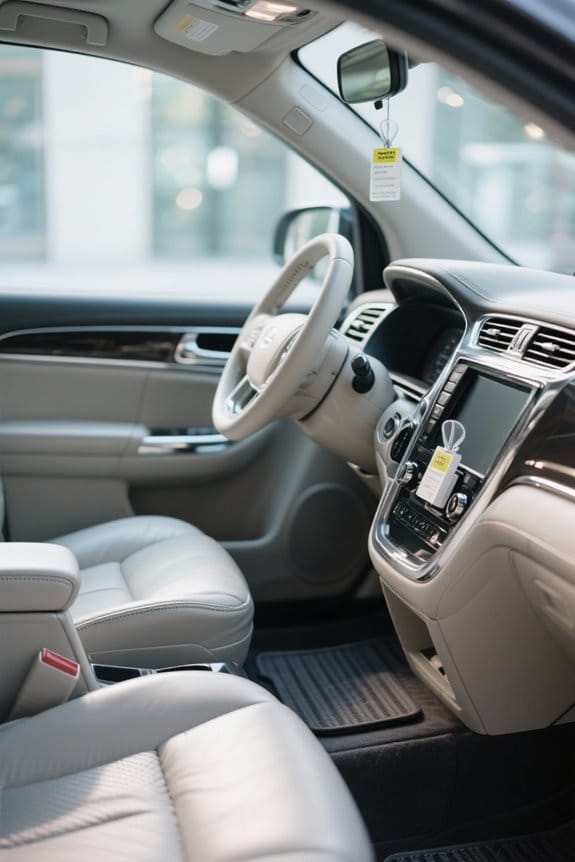
Effective odor management in rideshare vehicles is essential for keeping the environment fresh and welcoming for passengers. Drivers can use odor neutralizers instead of traditional air fresheners. These neutralizers break down odor molecules rather than mask them. Key strategies include:
- Placing activated-charcoal pouches under seats for moisture absorption.
- Using ozone treatments to oxidize persistent odors.
- Regularly applying enzyme cleaners to tackle organic residues from food and sweat.
- Consider using electric cordless leaf blowers for efficient drying after cleaning seats and upholstery, which can help prevent moisture-related odors.
It’s also smart to manage common odor sources. Fabric seats trap smells, so regular cleaning is crucial. Quick cleanup of spills and using seat covers during snack-heavy shifts can prevent odors from building up. Ultimately, effective scent management enhances both passenger comfort and driver ratings.
Cleanliness Protocols for Driver-Operators
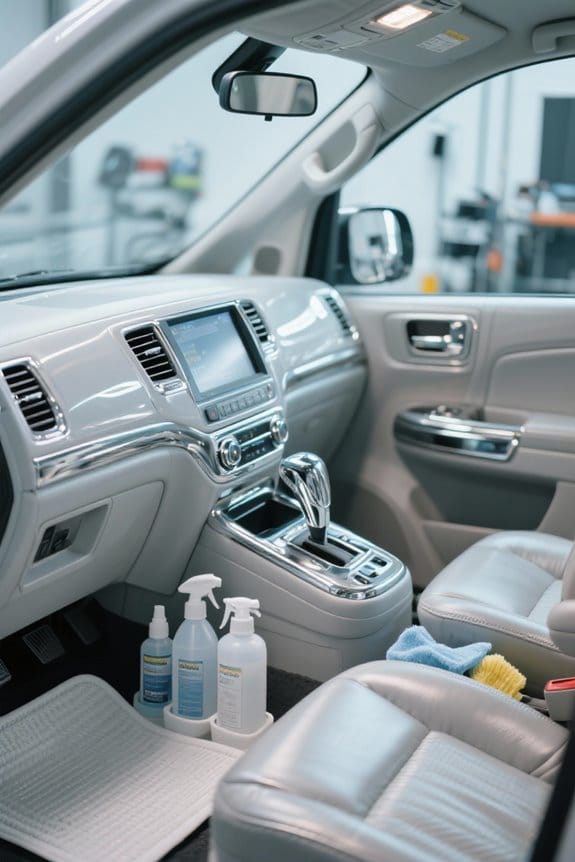
Rideshare drivers frequently face the challenge of maintaining cleanliness in their vehicles. Adhering to cleanliness protocols is essential for their safety and their riders’. The CDC and WHO recommend frequent cleaning of high-touch surfaces, like door handles and seat belts, especially before and after each shift. Many companies, like Uber and Lyft, provide cleaning supplies, but access varies greatly. For driver compliance, confirming cleaning actions via apps is now standard. Important steps include:
- Using disinfecting wipes on all surfaces.
- Sanitizing hands immediately after rides.
- Wearing masks consistently.
Drivers may sometimes lack adequate supplies, leading some to improvise. Nevertheless, keeping a clean vehicle protects everyone and can boost rider comfort and safety. To further enhance rider comfort and safety, drivers can consider using non-toxic car odor eliminators, such as activated charcoal bags, which are effective in neutralizing smells and improving air quality without introducing harmful chemicals.
Environmental Considerations in Rideshare Operations
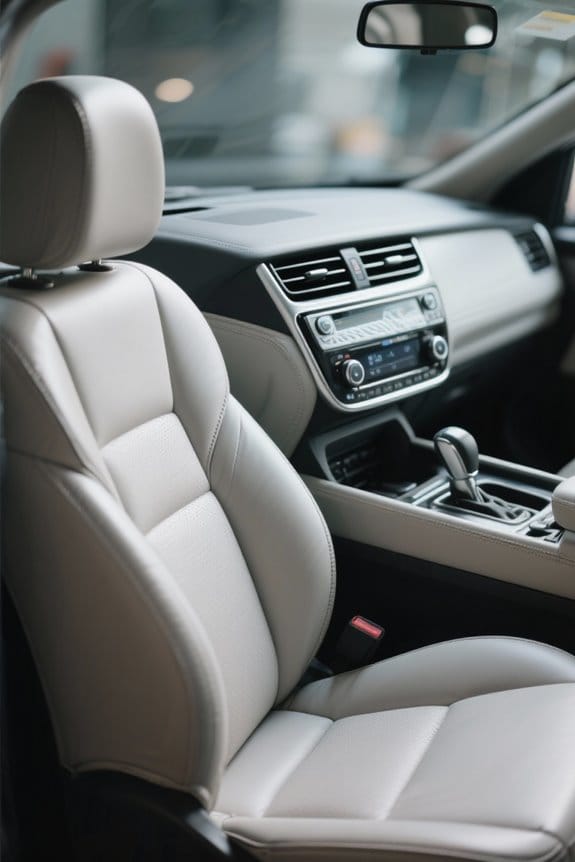
As cities become busier, the environmental impact of transportation choices has become increasingly important. Rideshare operations can contribute to sustainability initiatives. However, they can also lead to a net increase in vehicle miles traveled (VMT) and greenhouse gas emissions. For instance, rideshare services in San Francisco have raised emissions by 2.21%. About 80% of rides would have likely been taken in private cars without these services. To ensure the longevity and durability of rideshare vehicles, high-quality materials are recommended for vehicle parts that experience wear and tear. To combat this, rideshare companies are introducing options like Uber Green, which provides low- and zero-emission rides. Carpooling is another effective strategy. It could reduce global emissions by up to 11%, lessening both congestion and pollution. Understanding these factors is key to promoting effective emission reduction in urban environments.
Enhancing Customer Comfort Beyond Cleanliness
Improving customer comfort in rideshare vehicles goes beyond just keeping them clean. Temperature control is crucial; maintaining between 68-72°F guarantees a pleasant ride. Noise levels should be kept low to reduce stress, while proper ventilation keeps the air fresh. Comfort technology enhances the riding experience. For example, ergonomic seating provides essential support, helping to avoid fatigue on longer journeys. Personalization options allow riders to choose their ideal seating position and temperature. Adding features like onboard Wi-Fi and USB charging enhances convenience. With soft lighting and air purifiers, the ambiance becomes more inviting. In addition, established privacy measures cater to riders’ security concerns, ultimately delivering a more satisfying and comfortable experience overall. Ensuring the interior is free of dust and scratches not only maintains the vehicle’s aesthetic appeal but also contributes to a cleaner, more pleasant environment for passengers.
The Importance of High-Touch Surface Disinfection
In rideshare vehicles, high-touch surfaces are often breeding grounds for bacteria. Common high touch hotspots include door handles, gearshifts, and seat belts. Research shows these areas can be three times more contaminated than in taxis. The problem? Disinfection timings are frequently overlooked. Many drivers do not sanitize surfaces between rides, allowing harmful pathogens to linger. This can lead to infections or food poisoning for unsuspecting passengers. To combat this, the CDC recommends cleaning these surfaces at the start and end of every shift, and especially after transporting sick passengers. Using EPA-approved disinfectants on hard, non-porous surfaces is essential. With more awareness and effective cleaning procedures, rideshare experiences can be notably safer for everyone. A versatile size can accommodate different tools and components, ensuring efficient maintenance and organization.
Maintaining Air Quality in Rideshare Vehicles
Maintaining good air quality in rideshare vehicles is just as important as disinfecting high-touch surfaces. Drivers should consider the air pollution impacts from increased emissions due to deadheading and low passenger occupancy. Implementing effective air filtration methods, like HEPA filters, can greatly improve in-vehicle air quality by trapping allergens and particulate matter. Regular replacement of the HEPA cabin filter is recommended every 12 to 18 months to ensure optimal performance and maintain health benefits. To enhance the atmosphere, drivers might:
- Regularly ventilate the vehicle by opening windows.
- Avoid smoking or consuming strong-smelling foods inside.
- Use air purifiers for additional support, although their effectiveness can vary.
Regular cleaning of upholstery and surfaces can also minimize dust and pollutants. By focusing on air quality, rideshare drivers create a more pleasant and healthier experience for their passengers.
Providing Amenities That Elevate the Ride Experience
When riders step into a rideshare vehicle, they often look for small touches that make their experience memorable. Providing an array of thoughtful amenities can greatly enhance comfort and satisfaction. For instance, offering phone charging ports caters to device users, while water bottles add a revitalizing touch on longer trips. Rideshare services can personalize experiences with seatback organizers for convenience and soothing climate controls for comfort. Bluetooth connectivity allows passengers to enjoy their favorite tunes, adding a personal feel to the journey. Additionally, clean and comfortable interiors, featuring breathable fabrics and quality sound insulation, contribute to a pleasant atmosphere. Ergonomic design in vehicle features, such as adjustable seating, can further enhance the comfort and overall ride experience. By focusing on amenity variety and customizing offerings based on rider needs, companies can elevate the overall ride experience considerably.
Building Trust Through Transparent Hygiene Practices
Riders want to feel safe and secure during their journeys. Trust building is essential in rideshare services, especially concerning hygiene. Clear hygiene communication is vital. Companies that openly share their vehicle cleaning protocols reassure passengers. For instance, informing riders about disinfection routines reduces concerns over germ exposure. Transparency also includes publishing safety stats. Did you know that rideshare vehicles may carry more germs than rentals? Sharing this information builds credibility. In addition, training drivers on hygiene practices fosters a culture of safety. Regular updates on cleaning policies during health crises, such as COVID-19, enhance trust. With proactive communication, passengers can make informed decisions. This ongoing transparency helps everyone feel more comfortable, allowing for a better riding experience. Using multi-surface cleaners can efficiently maintain a spotless vehicle interior, further promoting hygiene and comfort for passengers.
Frequently Asked Questions
How Often Should Rideshare Vehicles Undergo Deep Cleaning?
Rideshare vehicles should undergo deep cleaning monthly for ideal hygiene, contrasting with lower-use vehicles needing bi-annual attention. Recommended cleaning products include professional-grade shampoo and disinfectants to effectively tackle grime and odors, ensuring customer satisfaction.
What Items Can Drivers Keep in Their Cars for Passenger Comfort?
Drivers can enhance passenger comfort by keeping seat covers to improve seating experience and insulated water bottles to guarantee hydration. These items contribute to an inviting atmosphere, ultimately boosting overall satisfaction during rides.
Are There Any Specific Scents That Improve Rider Comfort?
Research indicates that 85% of people have specific scent preferences affecting comfort. Subtle fragrance types like lavender and citrus can considerably enhance rider satisfaction, promoting relaxation while preventing overwhelming experiences during travels in rideshare vehicles.
How Can Drivers Minimize Clutter in Their Vehicles?
Drivers can minimize clutter in their vehicles through effective vehicle organization and clutter management by using specialized organizers, conducting regular clean-outs, maintaining designated trash bags, and encouraging passenger participation in keeping the space tidy during rides.
What Should Drivers Do if Passengers Report Hygiene Concerns?
When passengers voice hygiene concerns, drivers should promptly acknowledge their feedback, implement hygiene protocols like surface cleaning, and reassure customers by inviting further comments through the app, ensuring a clean and comfortable experience during the ride.