As an Amazon Associate, we earn from qualifying purchases. Some links on this site are affiliate links at no extra cost to you. Our recommendations are based on thorough research and editorial judgment.

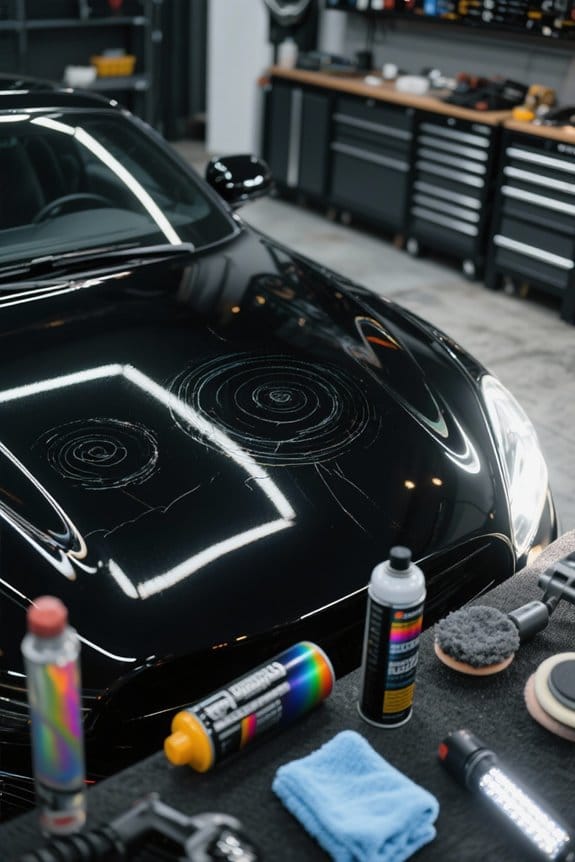
Swirl Marks, Micro‑Marring, And Holograms: How To Identify Each

Swirl marks, micro-marring, and holograms are common paint defects. Swirl marks look like random circular scratches and usually occur from improper washing. Micro-marring appears as fine scratches from insufficient polishing. Holograms are zig-zag patterns from rotary polishing that affect clarity. To spot these, check your car under bright light. Proper washing techniques and high-quality polishing tools can help prevent these issues. Want to know how to combat these defects effectively? There’s more to discover!
Key Takeaways
- Swirl marks appear as random, circular scratches, often noticeable under bright light, resulting from improper washing techniques.
- Holograms manifest as zig-zag patterns under direct sunlight, indicating incorrect polishing with rotary polishers.
- Micro-marring consists of fine imperfections from insufficient polishing, typically due to aggressive products or pads.
- Inspect surfaces closely under bright lighting to accurately identify swirl marks and holograms before detailing.
- Regular maintenance and careful polishing techniques prevent the emergence of these surface defects.
Understanding Swirl Marks
You may be interested

Swirl marks can be a frustrating sight for any vehicle owner. These swirls appear as random, circular scratches in the paint, especially visible under bright light. Unlike traditional scratches that run in straight lines, swirl marks create a unique visual effect that can detract from a vehicle’s appearance. Often, these paint defects result from improper washing techniques, like using dirty sponges or rags. The circular nature of swirls can be perplexing, making it challenging to identify their source. To keep your car looking pristine, it’s essential to wash with clean materials and consider safer methods, such as the two-bucket technique. Understanding these nuances can help any owner maintain their vehicle’s finish and enhance its visual appeal. For removing swirl marks and restoring gloss, it’s recommended to use a suitable polishing compound that can minimize swirling and enhance the paint’s clarity.
Causes of Swirl Marks
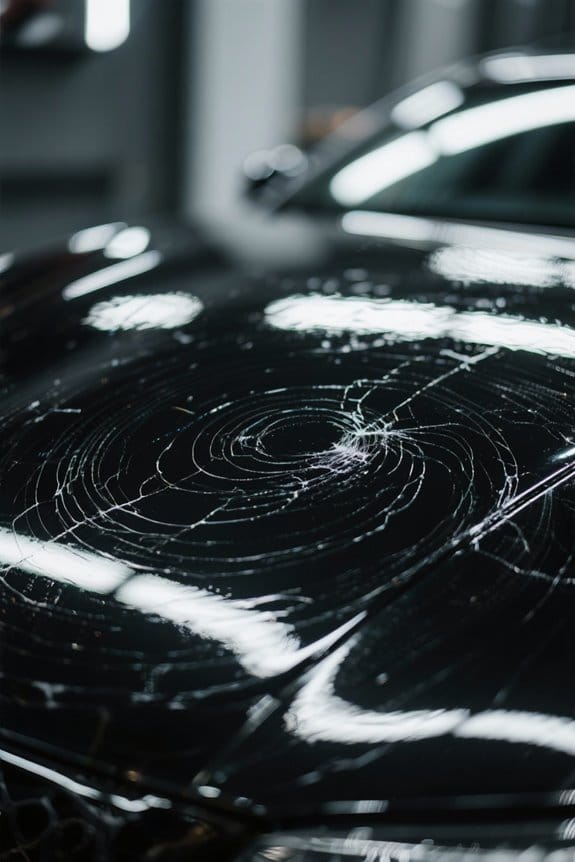
Maintaining a vehicle’s appearance can seem like an intimidating task for many owners. Swirl marks are common surface defects, often caused by everyday activities. These imperfections typically arise from normal washing, drying, and detailing processes. Contaminants on wash media can scratch the paint, leading to those annoying swirls. Key culprits include:
- Worn-out wash mitts
- Contaminated drying towels
- Automated car washes
Under strong light, swirl marks appear as circular patterns, reflecting light in unpredictable directions. Using a polishing pad during paint correction may help minimize these defects. Regularly inspecting and replacing wash tools can greatly reduce the occurrence of swirl marks, helping maintain that glossy finish everyone loves. Proper care makes all the difference! Additionally, using foam technology can help lift dirt particles away safely, reducing the risk of scratching vehicle surfaces.
Recommended Products

Statically charged cleaning fibres

FAST FOG-FREE: Ultra-microfiber anti-fog sponge - reliably removes moisture from car windshield, side windows and mirrors. For clear visibility inside the car in any weather.

Package Includes: you will receive 50 pieces of car wash mitts in green designs, enough quantities to meet your daily needs, nice helper for car washing
Prevention Techniques for Swirl Marks
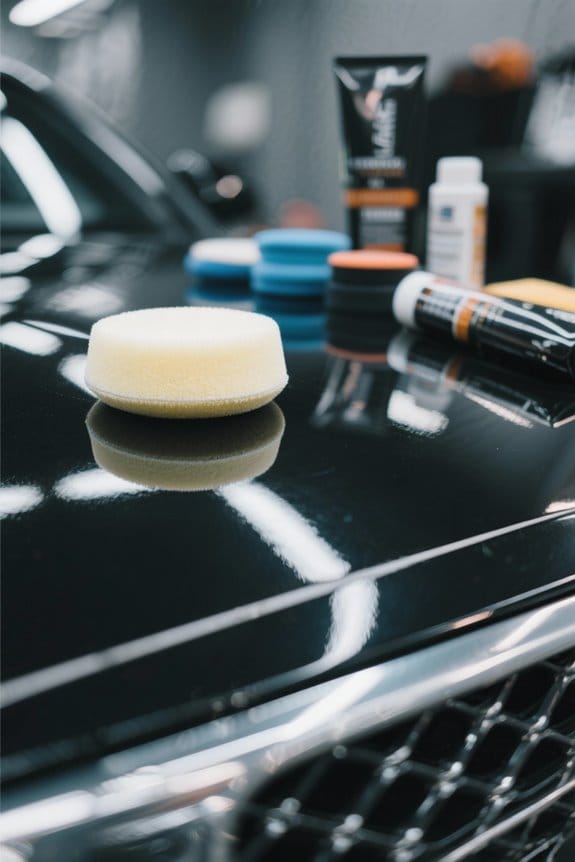
Protecting a vehicle’s finish from swirl marks requires more than just a careful hand during washing. A few effective prevention techniques can make a significant difference. First, always use clean, soft wash mitts and drying towels. These help avoid introducing dirt and contaminants to the paint.
Next, adopt a two-bucket washing system. This separates soapy water from rinse water, which minimizes dirt transfer.
Inspect wash media regularly. Replace worn items to reduce potential damage. It’s also wise to steer clear of automated car washes, as their brushes can cause scratches.
Finally, consider applying a polymer sealant or wax after polishing. This extra layer protects against environmental factors that may lead to swirl formation. Regular use of clay bar kits can also enhance the paint’s depth and shine, contributing to long-lasting protection for the vehicle’s finish.
Recommended Products

Bulk Ready Pack - Includes 600 brown jersey gloves, 300 pairs total, in a 10 inch size for workplace supply rooms, crews, warehouses, and maintenance teams.

✅ CONCENTRATED CAR SOAP – HIGH FOAM PERFORMANCE: Ultra-concentrated car shampoo with a 199:1 dilution ratio—add just 4 oz to a 5-gallon car wash bucket or a 32 oz foam cannon / foam gun bottle. This premium car soap wash delivers thick, lubricating foam soap that safely lifts dirt, grime, and road film, making it ideal for car wash, DIY detail, and professional auto detailing use.

SUPERIOR GRIP and EXCELLENT DEXTERITY:Micro-Foam Nitrile coatings are compatible with light oils and will provide a good grip and excellent abrasion resistance.Economic designed comfortable 3D snug fit into all fingers.
Defining Holograms
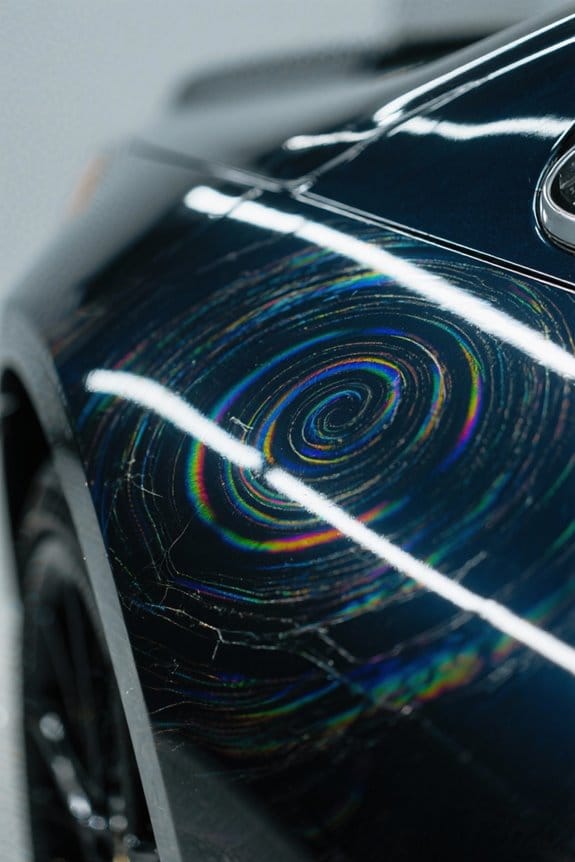
Holograms can be a real headache for car enthusiasts. These are scratch patterns created during rotary polishing, often called buffer trails. You’ll notice them as zig-zag patterns of circular scratches. Holograms stand out under direct sunlight, looking like a halo around the paint. Their presence can really compromise paint clarity, making your car’s finish appear less polished and professional. To improve this, follow-up polishing with quality polishing products is essential. Using an orbital polisher after rotary polishing helps eliminate these pesky holograms. This method enhances the overall finish and restores that deep, shiny look car lovers crave. By addressing holograms promptly, you can keep your vehicle’s appearance at its best. Additionally, hydrophobic properties in ceramic coatings facilitate easy water drainage and dirt removal, ensuring a cleaner surface which helps maintain the vehicle’s aesthetics over time.
How Rotary Polishers Create Holograms
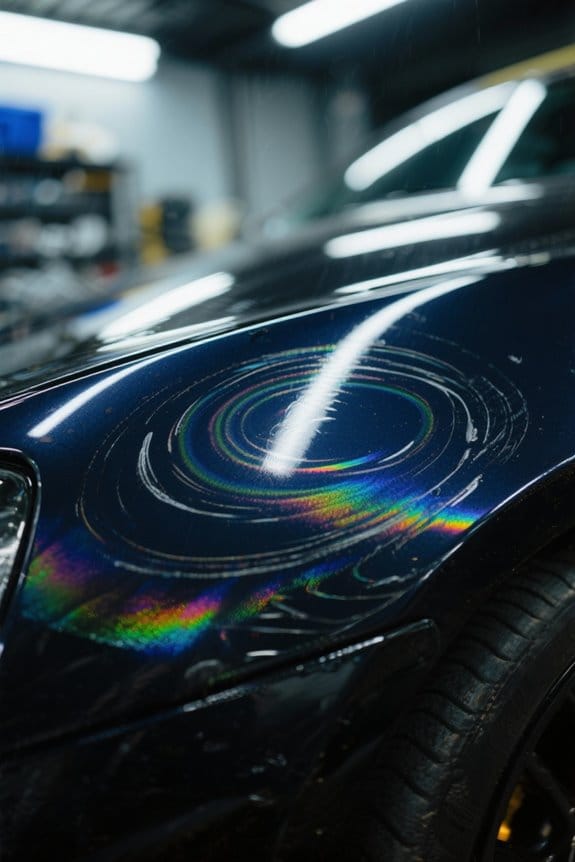
Have you ever wondered how those annoying holograms appear on freshly polished cars? Holograms are pesky patterns of circular, zig-zag scratches formed during the polishing process. A rotary polisher is often responsible for their creation, especially when using aggressive polishing pads like wool or foam wool. These pads can interact harshly with paint surfaces, leaving behind visible flare-like marks under bright sunlight. Holograms reflect scattered light, which makes them easily noticeable. This can negatively impact a vehicle’s look. To eliminate them, re-polishing the surface with a dual-action polisher and a gentler foam pad is recommended. Choosing high-quality polishing products and compatible pads helps minimize the risk of both holograms and swirl marks during the detailing process. Polish compound kits, like those from Chemical Guys and Meguiars, are essential for achieving a flawless finish and can greatly aid in minimizing defects.
Strategies to Avoid Holograms
To avoid the frustration of holograms on a freshly polished car, careful attention to detail is essential. Using a dual-action polisher is a smart choice. It is less aggressive than rotary polishers, notably reducing the risk of hologram creation. Opt for high-quality foam pads; these are better at minimizing scratches. Wool or foam wool pads can be too abrasive. After applying an abrasive compound, follow up with a less aggressive polish. This helps refine the surface and remove any potential hologram patterns. Maintain a tidy workspace, and regularly clean your pads to prevent residue buildup. Regular replacement(Regular replacement of engine air filters every 12,000 miles is crucial for maintaining engine health) of components in your vehicle, like engine air filters, ensures optimal performance and prevents damage. Finally, educate yourself on correct polishing techniques and product compatibility. This knowledge will keep your vehicle looking flawless without introducing holograms.
Recommended Products

Optimizes Workflow: With an impressive 40-minute battery life at full power, it’s designed for crucial tasks, offering consistent performance even in demanding conditions, with rapid recharge cycles; its efficient design optimizes workflow and boosts productivity

Compact Ergonomic Design: Lightweight and compact construction improves maneuverability and comfort, making it easier to work on intricate surfaces and precision polishing applications

Reduced Vibration: Advanced POLYSYNTHEC composite gears reduce vibration, noise, and friction to deliver smoother operation, enhanced user comfort, and more consistent polishing results during extended use
Methods for Removing Holograms
Removing holograms from a car’s surface is essential for restoring its shine. Holograms appear as halo-like patterns caused by harsh polishing techniques. To clear them up, re-polish using a dual-action polisher, paired with a foam pad and a less aggressive polishing compound. High-density foam and microfiber enhance durability and absorbency for optimal application, ensuring a smooth finish. Here’s how to do it:
- Start with the affected area.
- Use a soft finishing pad after initial compounding. This soft touch can greatly reduce holograms.
- Experiment with different polishing combinations. Test on a small area first to find what works best.
Regular maintenance with quality products can help prevent future holograms. With the right techniques, you’ll have a smooth, shiny surface that looks great under any light!
Recommended Products

Microfiber Polishing: The D-A Ultra-Fine Microfiber Polishing material combined with an extremely soft foam interface allows this pad to boost the defect removing power of ultra-fine polishes

Compact Ergonomic Design: Lightweight and compact construction improve maneuverability and comfort, making it easier to work on intricate surfaces and precision polishing applications

Versatile Polisher Usage: This D-A Ultra-Fine Foam Polishing Pad is engineered to work on all dual action polishers for consistent and controlled paint correction
The Persistence of Holograms in Detailing
Why do holograms seem to stick around even after a detailed polish? These pesky markings, also known as buffer trails or zebra stripes, often persist due to improper polishing techniques. Many detailers use rotary polishers or aggressive pads, which lead to unwanted scratch patterns. Holograms are most noticeable in direct sunlight, where light reflections create a halo effect. Unfortunately, many detailers overlook these imperfections, affecting the quality of their detailing work. To combat holograms effectively, it’s wise to use a dual-action polisher with a foam pad and quality polishing products. This gentler approach minimizes buffer swirls and enhances the overall finish. Always remember, attention to detail prevents those frustrating holograms from spoiling your hard work. For optimal results, selecting appropriate pads based on tasks such as waxing or heavy cutting is crucial to achieving a flawless finish.
Recommended Products

Powerful 7.8 amp motor delivers more output and variable (180 - 790) RPM

Superior Italian design and craftsmanship

Frequently Asked Questions
What Does Micro Marring Look Like?
Micro-marring appears as fine, hair-line scratches on the paint surface, often visible under direct light. Identifying micro-marring requires careful inspection, and effective prevention involves employing proper polishing techniques and maintaining paint surface care.
How to Check for Swirl Marks?
During a meticulous inspection, she noticed swirl marks caused by improper washing techniques. To identify such damage, employing inspection tips under bright light and utilizing proper detailing techniques are essential for effective paint protection against surface damage.
How to Avoid Holograms When Polishing?
To avoid holograms when polishing, one should implement hologram prevention techniques, select appropriate polishing products, choose suitable buffer pads, guarantee adequate lighting conditions, and employ proper polishing methods for ideal results and finish clarity.
What Do Swirl Marks Look Like?
Swirl marks manifest as dreadful, circular scratches that mar the pristine surface of vehicles. Their identification hinges on lighting angle, while prevention and removal involve proper washing techniques, contrasting their differences with other paint imperfections.