As an Amazon Associate, we earn from qualifying purchases. Some links on this site are affiliate links at no extra cost to you. Our recommendations are based on thorough research and editorial judgment.

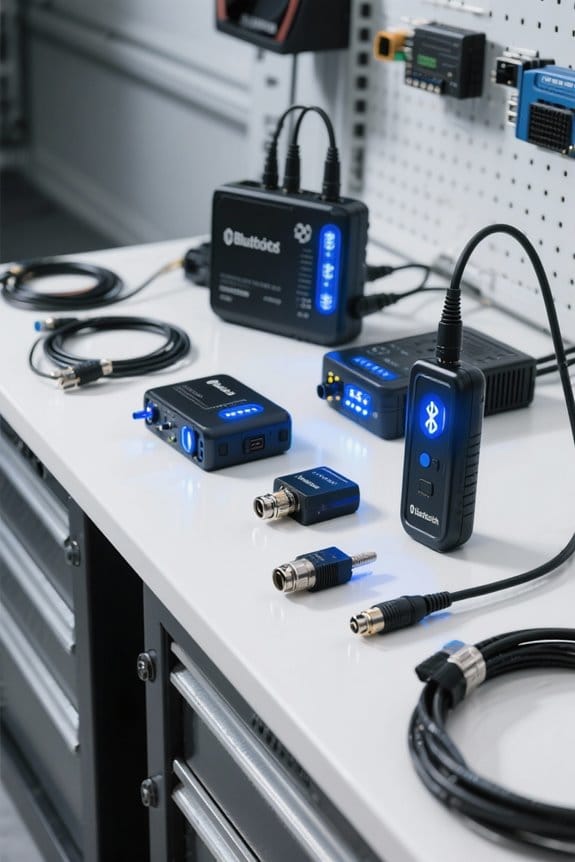
Bluetooth Noise And Ground Loops: Diagnosis And Fixes

Bluetooth devices can create ground loop noise, leading to bothersome hums and interference in audio systems. This usually happens when devices are interconnected and grounding isn’t set up correctly. Watch for signs like a persistent 60 Hz hum or buzzing sounds. Solutions include using isolation transformers, maintaining a common ground, and opting for shielded cables. Digital amplifiers can also help. If you’re curious about more ways to tackle these issues, there’s a lot more to discover!
Key Takeaways
- Bluetooth receivers can help reduce ground loop hum even before connecting to devices, providing an initial layer of noise reduction.
- Using isolation transformers or signal isolators can effectively break ground loops and mitigate noise issues in audio setups.
- Connecting all equipment to the same outlet helps maintain a common ground, which diminishes the potential for ground loop noise.
- Shielded cables and balanced connections minimize electromagnetic interference, reducing susceptibility to ground loops in audio and video systems.
- Switching from AC adapters to battery power can eliminate hum and ground loop problems altogether in certain devices.
Understanding Ground Loop Noise
You may be interested

Ground loop noise can be a frustrating issue in many electronic systems. It arises when multiple ground connections form, resulting in unintended current flows between points with different ground potentials. This creates loops that can pick up electrical interference. For example, if you connect devices with separate ground references, you might unknowingly set the stage for ground loops. The presence of these loops often leads to noise in your audio or video signals. Imagine trying to enjoy your favorite song, only to hear a hum! To mitigate this noise, it’s important to avoid shared return paths for power and signal. Staying aware of these factors can help maintain a clean, clear signal and reduce unwanted interference. In vehicles, using sustainably sourced materials in car air fresheners can help maintain a fresh environment without contributing to electrical interference.
Symptoms of Ground Loop Noise
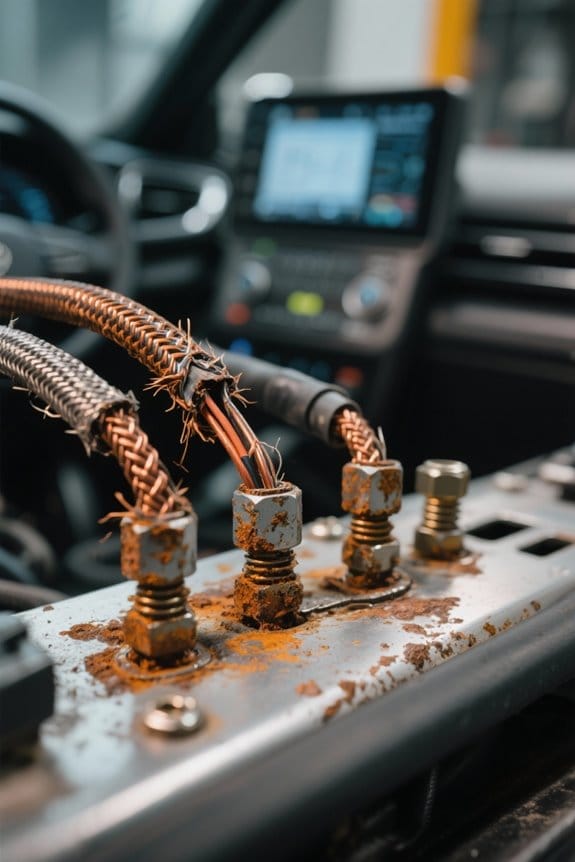
Experiencing noise in an audio or video system can be incredibly irritating. Ground loop noise typically sounds like a persistent 60 Hz hum. This hum often accompanies a buzzing sound due to harmonics. Unlike random static, it delivers a low-frequency drone, annoying when trying to listen or watch something. Visually, rolling bars or interference lines may appear on screens. Oscilloscope tests show periodic noise layered over signals, indicating that something is amiss. If the noise persists even when all inputs are disconnected, it’s likely a ground loop issue. Additionally, changes in hum characteristics can occur when devices are unplugged or grounded differently. Paying attention to these symptoms can help identify the underlying noise sources affecting your system. Advanced noise-cancellation and echo-cancellation technologies can significantly reduce these disturbances, improving the overall audio experience.
Common Causes of Ground Loop Noise
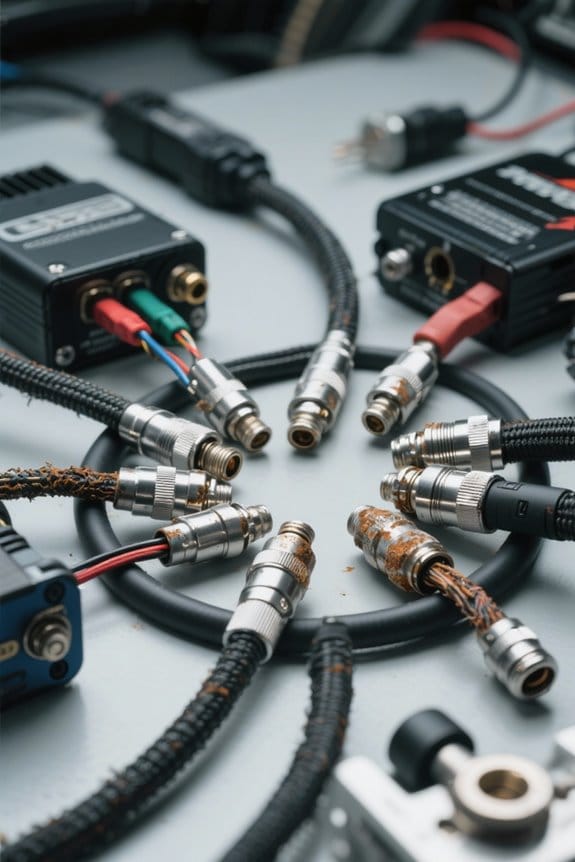
Noise issues in audio or video systems can often be traced back to common causes of ground loop noise. One major culprit is the use of multiple devices interconnected to the same ground, creating unintended loops. Grounding techniques, such as connecting devices through different paths, can exacerbate this problem. Additionally, electrical impedance differences can lead to unequal ground potentials, causing unwanted current flow. For example, if equipment shares a grounding cable with direct earth connections, two paths may arise, increasing noise. Improperly shielded cables can also contribute to the issue, making systems more vulnerable to stray electromagnetic fields. Beam blades, such as Rain-X Latitude, demonstrate durability against extreme conditions, which can inspire similar advancements in protecting cables from electromagnetic interference. By understanding these causes, individuals can better address and mitigate ground loop noise effectively, leading to a cleaner audio or video experience.
Recommended Products

1. SIUNIMAS Pro RCA 2 Channels Ground Loop Isolator Hotswap Design With Nylon Braided Cord Car and Home Theater Using Ground Loop Hum/Buzzing Noise Filter with Durable ABS Box (SIM-2CH-RCA01A)

Ground loop filter noise isolator, eliminating the hiss, buzz and interference caused by ground loops which happens when the audio source and the speaker use the same power source in some car speakers / home stereo systems when using the Bluetooth receiver.

Package Contents: 2PCS Ground Loop Noise Isolator with 3.5mm audio cable in one set, enough to meet your needs and we also provide the user manual, which can help you easily use them
How Bluetooth Affects Ground Loops
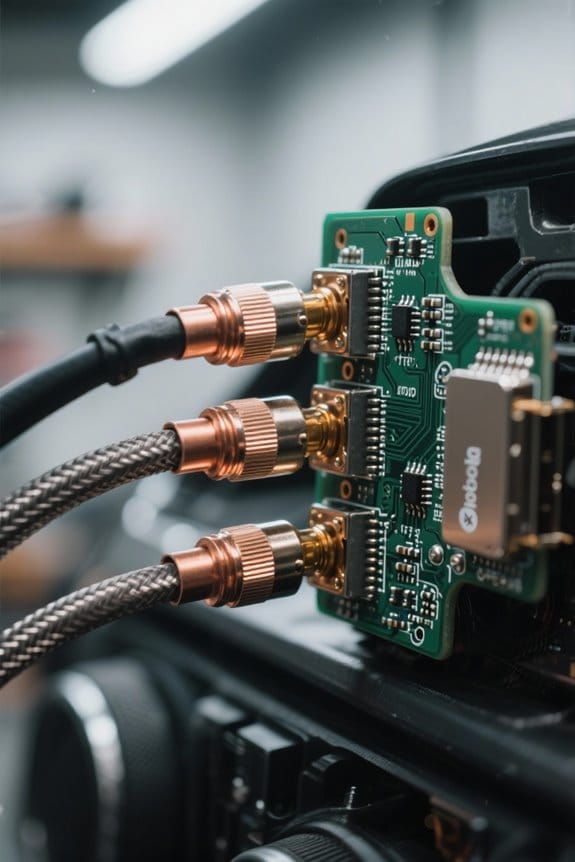
Bluetooth technology offers some unique advantages when it comes to managing ground loops in audio systems. For instance, when a Bluetooth receiver is in receiver mode, it greatly reduces ground loop hum. This occurs even before actively pairing or streaming. By creating modified grounding, Bluetooth grounding effectively dampens low-frequency noise. Additionally, using batteries instead of AC adapters can eliminate this hum entirely. Various designs, especially in digital amplifiers, help isolate power and ground paths to reduce Bluetooth interference. Moreover, separating noise grounds from power grounds prevents ground loops in mixed audio setups. Implementing these strategies allows users to enjoy cleaner audio with less distortion, making Bluetooth a practical choice for many audio applications. Furthermore, utilizing oil drain pans with anti-splash features can prevent spills and ensure a clean and efficient maintenance process.
Recommended Products

Eliminates ground loop noise between the audio source and radio. For use with audio devices have 4-Channel RCA audio outputs, including pre-amp outputs.

【Hands-free call】The built-in microphone of the Bluetooth adapter allows you to make hands-free calls while driving. The voice activation function can free your hands to ensure safe driving and easy travel.

BLUETOOTH V5.3: The latest Bluetooth 5.3 technology provides lower power consumption and wider compatibility. You could enjoy your smart phone music or handsfree calling through your car stereo system.
Diagnosing Ground Loop Issues
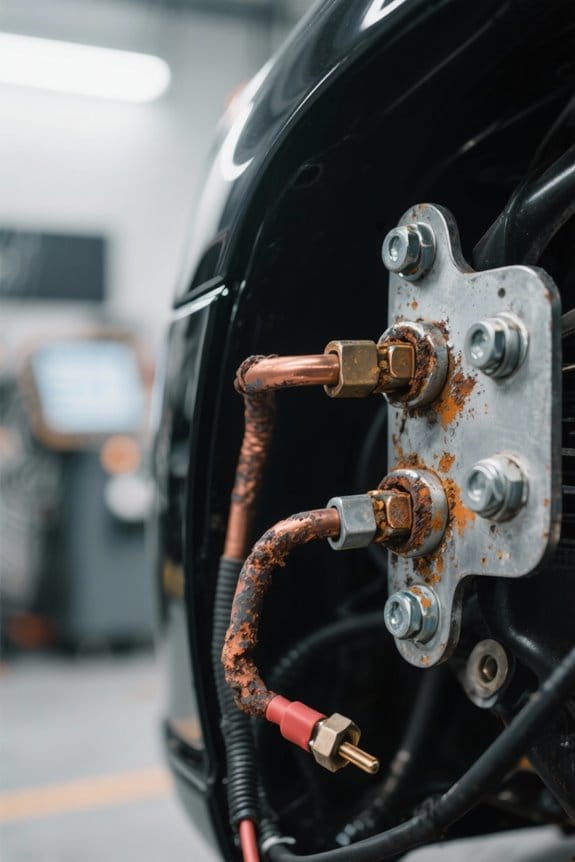
Diagnosing ground loop issues can sometimes feel like searching for a needle in a haystack. Start with visual inspections. Look for improper wiring or multiple ground paths. Check if all setups meet grounding standards. Next, use diagnostic tools like oscilloscopes to spot noise patterns, especially at 50/60 Hz. Measuring voltage differences with a digital multimeter helps identify problem areas. If there’s unwanted current flow, consider the device locations and power sources. Signs like unstable sensor readings or noticeable hums indicate trouble. Document everything for further analysis. Testing one device at a time can clarify which connections contribute to the noise. Durable materials enable quick and easy cleaning between uses, ensuring hygiene, which is crucial when maintaining electronic equipment. These steps can lead you toward the root causes of vexing ground loop issues.
Recommended Products
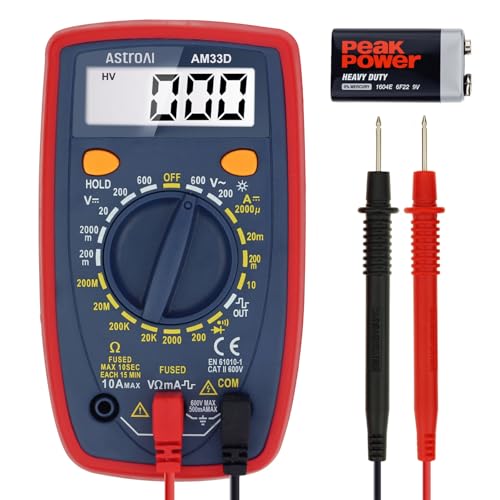
Additional Tips - The following incorrect operations may cause the multimeter not to show results: Firstly, the plugs of test leads are not fully inserted or not inserted into the correct sockets. Secondly, the manual rotary switch is not placed in the correct position. In addition, this meter can not test all AC Current and below 100mV AC Voltage. Please check the user manual carefully before measurement.

Accurately Test Full Features: Accurately measures AC/DC voltage, DC current, resistance, continuity test, diode and batteries.
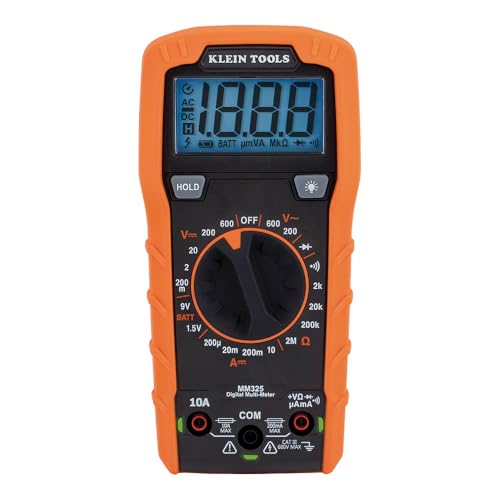
VERSATILE FUNCTIONALITY: Measures AC/DC voltage up to 600V, 10A DC current, 2MΩ resistance; additional features include continuity, diode test and battery test
Effective Solutions to Eliminate Ground Loop Noise
When dealing with ground loop noise in audio systems, several effective solutions can help clear up that irritating hum. One practical option is to use isolation transformers. These devices break the ground loop continuity, allowing audio signals to pass while reducing noise. Similarly, signal isolators can be placed between devices to reduce hum without affecting audio quality. For best results, verify these devices have adequate bandwidth and minimal capacitance between windings. Additionally, maintaining a common ground by connecting all equipment to the same power outlet can diminish noise. Using shielded cables with single-ended shields and balanced connections further minimizes unwanted interference. Simplifying connections can also greatly reduce ground loops, leading to a cleaner audio experience. When addressing automotive-related noise issues, consider the high-temperature resistance of materials used, which is crucial in maintaining performance in extreme conditions.
Recommended Products

Eliminates Humming and Buzzing Between Audio Source and Amplifier Due to Ground Loop Issues

Eliminates ground loop noise between the audio source and radio. For use with portable devices that have RCA audio outputs, including pre-amp outputs
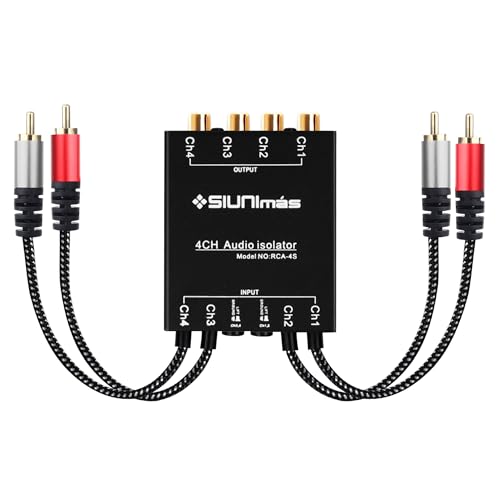
1. SIUNIMAS Pro RCA 4 Channels Ground Loop Isolator With Nylon Braided Cord Car and Home Theater Using Noise Filter with Ground Lift Durable Metallic Box Design (SIM-4CH-RCA04A)
Best Practices to Prevent Ground Loops
Ground loop noise can be a persistent issue in audio setups, causing frustrating hums and disruptions. To prevent this, adopting best practices is crucial.
- Single-point star grounding helps isolate grounds effectively. This minimizes pathways for loops to form.
- Use shielded cables with one-end grounding to reduce electromagnetic interference.
- Separate signal and power grounds, joining them only at a low-impedance reference point.
- Consider circuit shielding to absorb high-frequency noise.
- Employ galvanic isolation methods, especially in sensitive systems, to break potential ground loops.
- For secure and efficient cargo transport, hitch cargo carriers with ratchet straps and reflective elements ensure safe and stable travel.
Lastly, conduct regular electrical inspections. This guarantees ground continuity and eliminates potential faults. Following these practices will help create a cleaner, noise-free audio experience.
Recommended Products

WisWinDa Mini Gold Coating RCA Ground Loop Noise Isolator Aluminum Shell Noise Filter for car and Home Using in Different situations
2Pack Ground loop filter noise isolator, eliminating the hiss, buzz and interference caused by ground loops which happens when the audio source and the speaker use the same power source in some car speakers / home stereo systems when using the Bluetooth receiver.

1. SIUNIMAS Pro U101 Mini RCA Passive Ground Loop Noise Isolation Box Build-in Nylon Braided Cords Audio Noise Filter for Home/Car/Official Audio Playing Systems Hum/Buzzing Problems
Frequently Asked Questions
Can Ground Loops Damage Audio Equipment Long-Term?
“An ounce of prevention is worth a pound of cure.” Ground loop effects rarely cause long-term damage to audio equipment; however, poor grounding can shorten the audio equipment lifespan due to potential malfunctions and inaccuracies in signal handling.
What Role Does Cable Quality Play in Ground Loop Issues?
Cable quality notably influences ground loop issues. Effective cable shielding and the use of high-quality conductive materials minimize noise interference, while poor shielding can lead to enhanced susceptibility to electromagnetic interference and unwanted signal degradation.
Are There Specific Brands Known for Ground Loop Problems?
In the sonic landscape, Pioneer, Denon, and Yamaha often resonate with ground loop complaints, reflecting brand reliability issues. These common brands echo through forums, revealing persistent hums in interconnected audio setups involving various components.
How Can I Identify Ground Loops in Wireless Systems?
To identify ground loops in wireless systems, one should observe common ground loop symptoms and utilize wireless diagnostics tools like oscilloscopes and spectrum analyzers to detect interference and assess the integrity of connections and grounding.
Do Ground Loops Affect Video Quality in AV Systems?
Video quality suffers markedly from ground loops, resulting in noticeable noise and signal disruption. This disarray can manifest as rolling bars or color shifts, diminishing overall viewing experience in affected AV systems.