As an Amazon Associate, we earn from qualifying purchases. Some links on this site are affiliate links at no extra cost to you. Our recommendations are based on thorough research and editorial judgment.

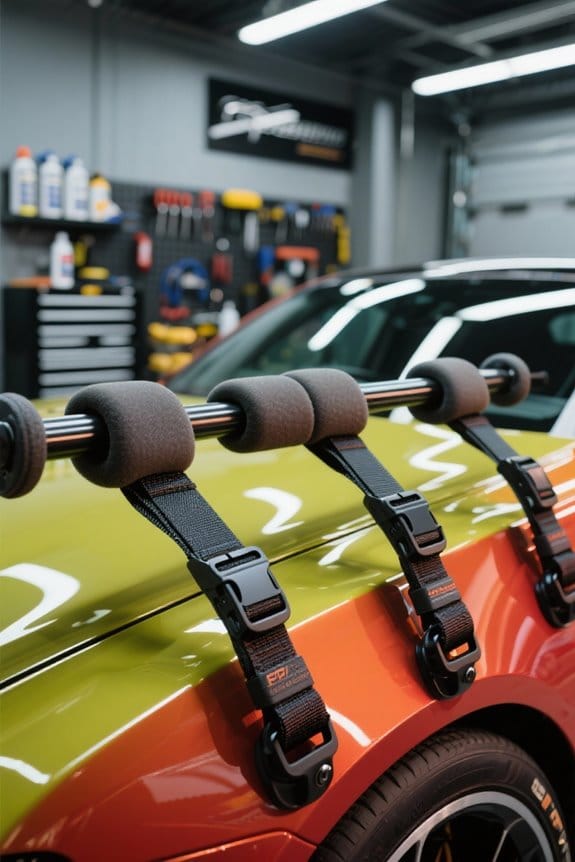
Bike‑On‑Car Etiquette: Protecting Paint And Glass From Straps

Protecting paint and glass from bike rack straps is essential. Many straps can scratch or damage surfaces during transport. To avoid this, use protective gear like foam pads and nylon fiber protectors at contact points. Clean the vehicle before securing the rack to reduce grit buildup. Tighten straps securely but avoid overtightening, which can cause harm. For long trips, consider using painter’s tape at contact areas. Implementing these practices will keep your vehicle looking great while you ride. Want to know more?
Key Takeaways
- Always clean the vehicle’s surface before applying straps to minimize scratch risks and debris accumulation.
- Use protective covers like foam pads or towels at contact points to prevent abrasion on paint and glass.
- Secure straps tightly but avoid overtightening to reduce pressure on vehicle surfaces and prevent damage.
- Regularly inspect your bike rack and straps for wear, ensuring they remain stable during transport.
- Consider removing the bike rack when not in use to prevent ongoing contact and potential paint damage.
Importance of Protecting Vehicle Surfaces
You may be interested


Protecting vehicle surfaces is essential for every bike enthusiast. When attaching a bike rack, scratches and paint damage can happen easily. These damages can lead to expensive repairs and lower resale value. To minimize risk, clean your vehicle’s surfaces regularly. Grit trapped in the straps can cause unwanted wear. Using protective covers, like painter’s tape or dedicated scratch protectors, can help shield your car during transport. Always guarantee the bike rack is installed correctly. Proper strap tension is key to reducing contact pressure on the vehicle. Consider using high-quality materials like nylon and PVC-free products to enhance durability and protection against scratches.
Common Causes of Vehicle Damage
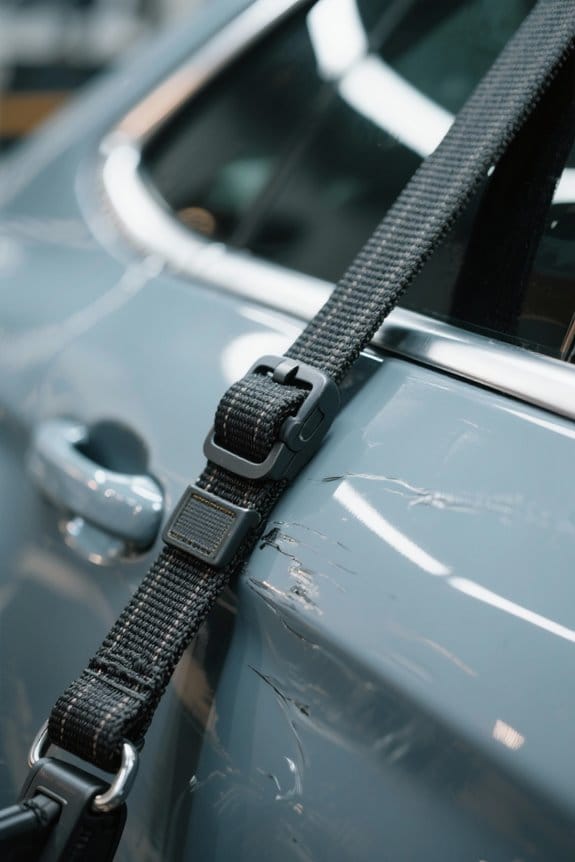
When loading bikes onto a vehicle, damage can happen faster than most think. Trunk-mounted bike racks are often the main culprits. These racks can scratch vehicle paint due to constant contact and movement while driving. If straps and hooks are not secured properly, or debris collects at contact points, paint can suffer. Foam pads or protective covers are vital; when used correctly, they minimize scratches. Although hitch-mounted racks present a lower risk, lack of proper securing can lead to bikes shifting and contacting the car body. Regularly cleaning the vehicle’s surface is also essential, as dirt trapped in straps can lead to wear over time. Simple precautions can protect your vehicle while you transport your bikes safely. Using high-quality materials like chrome vanadium steel in your tools can also ensure that any necessary repairs to racks or attachments are done effectively, safeguarding your vehicle from further damage.
Recommended Protective Gear
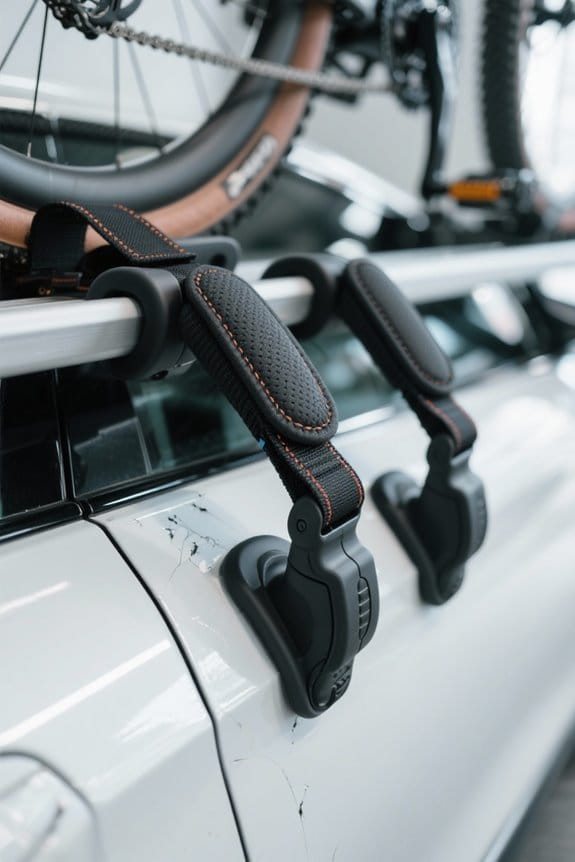
There are several effective protective gear options available for safeguarding a vehicle’s paint while transporting bikes. High-quality nylon fiber protectors work well against scratches from bike rack components. These protectors guarantee durability and stand up to wear and tear. Car scratch protectors designed for trunk bike racks often come with a hook-and-loop structure. This makes them easy to attach and remove without harming your car’s surface. Additionally, vinyl electrical tape and clear adhesive films can help prevent paint wear. They are easily found at local auto shops. Lastly, consider using padding like towels or rags between nylon straps and the car’s body. This simple practice offers extra protection and helps keep your vehicle looking sharp. Additionally, using a scratch-proof rear bumper protector can provide comprehensive coverage and prevent damage during transportation.
Recommended Products

【High quality silicone material】 Soft and flexible yet very durable. Prevents car damage from Trunk Mount Bike Carrier. Compatible with all rear hanging Racks that use webbing straps and metal hooks

【Complete Protection Kit】This combo includes 8pcs car scratch protector pads (tire tread pattern, non-slip) and 4pcs heavy-duty bike rack straps (23.6” x 1”, hook & loop). Perfect for securing your bike to a trunk rack while preventing scratches, collisions, and sliding.
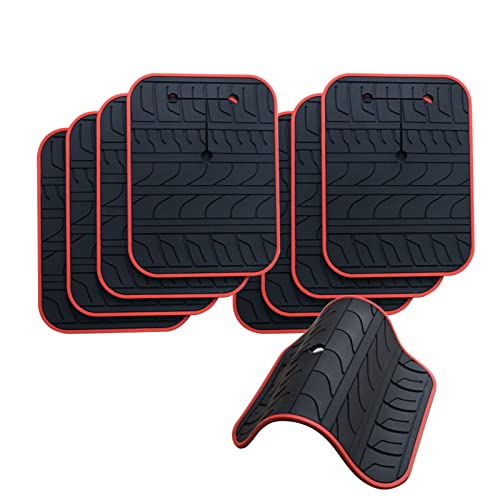
【High quality silicone material】 Soft and flexible yet very durable. Prevents car damage from Trunk Mount Bike Carrier. Compatible with all rear hanging Racks that use webbing straps and metal hooks
Proper Securing Techniques for Straps

Securing your bike to a car requires a few thoughtful steps to guarantee both safety and vehicle preservation. Always start by cleaning the vehicle’s surface to remove grit. This minimizes the risk of scratches when you apply the straps. Next, use protective covers, like cloth or foam pads, at contact points. This extra layer helps prevent abrasion and paint damage. Ensure the straps are tightened securely, but avoid overtightening, as this could harm the car. Regularly inspect the straps and mounting points to maintain stability and check for wear. For added protection, consider using non-aggressive tape, such as painter’s tape, on contact areas. These simple techniques can protect your car while keeping your bike secure during travel. Additionally, using durable materials in your strap selection can enhance stability and provide long-lasting use.
Recommended Products

Enhanced Stability and Protection: this set includes two support straps that offer extra stability for hook-style bike racks; Additionally, it comes with four pieces of car scratch protection film to safeguard your vehicle from paint damage; (Note: always remove the hook before opening or closing the hatch or trunk; ) Whether you're a dedicated mountain biker or a casual rider, this set addresses all your concerns effectively

✅ 【Extra Grip, No Slipping】Built with an extra-wide silicone anti-slip coating, these straps grip your bike frame and rims firmly—no sliding, no shifting, even on bumpy rides. The soft surface also helps prevent scratches and dents.

This anti-scratch protector is specially tailored to fit various luggage bicycle racks. It is compatiblewith all bicycle rack straps.
Choosing the Right Bike Rack
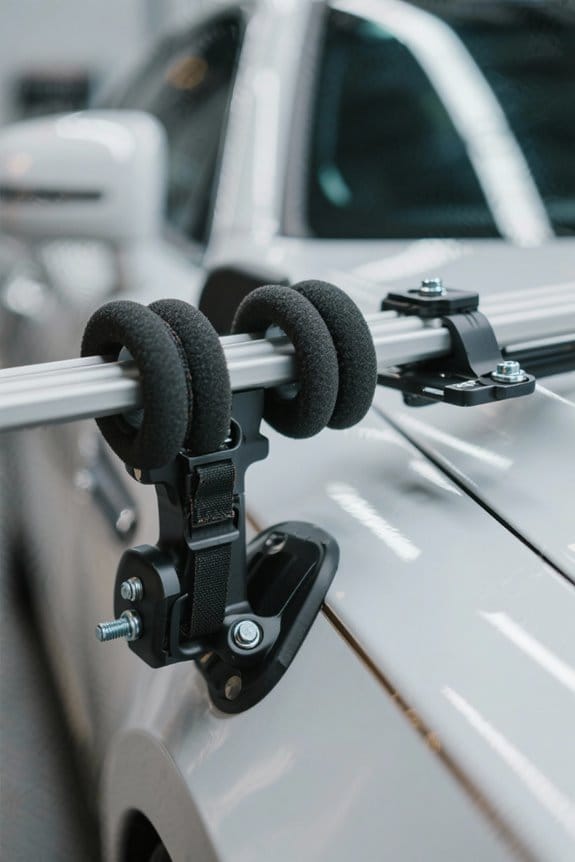
Choosing the right bike rack is essential for safe travels. When choosing a bike rack, consider the type that suits your vehicle best—trunk-mounted, hitch, or roof. Trunk racks are most likely to scratch your paint due to their contact with the vehicle. Make sure the bike rack fits your car’s dimensions to avoid accidental damage, especially with roof racks. Select bike racks that support bikes by the wheels instead of the frame. This reduces contact points and protects your bike and vehicle. Regular inspections are key. Check straps and padding for wear and tear. Consider protective covers or painter’s tape on contact points. Foam cannons, with adjustable spray patterns, can be useful for cleaning vehicles after removing a bike rack. These simple steps can lead to a smooth journey, free from cosmetic surprises.
Recommended Products

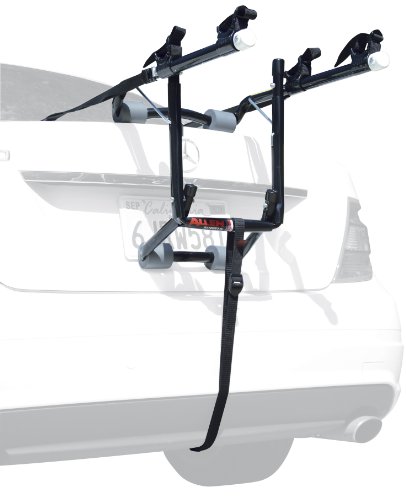
Patented Design Fits Sedans, Hatchbacks, Minivans, And Suv'S Consult Manufacturer Web Site For Specific Vehicle Fit Information.Comes fully assembled set up and installs in seconds 12 inch long carry arms easily accommodate a wide range of bicycle styles and 115 inch wide carry arms for greater bike compatibilityShips in certified frustration free packaging 70 pounds max capacityFolds fully flat for easy storage.Allen's warranty does not cover items purchased through third-party sellersImportant, please consult manufacturer web page for specific vehicle fit.Target gender : unisex.
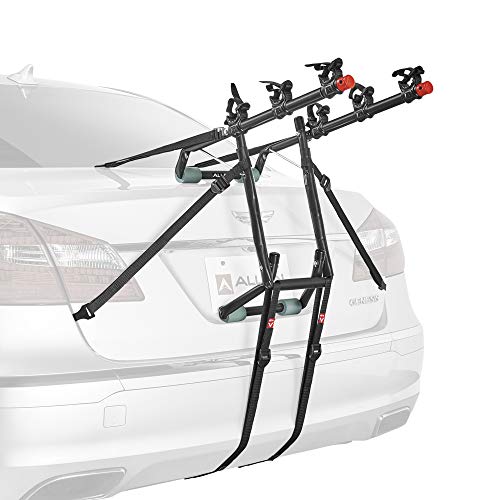
Simple, sturdy design fits most sedans, hatchbacks, minivans, and SUV's. Consult manufacturer's site for specific vehicle fit..Simple, sturdy design fits most sedans, hatchbacks, minivans, and SUV's. Consult manufacturer's site for specific vehicle fit.Single configuration design eliminates setup hassles and headaches during installationIndividual tie-downs secure and protect bicycles. Folds fully flat for easy storagePadded lower frame protects vehicle, and left and right side straps for lateral stability.Fully assembled, installs in seconds.Folds fully flat for easy storage.
Maintenance Tips for Your Vehicle
Maintaining a vehicle that frequently transports bikes is essential for preserving its appearance and longevity. Regular cleaning is vital. Dirt and grit can cause scratches, especially during bike transport. Use protective coverings, like painter’s tape, in areas where the bike rack contacts the vehicle. This minimizes wear from friction. Check the bike rack’s components for any signs of wear and tear, as loose parts can lead to damage. Consider removing the bike rack when not in use. This prevents unnecessary paint wear from constant contact. Adjustable wheel holders can accommodate a variety of wheelbases and help prevent movement during travel. Lastly, always be aware of your vehicle’s dimensions. Adjust your driving behavior to avoid low-hanging obstacles that could scratch your paint while the bike rack is attached. Keeping your vehicle safe is a priority!
Regular Vehicle Cleaning Practices
Caring for a vehicle that frequently carries bikes involves more than just checking the bike rack. Regular vehicle cleaning practices play an essential role in protecting car paint and overall appearance. Dirt, grit, and grime can get trapped in tie-downs or straps, leading to scratches. To combat this, wash your vehicle often, especially before loading the bike. Focus on contact points where straps make contact; keeping these clean minimizes paint damage. A smooth surface allows straps to grip without shifting, reducing wear on the paint. Additionally, consider using a good wax or sealant to provide an extra layer of protection. Consistent cleaning helps avoid long-term damage and keeps your car looking its best, so make it a routine habit! For optimal cleaning results, consider using a pH-balanced car wash soap that preserves existing wax and sealant layers while effectively lifting dirt and grime.
Importance of Vehicle Awareness During Transport
When transporting bikes, vehicle awareness can make a significant difference. Understanding the dimensions of your vehicle is key, especially with rear-mounted bike racks that add length. This knowledge can prevent mishaps while reversing. Always check the tension of bike straps. Loose straps can cause bikes to shift, leading to scratches or dents on your vehicle’s paint and glass. Before hitting the road, verify your bike rack and bikes are secure to avoid instability. Don’t forget to keep your vehicle clean. Dirt trapped between the rack and paint can cause unwanted scratches. Finally, if using roof-mounted racks, be mindful of the height, especially around low-clearance areas like drive-thrus or bridges. Vehicle awareness during transport protects both your bike and your car! Using ceramic materials for car coasters can help maintain a clean interior by absorbing moisture from spills, preventing damage to your vehicle’s surfaces.
Alternatives to Traditional Straps
Biking enthusiasts know the importance of securing their rides during transport. Traditional straps can damage the bike frame and paint. Fortunately, some alternatives offer protection. Voilé Straps, for instance, reduce friction on the bike frame, minimizing potential paint damage. High-pressure hose nozzles, like the VIKING Adjustable Nozzle, can also be used to efficiently clean dirt and debris from both the bike and vehicle surfaces before securing the bike, ensuring a clean transport. Other options include:
- Painter’s tape: This non-aggressive layer prevents scratches between straps and surfaces.
- Flexible magnetic sheets: They cushion against abrasion without sticking to the paint.
- Foam self-sealing pipe insulation: Repurpose it to pad straps, shielding both bike and vehicle.
- Cloth wraps: Old socks or rags can cover straps for extra protection against scratches.
These practical alternatives help keep bikes and cars looking their best while on the road.
Recommended Products

PREMIUM PADDING SET: Retrospec’s Pad Set is made from comfortable EVA padded foam and durable plastic to handle your hardest hits. Your elbows, knees, and wrists stay protected from bumps and falls.
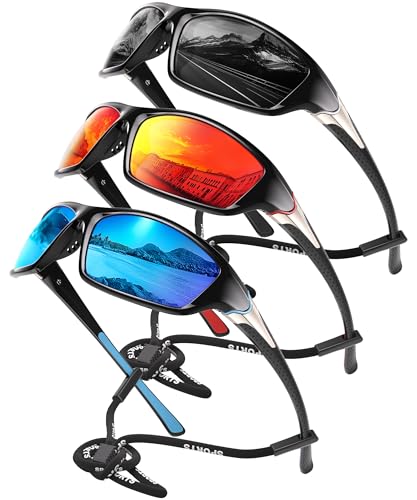
Streamlined Wrap-Around Design: Our cycling sunglasses feature an ergonomic wrap-around design, offering a secure and comfortable fit that stays firmly in place during high-intensity activities. The anti-slip temple design and included eyeglass cord enhance stability, preventing slippage during cycling, running, mountain climbing, and other demanding outdoor exercises.

Enhance your BMX bike's style and safety with the SE Bikes Wing Pad Set, featuring durable high-density foam padding covered in sleek, abrasion-resistant materials for long-lasting protection.
Best Practices for Long-Distance Transport
Long-distance transport of bikes requires careful planning to prevent damage and guarantee a safe journey. To protect your vehicle’s finish, start by cleaning the surface. Dust and dirt can scratch paint when straps are tightened. Use non-aggressive options like masking tape on contact points. Soft padding, such as towels, can also shield the vehicle from strap friction. When using a bike rack, double-check that all straps are tightened securely. This minimizes movement during transit, reducing the risk of damage. Lastly, if you’re using roof or trunk racks, assess their design. Make sure they are positioned to avoid contact with your vehicle’s glass and paint surfaces. Following these best practices guarantees a worry-free transport experience. Additionally, consider using durable, multi-layer materials for extra protection against potential damage during transport.
Recommended Products
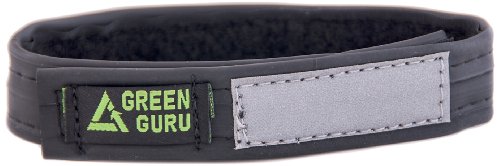
Made in Colorado, Built in USA from upcycled and vegan materials

Sturdy Material: These bike rack straps are made of sturdy nylon material which greatly improves grip and slip resistance. Adjustable buckle is made of high quality plastic, resistant to falling and has a long service life.

✅【WHAT’S THIS FOR】-Designed for securing your bicycle during transportation or storage, these adjustable bike straps for rack effectively stabilize and prevent your bicycle wheels from spinning. Measuring 26’’ long, our straps are suitable for most bikes, including mountain bikes, road bikes, children’s bikes, and even fat tire bikes. For larger applications, straps can be easily connected together.
Frequently Asked Questions
How to Protect Car Paint From Bike Rack?
To protect car paint from bike racks, one should utilize paint protection strategies such as painter’s tape, clear films, and wheel-supporting racks. Regular cleaning and inspecting of surfaces also help prevent scratches and damage.
Is It Legal to Block Your License Plate With a Bike Rack?
Blocking a license plate with a bike rack often violates license plate laws, risking fines. Many jurisdictions strictly enforce visibility requirements, leaving vehicle owners unaware of the legal implications lurking beneath their casual biking adventure.
How Do I Keep My Bike From Being Stolen on My Car Rack?
To enhance bike security on a car rack, always utilize a sturdy lock, preferably a U-lock, secure all removable parts, and consider discreet parking locations, GPS trackers, or alarms for added safety against theft.
What Is the Best Way to Carry Bikes on a Car?
The best way to carry bikes on a car involves utilizing appropriate bike rack types, such as trunk-mounted, hitch-mounted, or roof-mounted racks, ensuring secure installation and weight distribution to minimize damage risks during transit.