As an Amazon Associate, we earn from qualifying purchases. Some links on this site are affiliate links at no extra cost to you. Our recommendations are based on thorough research and editorial judgment.

Carpet Extraction Basics: Dwell Time, Agitation, And Dry Times

Carpet extraction focuses on three main aspects: dwell time, agitation, and dry times. Dwell time is how long a cleaning solution stays on the carpet, ideally 10-20 minutes for tough stains. Agitation, using tools like rotary brushes, helps lift dirt without chemical overload. Drying times vary based on the carpet type and moisture levels, usually requiring proper ventilation and airflow. For thorough cleaning, pay attention to these factors. There’s more to mastering carpet care ahead!
Key Takeaways
- Dwell time of 10 to 20 minutes is essential for effective soil breakdown and germ elimination in carpet cleaning.
- Agitation techniques like rotary brushes enhance cleaning by mechanically loosening soil from carpet fibers.
- Drying time varies based on factors such as cleaning method, carpet fiber, thickness, and environmental conditions.
- Use fans and dehumidifiers to expedite drying and ensure proper ventilation for moisture control post-cleaning.
- For long-term maintenance, schedule professional cleanings every 12 to 18 months and address spills promptly to prevent stains.
Understanding Dwell Time in Carpet Cleaning
You may be interested

When tackling carpet cleaning, understanding dwell time is vital for achieving effective results. Dwell time refers to how long a cleaning solution should stay wet on the carpet surface. This time allows the product to work its magic, killing germs and breaking down soil effectively.
Product selection is important because each cleaning agent has a specific dwell time indicated on its label. Common dwell times range from 30 seconds to 20 minutes. Aiming for a dwell time of 10 to 20 minutes is preferable for heavily soiled carpets.
It’s important to keep the surface visibly wet throughout this period. If it dries too soon, the cleaning product won’t function properly, and dirt or germs might remain. Always adhere to these guidelines for best results.
In addition, using eco-friendly compositions in cleaning products can contribute to a safer and more environmentally conscious cleaning process.
The Importance of Agitation
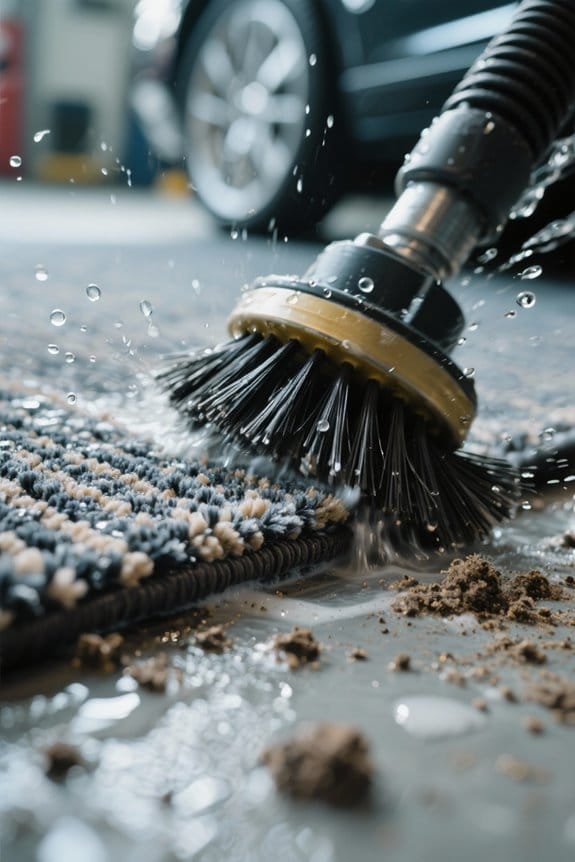
Agitation is a game changer in carpet cleaning. It involves the mechanical loosening of soil and particles from carpet fibers. Various agitation techniques, like rotary brushes and CRB machines, help break up compacted dirt. This process allows cleaning agents to penetrate deeper and work more effectively. The agitation effects are significant. By enhancing soil removal, it revives carpet fibers and restores their texture. Furthermore, it minimizes the need for harsh chemicals by promoting mechanical cleaning action. Lightweight design tools are also beneficial in other cleaning tasks by improving control and reducing user fatigue. Carpet cleaning professionals often combine agitation with dwell time and extraction for ideal results. Remember, the right amount of agitation is essential—too much can harm delicate fibers. Clean thoroughly, but always treat your carpet with care for the best outcome.
Recommended Products

EVERY PURCHASE SAVES PETS. Every purchase makes it possible for BISSELL to continue our support of BISSELL Pet Foundation and its mission of saving pets in need.
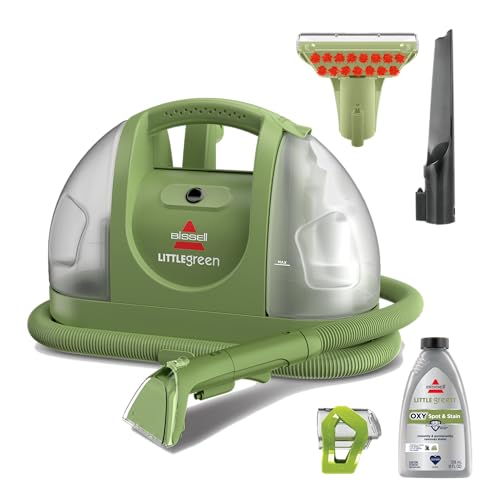
AMERICA'S #1 BRAND IN PORTABLE DEEP CLEANING: Trusted by over 7 million households.

EVERY PURCHASE SAVES PETS. Every purchase makes it possible for BISSELL to continue our support of BISSELL Pet Foundation and its mission of saving pets in need.
Factors Influencing Dry Times
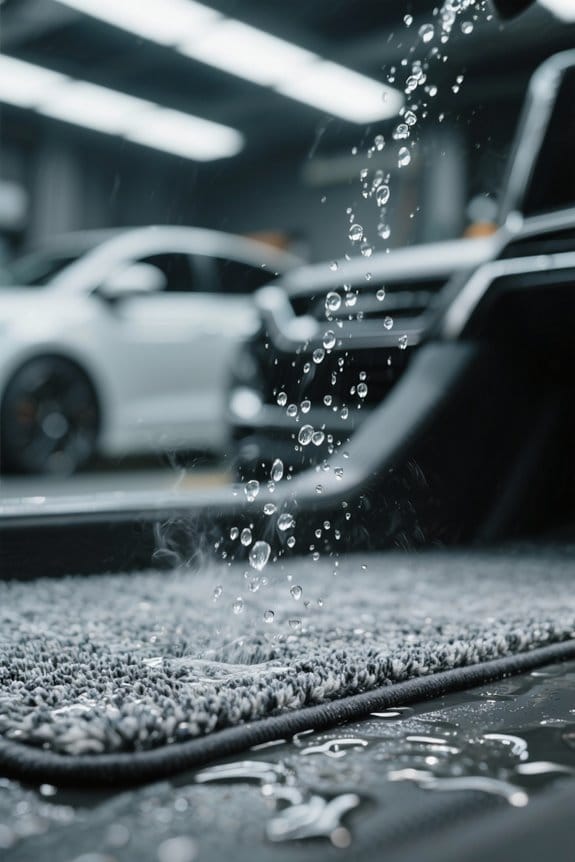
After effective agitation, the next important aspect of carpet cleaning is drying time. Several factors influence how quickly your carpet dries.
- Cleaning Method: Hot water extraction leaves more moisture than dry cleaning methods, affecting drying conditions.
- Material Matters: Synthetic fibers dry faster than natural fibers. Wool can be especially slow.
- Carpet Thickness: Thicker carpets hold more water, extending drying time.
- Environmental Factors: High humidity slows drying, while warm, dry air speeds it up. Poor ventilation can prolong the wait, too.
- Techniques Used: High-powered fans and dehumidifiers help reduce moisture.
Understanding these elements is key to achieving quicker drying times. By considering these factors, one can better manage expectations after cleaning. Additionally, leakproof designs in car trash cans are important for preventing spills and managing waste effectively while traveling.
Recommended Products

MADE FOR: A more efficient drying and cooling process
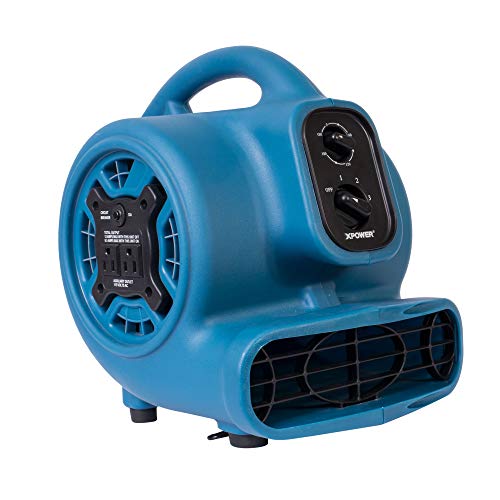
FASTER SURFACE DRYING–Speed-dry carpets, floors, furniture, windows, and walls with acentrifugal air mover! By producing a powerful, focused air current, the P-230AT is optimalfor drying flat surfaces and tight areas.

【High-Efficiency Floor Dryer】 This air mover blower fan features 3 adjustable speed settings, there are 1200/1400/1600 RPM you can ture.Ensuring maximum efficiency for quickly drying carpets, floors, furniture, windows, and walls, with an airflow of up to 1200 CFM.
Pre-Treatment Steps for Effective Extraction

To achieve an effective carpet extraction, pre-treatment steps play an essential role. First, gather all equipment needed, like vacuums and cleaning chemicals. Make sure to follow chemical safety protocols by using gloves and goggles.
Next, thoroughly vacuum the carpet to remove loose dirt. This helps improve the final cleaning results. Then, apply the appropriate pre-spray chemicals based on soil types—alkaline detergents work well for organic stains.
After applying the pre-spray, allow it to dwell for 10 to 20 minutes. This time is vital as it helps break down dirt and oils. Consider using products with low heat emission to ensure safety during the cleaning process.
Lastly, agitate the carpet fibers with brushes to loosen embedded soils, ensuring easier extraction later. Following these steps leads to clean carpets and a job well done.
Recommended Products

DESTROYS STUBBORN STAINS THE FIRST TIME: Penetrates deep to lift and remove tough pet stains.
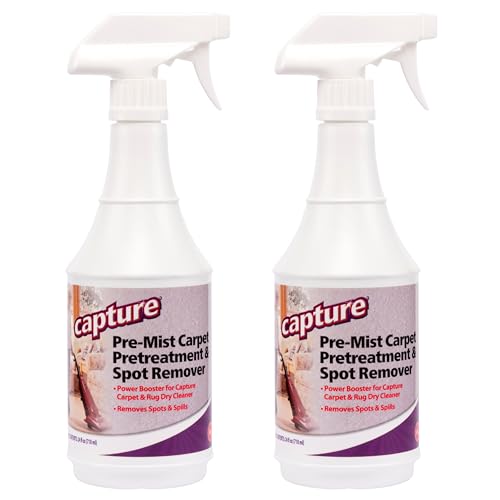
ADVANCED CARPET PRETREATMENT SPRAY: Carpet Pretreat Spray is a Power Booster for Capture Carpet and Rug Dry Cleaner to lift out new and old stains, remove spots and spill & neutralize odors, leaving carpet soft and smelling fresh.

ADVANCED CARPET PRETREATMENT SPRAY: Carpet Pretreat Spray is a Power Booster for Capture Carpet and Rug Dry Cleaner to lift out new and old stains, remove spots and spill & neutralize odors, leaving carpet soft and smelling fresh.
Techniques and Equipment for Carpet Extraction
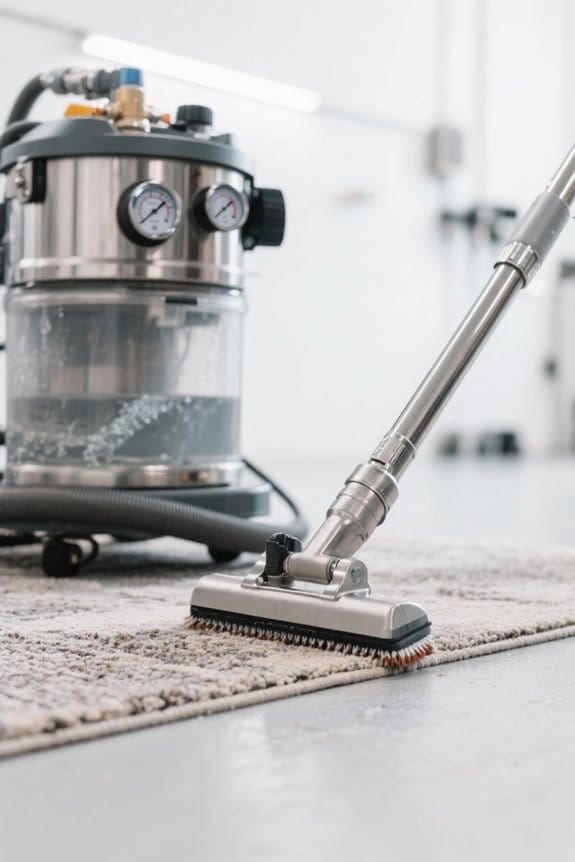
Carpet extraction requires the right techniques and equipment to achieve sparkling results. Selecting the appropriate extractor is vital. Portable extractors are perfect for small areas, while ride-on models excel in large spaces. Each type has unique benefits tailored to different cleaning needs. Additionally, effective agitation techniques, such as using rotary brushes or manual wands, enhance dirt removal. Remember, over-agitation can harm fragile carpets. Regular extractor maintenance is essential to keep your equipment in top shape and extend its lifespan. Choose machines with features that reduce water use and dry times. High-efficiency models can cut dry times considerably, promoting quicker service return. By combining the right equipment selection and smart cleaning techniques, your carpets will look pristine and last longer. It’s important to ensure that the equipment used has safety certifications to guarantee reliability and prevent any electrical issues.
Recommended Products

Country Of Origin : China

PROFESSIONAL-LEVEL STAIN REMOVAL AT HOME: Achieve pro results without the cost with the Hoover PowerScrub. Five counter-rotating SpinScrub brushes attack stains from multiple angles while HeatForce technology provides faster drying.

Professional textile cleaning: The Kärcher Puzzi 10/1 is a professional-grade carpet, upholstery, and textile flooring cleaner designed to deliver effective and thorough cleaning results
Best Practices for Post-Extraction Care
Ensuring the right care after carpet extraction is essential for maintaining its beauty and longevity. Start by promoting moisture control through proper ventilation. Open windows and use fans to speed up drying. It’s crucial to wait at least one to three hours before walking on the carpet. Delay replacing furniture until the carpet is fully dry to prevent stains. Implement a consistent cleaning schedule, ideally quarterly for high-traffic areas, to keep carpets in their best shape. Grooming the fibers helps restore appearance, and using carpet protectants can keep future stains at bay. Finally, educate everyone in the space about maintaining cleanliness while the carpet dries, ensuring it lasts longer. These practices will contribute to the carpet’s overall health and longevity.
Balancing Dwell Time and Agitation
After the right post-extraction care, the focus shifts to effective cleaning techniques, specifically balancing dwell time and agitation. Dwell time is essential, allowing cleaning solutions to penetrate carpet fibers and loosen soil. Ideally, this takes 5–20 minutes, depending on product and soil level. Insufficient dwell time can hinder cleaning efficiency. On the other hand, agitation techniques like brushing or scrubbing help lift dirt from those fibers. The proper sequence is to apply the solution, allow for dwell time, then agitate before extraction. However, reducing dwell time requires boosting agitation to maintain effectiveness. Finding the right balance prevents re-soiling or damaging your carpet. Understanding dwell optimization and agitation techniques leads to a cleaner, healthier carpet every time. Many carpet cleaners, like the Hoover PowerDash, feature technologies that enhance drying speed, ensuring quicker use of the cleaned area.
Reducing Dry Times Post-Cleaning
When it comes to reducing drying times after cleaning, several factors come into play. Equipment selection is vital. Truckmounted extractors work better than portable units. Using 2-inch vacuum hoses boosts airflow and extraction efficiency. High-powered vacuums can remove around 95% of water quickly. Airflow adjustments are equally important. Position oscillating fans over wet carpets to speed evaporation by up to 30%. Create a cross-breeze by opening windows for better airflow. Using dehumidifiers also helps by lowering indoor humidity, which allows carpets to dry faster. Additionally, selecting compact air compressors with a maximum pressure of 150 PSI can aid in inflating tools and equipment needed for drying processes efficiently. Lastly, consider the temperature. Warmer water during extraction enhances evaporation. Maintaining room temperatures between 70-75°F optimizes drying conditions. Implementing these drying techniques will guarantee carpets dry quickly and efficiently.
Recommended Products

3 Blow Speeds: Power: 1/4 hp, 115V/60Hz. This carpet dryer offers three adjustable airflow options: 600, 800, and 1000 CFM. With its high-velocity airflow, our blower fan can effectively cool, ventilate, exhaust, and dry a space. It brings in fresh air, making you feel cool and relaxed.

[POWERFUL AIR FLOW] – Generates air speeds up to 32mph to keep you cool during the toughest workout.
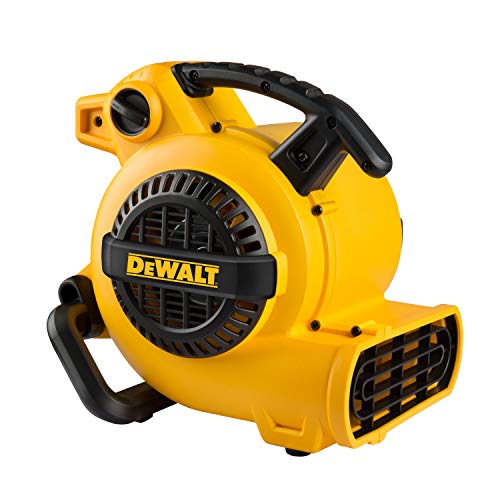
ULTRA POWERFUL - With a powerful heavy duty motor for leading performance and multiple-purpose design for all kinds of scenarios, this excellent air mover get troubles into a breeze
Long-Term Carpet Maintenance Strategies
Taking care of carpets involves more than just regular cleaning; it requires a thoughtful approach to maintenance. For ideal carpet longevity, employ these carpet longevity tips.
- Use entrance mats to trap dirt and limit soil.
- Vacuum high-traffic areas 2–3 times a week with a HEPA-filter vacuum.
- Address spills immediately by blotting with a white cloth.
- Periodically rotate furniture to prevent fiber matting.
- Schedule professional cleanings every 12 to 18 months.
Additionally, consider using foam applicator pads for applying carpet cleaning solutions evenly, as they ensure smooth and even product application across different surfaces. Also, maintain a no-shoes policy inside your home. This habit greatly reduces tracked dirt. Monitoring your carpet’s condition is equally important. Recognize signs like persistent odors or excessive wear, which indicate it might be time to replace. With proper care, your carpets can last years while looking great!
Frequently Asked Questions
What Types of Carpets Require Special Extraction Techniques?
Special extraction techniques are essential for carpets made of special fibers, such as vintage carpets. Their delicate nature necessitates low-moisture, gentle methods to prevent damage and preserve the integrity of the intricate designs and weaves.
Can I Perform Carpet Extraction Myself?
While DIY extraction offers a cost-effective path, akin to wielding a paintbrush on a masterpiece, it often falls short in carpet maintenance. Professional methods guarantee deep cleaning and exceptional results, especially for challenging stains and conditions.
How Often Should I Have My Carpets Professionally Extracted?
Homeowners should follow frequency guidelines for professional carpet extraction, which recommend cleaning every 6-12 months for low-traffic areas, 3-6 months for moderate traffic, and every 1-3 months for high-traffic environments or households with pets.
What Are the Signs My Carpet Needs Extraction Cleaning?
Like a forgotten treasure chest, carpets can collect foul odors and visible stains, signaling the need for extraction cleaning. Signs include persistent discoloration, lingering smells, and allergens that regular cleaning efforts cannot effectively address.
Are There Eco-Friendly Options for Carpet Extraction Cleaning?
There are eco-friendly options for carpet extraction cleaning, including the use of sustainable products such as biodegradable cleaning agents and plant-based solutions. These alternatives minimize environmental impact while effectively maintaining carpet cleanliness.