As an Amazon Associate, we earn from qualifying purchases. Some links on this site are affiliate links at no extra cost to you. Our recommendations are based on thorough research and editorial judgment.

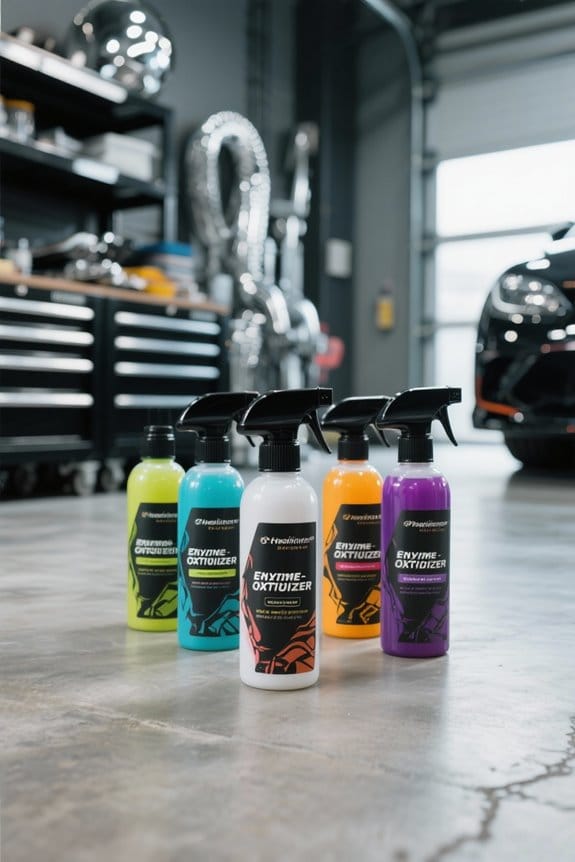
Enzyme vs. Oxidizer Odor Treatments: Picking The Right Approach

When dealing with odors, enzyme and oxidizer treatments each have their perks. Enzymes break down odor-causing compounds, especially from organic sources like pet urine. They work slowly but offer lasting results. Oxidizers, on the other hand, tackle odors immediately by altering their chemical structure. They’re quick but often need reapplication. For the best results, consider using oxidizers for an instant fix, followed by enzymes to tackle lingering smells. Discover more about combining these methods for superior odor control.
Key Takeaways
- Enzyme treatments break down protein-based odors through a natural process, making them eco-friendly and safe for homes with pets and children.
- Oxidizers act quickly by altering odor molecules at a molecular level, providing immediate relief from strong odors like smoke and pet smells.
- Enzymes offer longer-lasting effects as they continue to decompose odors over time, while oxidizers may require reapplication within days for effectiveness.
- Combining both methods—using oxidizers for immediate odor control followed by enzymes for ongoing breakdown—can enhance overall odor removal results.
- Always ensure proper safety measures; enzymes can irritate skin or eyes, while oxidizers may affect indoor air quality if used excessively.
Understanding Enzyme Odor Treatments
You may be interested

When it comes to tackling unpleasant odors, understanding enzyme odor treatments can make a world of difference. These treatments use protein molecules called enzymes that speed up chemical reactions to eliminate odor-causing compounds effectively. Key enzyme types include proteolytic enzymes, great for breaking down protein-based odors from pet urine and organic matter. They work through a “lock and key” mechanism, targeting and decomposing complex organic waste into simpler, less-smelly components. This process not only neutralizes odors but also guarantees a cleaner, fresher space. Enzyme treatments are eco-friendly, deriving from microorganisms that naturally produce these enzymes. They provide a safe alternative to harsh chemicals, making them suitable for homes with pets and children. Additionally, using environmentally friendly enzyme treatments aligns with sustainable practices, much like choosing electric cordless leaf blowers over gas models.
How Oxidizers Function in Odor Removal
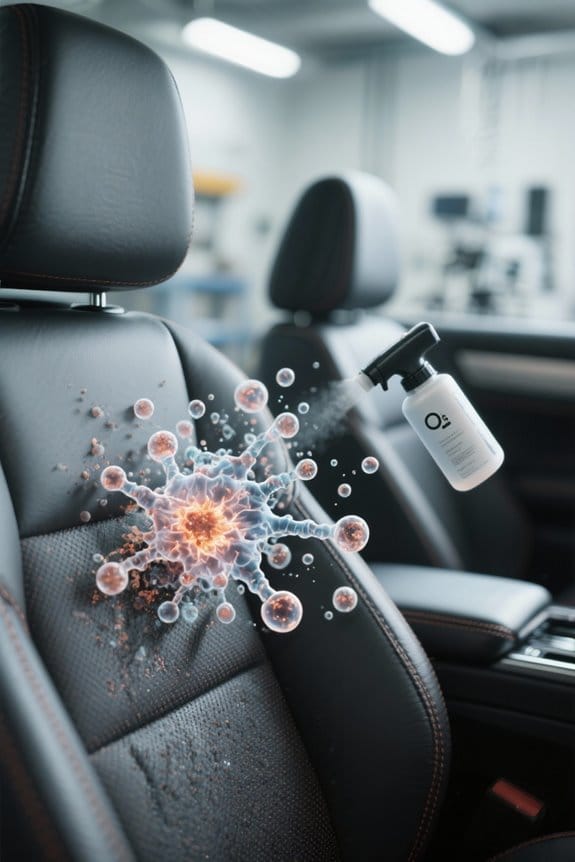
Oxidizers offer a powerful approach to eliminating stubborn odors. They function by using oxidizer mechanisms that involve breaking down odor molecules at a molecular level. This process changes their chemical structure, turning complex odors into simpler, odorless substances. Ozone, for instance, is an aggressive oxidizer that tackles smells from smoke and pets effectively. Chlorine dioxide and hydrogen peroxide also neutralize odors, especially in industrial settings. Oxidizers can reduce odors by up to 80% in controlled environments, although results may vary. They work on both organic and inorganic sources, though some odors can remain, especially in polluted areas. Ozone generators are applicable in industrial settings as well as residential environments. Always remember to follow safety guidelines when using oxidizers to protect your health and environment.
Recommended Products

【Dual Turbo Fan System | Powerful Air Purification】Featuring front-and-rear dual turbo fans with a massive ozone output of 198,000 mg/h, this system delivers ozone faster and farther than single-fan models. It increases air purification speed by 60% and extends coverage by 50%, reaching up to 6,000 sq. ft. The system rapidly eliminates odors and restores clean, breathable air, ideal for large spaces

【𝗦𝗮𝘆 𝗚𝗼𝗼𝗱𝗯𝘆𝗲 𝗧𝗼 𝗕𝗮𝗱 𝗦𝗺𝗲𝗹𝗹𝘀】This ozone machine eliminates odors of home, pets, cars, cooking and other odors in home/car. It is highly suitable for various spaces, such as cars, boats, dumpsters, kitchens, bathrooms, basements, and so on.
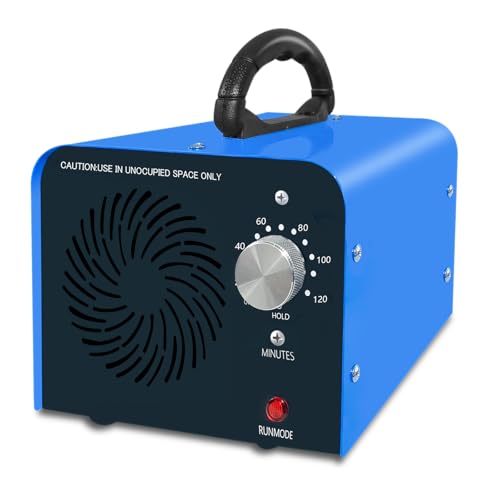
Powerful Ozone Output: Produces 280,000 mg/h of ozone to effectively eliminate tough odors from smoke, pets, cooking, vehicles and new renovations, leaving the air clean and fresh.
Speed of Action: Enzymes vs. Oxidizers
Understanding how quickly odor treatments act can be a game-changer in your cleaning routine. For immediate effectiveness, oxidizers like hydrogen peroxide shine. They start reacting instantly upon contact, creating noticeable fizzing that signals rapid odor breakdown through a swift oxidation process.
In contrast, enzymes operate at a slower pace. Their enzyme activity involves a biological digestion process, needing hours to days for thorough odor removal. While oxidizers are excellent for instant needs, they often require repeated applications for deeper odors.
On the flip side, enzymes may not react quickly, but they offer ongoing breakdown of odor sources over time. Choosing the right method depends on whether you need fast fixes or long-lasting results. True HEPA filters capture 99.97% of pollutants, ensuring cleaner air over time in various settings.
Duration of Effectiveness in Odor Control

Duration of effectiveness in odor control is crucial for maintaining a fresh and clean environment. Enzyme treatments work as long as organic matter remains. Their effectiveness can decline, especially on porous surfaces. For example, breaking down pet urine odors can take up to 72 hours. Additionally, older stains may require repeated applications for best results. On the other hand, oxidizers provide quick relief by chemically altering odor molecules. However, they often require reapplication within days as they don’t consume organic matter. Factors like surface type and environmental conditions, such as humidity, play a role in how long each treatment lasts. Understanding these dynamics is essential for making informed choices, just like utilizing proper encryption methods for data compliance in tech decisions. Many enzyme odor removers are biodegradable formulations that effectively eliminate odors without leaving harmful residues.
Best Applications for Enzymes

Enzyme cleaners are incredibly useful in a variety of situations, making them a go-to choice for many homeowners and pet owners alike. These cleaners shine in the following best enzyme applications:
- Pet Stains: Effective against urine, feces, and vomit, they eliminate odors at the source.
- Food Spills: Enzymes target and break down protein and greasy stains, making cleanups easier.
- Blood Stains: Protease enzymes work wonders on both fresh and dried blood, ensuring thorough removal.
- Mold Prevention: By breaking down organic matter, they reduce food sources for mold.
With impressive enzyme effectiveness, these cleaners penetrate deep into surfaces, ensuring a clean home environment. Their safe formulation makes them ideal for carpets, upholstery, and even food contact surfaces after rinsing. Additionally, USDA biobased ingredients in some cleaners help in reducing harmful chemical exposure while maintaining safety for households with pets and children.
Recommended Products

STAIN AND ODOR REMOVER: Bac-Out safely works wonders on pet accidents, wine spills on carpets and couches, cloth diapers and pails, laundry, disposals, garbage cans and much more.

Nature’s Miracle Stain and Odor Remover Dog, 32 Ounces, Everyday Mess Enzymatic Odor Control Formula
SPOT STAIN & ODOR REMOVER: Begins to break down and remove stains immediately on contact.

Certified Gentle & Safe Pet Carpet Cleaner Solution: Chlorine free, color safe, no hazardous propellants or residue; safe to use around pets and children; certified safe for all carpets with a Seal of Approval by the Carpet and Rug Institute (CRI)
Ideal Uses for Oxidizers
Oxidizers offer powerful solutions for tackling stubborn odors in various environments. They excel in industrial applications, such as cleaning up air emissions with high efficiency. In healthcare environments, chlorine dioxide deodorizes medical waste smells and guarantees strict hygiene. Household solutions like ozone effectively eliminate pet odors and cooking smells, targeting the source rather than just covering it up. This method guarantees long-lasting results, unlike simple sprays that merely mask odors. For quick fixes, products like GCPRO oxidizer act rapidly upon contact. Oxidizers also address challenges in sewage treatment, improving air quality for nearby residents. Their versatile use covers a range of spaces, making them a reliable choice for odor management everywhere, from homes to hospitals. For car enthusiasts, using a headlight restoration kit can enhance nighttime driving safety by improving visibility through restoring clarity and aesthetics of oxidized and yellowed headlights.
Recommended Products
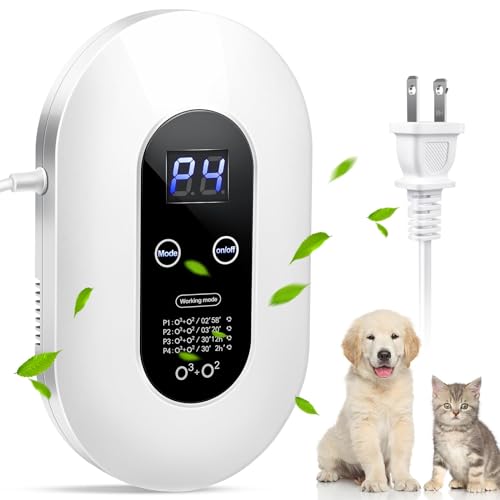
Fast Deodorization: Ozone odor eliminator features an active oxygen output of 200mg/h for professional, fast deodorization. It effectively removes bathroom odors, pet smells, kitchen fumes, smoke, and formaldehyde from new house decorations. Enhance your living environment with this efficient odor eliminator.

High Ozone Output: With a maximum ozone output of 160,000mg/h, this advanced ozone generator uses highly conductive paste and ceramic coating technology to produce ozone more efficiently than most machines on the market. It can cover an area of up to 5,000 sq. ft., making it ideal for large spaces.

⚠️CRITICAL SAFETY WARNING - READ BEFORE USE: ⚠️Ozone will emit a strong pungent odor when used. Please ensure that there are no personnel, pets, or plants present. ⚠️Before processing, clean up the source of the odor.Clean up and ventilate for at least one hour ⚠️Not available for use in California
Safety Considerations When Using Enzymes
When using enzyme cleaners, safety should always come first. These products can cause serious eye irritation. If contact occurs, flush your eyes immediately with water. Skin exposure can also lead to mild irritation or allergic reactions. Wearing gloves is a smart choice to protect your hands.
Inhalation risks arise if you’re in a poorly ventilated area. It’s best to use enzyme cleaners in well-ventilated spaces to avoid respiratory discomfort.
Ingestion hazards are critical to take into account; never ingest these cleaners. If swallowed, rinse the mouth and seek medical help.
For general safety, always read the label. Store cleaners securely and keep them out of reach of children. Products like acid-free and pH-balanced brake dust removers are also formulated to reduce risk to surfaces, highlighting the importance of choosing the right cleaner for your needs. Proper precautions guarantee effective use while keeping everyone safe.
Environmental Impact of Oxidizer Treatments
In the quest for odor control, the environmental impact of oxidizer treatments comes into play. These treatments use agents like ozone and hydrogen peroxide, which break down odors into simpler compounds. While effective, they can also produce irritants and pollute the air if not managed properly. Regular replacement of engine air filters is crucial for maintaining engine health and improving performance. Oxidizers release chemicals that may harm ecosystems. Ozone can produce volatile organic compounds (VOCs), worsening indoor air quality.
Regenerative Thermal Oxidizers (RTOs) offer some environmental benefits, as they convert pollutants into harmless products. However, they are energy-intensive, raising concerns about their carbon footprint.
Limitations of Enzyme Odor Treatments
Enzyme odor treatments can be a useful tool in tackling unpleasant smells, but they come with their own set of limitations. One major issue is incomplete odor removal, especially with old stains. Enzyme sensitivity can vary, often resulting in inconsistent results. Additionally, these treatments may leave a sticky residue if not rinsed thoroughly, causing dirt to accumulate over time. Users may also face enzyme limitations; different enzymes target specific stains, requiring multiple products for complex messes. Moreover, enzyme treatments take longer to work. Quick solutions may not be found here. Finally, storage can be tricky. Enzymes degrade faster than chemical alternatives, making them less convenient. These factors make it essential to evaluate alternatives like oxidizers for certain situations. Additionally, using storage solutions like hanging storage bags can help keep enzyme products organized and easily accessible, reducing clutter and ensuring they are stored properly to maintain their effectiveness.
Challenges With Oxidizer Applications
One of the significant challenges with oxidizer applications involves their limited ability to penetrate various materials. Ozone can effectively target odor molecules, but it only interacts with those it directly contacts. This lack of deep penetration means odors trapped in fabrics, drywall, or HVAC systems often remain untreated. Moreover, ozone safety is a major concern. The levels needed for effective odor control can exceed safe exposure limits, posing respiratory risks to humans and pets. Residual ozone can linger, affecting indoor air quality long after treatment. Additionally, operational costs can be high. Ozone generators require technical maintenance, and their energy consumption can add up quickly. For those considering alternative solutions, programmable alarms in battery monitors ensure immediate attention to potential issues, showcasing a proactive approach in related technologies. As a result, these factors limit the overall oxidizer effectiveness in practical applications for odor remediation.
Practical Recommendations for Odor Remediation
Finding the right approach to eliminate stubborn odors can be quite the endeavor. To guarantee effective odor remediation, it’s essential to follow best practices for both enzyme and oxidizer treatments.
For enzyme products:
- Apply with a spray bottle or cloth for deep penetration in carpets or upholstery.
- Allow several hours to overnight for the enzymes to break down odors fully.
- Look for certified products for guaranteed safety and performance.
For oxidizers:
- Use spraying or fogging methods for quick results in hard surfaces.
- Test on inconspicuous areas to avoid damage.
- Maintain ventilation to keep indoor air quality in check.
Careful product selection will enhance your odor treatment success and create a fresher environment.
Recommended Products

Completely Eliminate Odors & Stains: Our ready-to-use Advanced Pet Odor Eliminator Sprays target the source of animal messes, Lifting Stains and Removing Smells, leaving behind only a Pleasant Citrus Oil Scent! Compare to other products that only mask the problem instead of actually deodorizing

Zep commercial air and fabric odor eliminator eliminates bad odors at the source

FOR SEVERE DOG MESSES: Powerful enzymatic formula works to eliminate tough stains and odors from dog urine, diarrhea, vomit and other bio-based accidents.
Combining Enzymes and Oxidizers for Optimal Results
Combining enzymes and oxidizers offers a smart solution for tackling tough odors. This combination strategy effectively utilizes treatment synergy for thorough odor control. Enzymes break down organic materials, while oxidizers quickly neutralize odor molecules.
Here’s how to apply them:
- First, use the oxidizer. It works fast, knocking down odor right away.
- Wait for about 30-45 minutes until the oxidizer dissipates.
- Next, apply the enzymes. They’ll digest leftover residues, ensuring long-lasting results.
This method targets various surfaces, from porous carpets to hard floors. Plus, it helps prevent odors from returning by removing the bacteria’s food sources. Together, they create a more effective and safer odor treatment method without harsh chemicals.
Recommended Products

Powerful Bio Enzymatic Cleaner: ACTIVE Laundry Odor Removers Boost your normal laundry detergent to effectively target Stains & Odors, not mask them like washing soda or in-wash scent boosters. It uses Lab-proven Biological Cleaning to remove laundry odor & strong smell

Certified Gentle & Safe Pet Carpet Cleaner Solution: Chlorine free, color safe, no hazardous propellants or residue; safe to use around pets and children; certified safe for all carpets with a Seal of Approval by the Carpet and Rug Institute (CRI)

STAIN AND UNWANTED SMELL REMOVER: Clorox Urine Remover for Stains and Unwanted smell breaks down urine to eliminate Unwanted smell, not mask it, while the powerful hydrogen peroxide cleaner removes stains
Frequently Asked Questions
Can Enzymes Eliminate Odors From Synthetic Materials?
Enzymes lack the effectiveness necessary to eliminate odors from synthetic materials. Their action targets organic matter, leaving persistent odors from volatile organic compounds and other sources unaffected, emphasizing the limitations of enzymatic treatments on synthetic substrates.
Are Oxidizers Effective Against Mold or Mildew Odors?
Oxidizers boast over 90% effectiveness in mold remediation by breaking down odorous compounds. Their ability to penetrate porous materials enhances their effectiveness against mold and mildew odors, providing a thorough solution for odor elimination.
How Often Should Enzyme Treatments Be Reapplied?
Frequency recommendations suggest reapplying enzyme treatments every 24 to 48 hours for persistent odors, ensuring treatment longevity. For effective results, initial applications should be thorough, while regular maintenance prevents buildup and reduces overall reapplication necessity.
Do Oxidizers Require Rinsing After Application?
After oxidizer use, rinsing depends on application methods. Ozone, a fleeting specter, leaves no trace and requires no rinsing, while stronger liquids may demand careful rinsing to preserve surfaces and guarantee safety, preventing unwanted remnants.
Are There Any Specific Storage Requirements for These Products?
Both enzyme and oxidizer odor treatments have specific storage requirements that affect their temperature sensitivity and shelf life. Maintaining appropriate storage conditions prevents degradation, ensuring ideal functionality and longevity for these products. Proper sealing is essential.