As an Amazon Associate, we earn from qualifying purchases. Some links on this site are affiliate links at no extra cost to you. Our recommendations are based on thorough research and editorial judgment.

Drying Methods Compared: Twisted Loop Towels, Forced Air, And Chamois

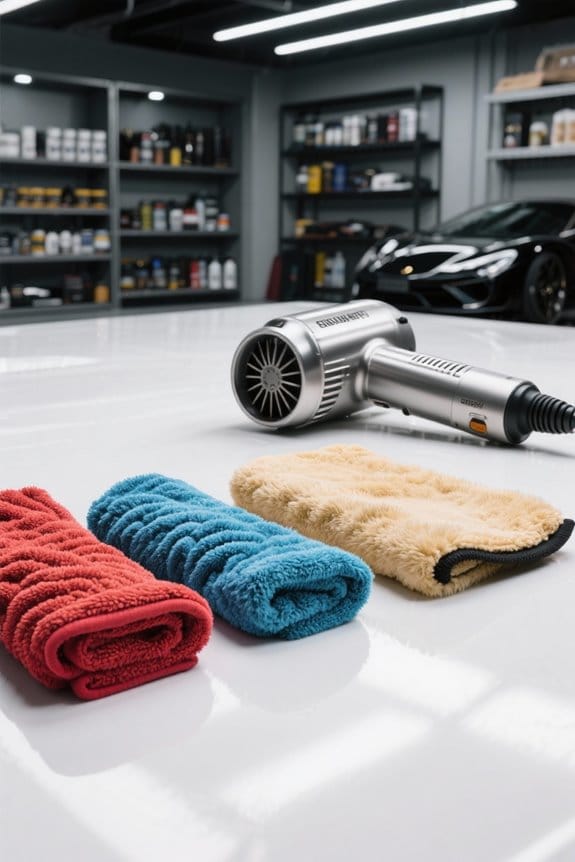
When comparing drying methods, twisted loop towels stand out for their high absorption and unique design. They hold 700-1200 mL of water, reducing the risk of scratches. Forced air systems effectively dry larger vehicles without physical effort but struggle in tight spaces. Chamois towels, though traditional, absorb less and can leave streaks. Each method has merits, so consider the surface and conditions. Stick around, and you’ll discover more tips on getting the best drying results for your vehicle.
Key Takeaways
- Twisted loop towels have superior absorption (700-1200 mL) and effectively dry painted surfaces in one pass, reducing swirl marks.
- Forced air drying uses high-velocity airflow, ideal for larger vehicles, though it struggles to access tight spaces.
- Chamois towels, both genuine and synthetic, absorb less water (400-500 mL) and may leave streaks, making them less efficient today.
- Twisted loop towels feature an edgeless design that minimizes scratches, which is crucial for maintaining a vehicle’s finish.
- Comparatively, waffle weave towels are recommended for glass surfaces to manage streaks better than chamois.
Overview of Drying Methods
You may be interested

When it comes to drying a vehicle, the method chosen can make a world of difference in the outcome. Various drying methods exist, including twisted loop towels, forced air drying, and traditional chamois towels.
Twisted loop towels are made from high-GSM microfiber, offering superior drying efficiency with absorption rates of 700-1200 mL. They excel in preventing water spots by speeding up drying time. On the other hand, chamois towels, which absorb only 400-500 mL, can leave streaks due to debris trapping.
Forced air drying systems utilize high-velocity air, minimizing scratches and preserving delicate paint. Each method has its merits, but tests in harsh conditions show that twisted loop towels consistently outperform other options, providing excellent vehicle protection when drying. Additionally, using a microfiber wash mitt can enhance lubrication and dirt removal during the washing process, further contributing to a scratch-free shine.
Twisted Loop Towels: Performance and Benefits
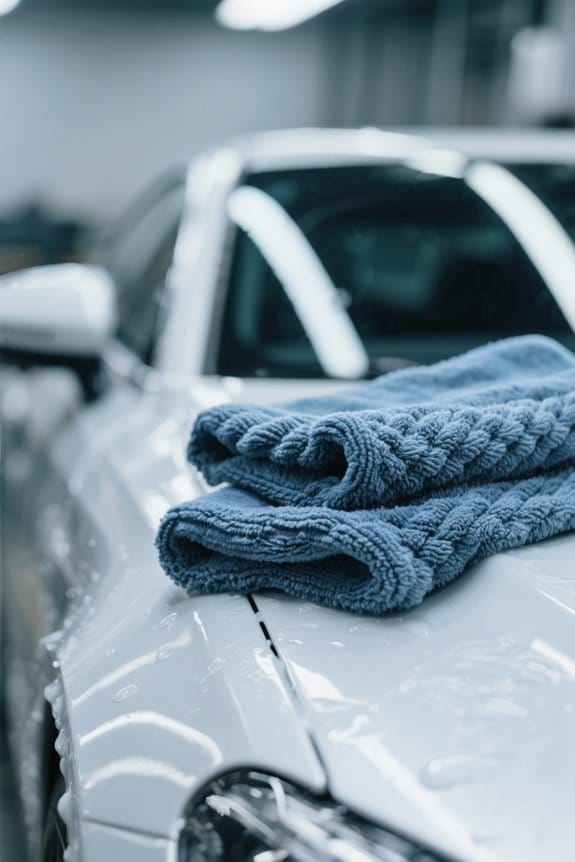
Twisted loop towels stand out as a top choice for drying vehicles effectively. With a high GSM of 900-1200, these towels absorb 700-1200 mL of water easily. Their unique twisted loop design enhances water pickup while minimizing contact with the paint surface, ensuring a scratch-free drying experience. These towels cater to a range of vehicle sizes, from compact cars to larger SUVs. The edgeless design reduces the risk of micro-scratches, preserving the vehicle’s finish. Using the drag method with twisted loop towels allows for light tension, speeding up the drying process and minimizing swirl marks. Ultra-soft materials and specific designs help prevent scratches on surfaces, which is crucial for maintaining vehicle aesthetics. This combination of efficient performance and thoughtful design makes twisted loop towels an excellent choice for any car enthusiast.
Recommended Products

The One-Towel Solution: Boasting a 48x24-inch size—larger than the standard 36x24-inch towels on the market—our microfiber towels offers superior coverage and drying efficiency. Easily dry a full-size cars, trucks, and SUVs without the need for wringing, cutting your dry time in half, ditch the small towels!

1 TOWEL DRIES THE WHOLE CAR: Dry your entire car or truck in just one stroke with this super soft twisted loop microfiber drying towel - no wringing out required! We call it Mega because it absorbs more water than other drying towels, which means no streaks, no smears, and no spots! Just a more efficient and effective drying experience and a clean, shiny vehicle.

Ultra-Fast Absorption: Our 1200GSM car drying towel with Twisted-Loop technology absorbs water 6x faster than standard drying towels. Capable of drying your entire vehicle in minutes.
Forced Air Systems: Advantages and Limitations
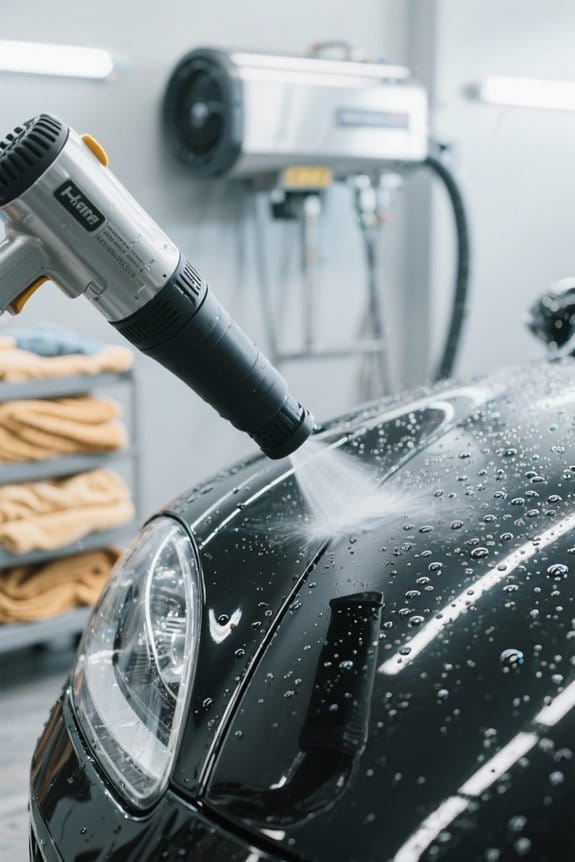
Forced air systems represent a modern approach to drying vehicles that many enthusiasts appreciate. These systems utilize high-velocity airflow to effectively remove water, helping to prevent water spots and swirl marks. Powerful systems can efficiently displace large amounts of water, especially beneficial for larger vehicles like SUVs and trucks, where towel drying may require multiple passes. However, there are limitations. While forced air systems reduce the need for towels, they might not reach tight spots, such as mirror edges. Additionally, they generally require less physical effort than towel drying. Despite their convenience, the initial investment for good equipment can be higher. High suction ratings correlate with better performance in cleaning tasks, similar to how forced air systems enhance drying efficiency. Overall, forced air systems offer impressive drying efficiency, but it’s important to weigh both advantages and limitations before making a choice.
Recommended Products
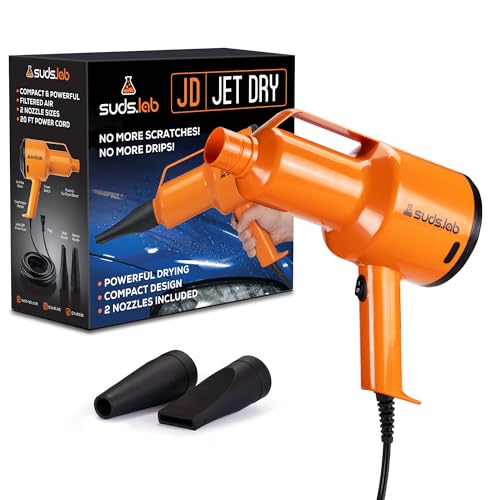
Powerful Heated Airflow: The JD car wash dryer features a 1.5 HP motor that delivers heated airflow to speed up drying. This car blower for drying raises air temp by up to 25°F above ambient, helping remove water faster while protecting paint & trim.

✅ THE SAFEST TOUCH FREE DRYING METHOD AVAILABLE – Every time you touch your vehicle with a towel, microfiber accessory, or even a chamois, you are introducing swirl marks, scratches, and marring your finish. Adam’s Mini Air Cannon Car Dryer uses warm, dry, filtered air that provides an easy and safe drying experience without the chance of scratching expensive paint and chrome finishes.

【High-Capacity Battery & Extended Runtime】KOLENDA cordless car dryer air blower features a 21V-10.0Ah battery with 4 adjustable speed modes (21-230min runtime) and a smart power display. Perfect for prolonged patio cleaning, car drying, and lawn care. Built-in safety system ensures reliable operation.
Chamois: The Traditional Option
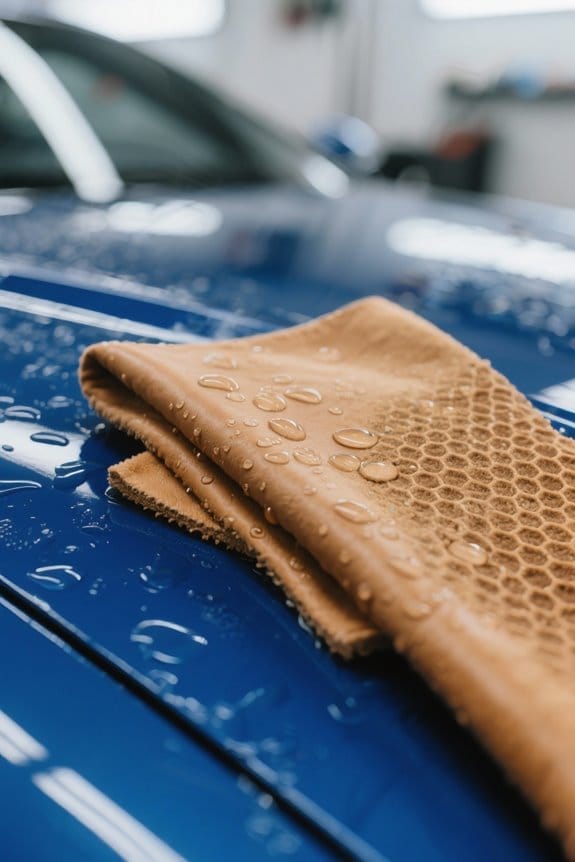
Chamois towels have a long history in the world of vehicle drying. Traditionally made from cowhide, these towels require soaking in water for flexibility. While genuine chamois can absorb 400-500 mL of water, this is considerably lower than modern microfiber towels, which excel in water absorption. Synthetic chamois entered the scene in the 1980s, providing flexibility but often leaving streaks on the vehicle surface. Both types can trap debris, leading to micro-scratches and concerns over paint protection. As detailing techniques improved, microfiber towels began to outperform chamois regarding drying efficiency and safety for vehicle surfaces. This shift highlights the evolution of drying options, moving away from traditional chamois toward more effective alternatives. Regular use of Leather Honey Leather Conditioner can help to maintain the suppleness of leather interiors, complementing the drying and cleaning process.
Recommended Products

EXCEPTIONAL ABSORBENCY — The Mighty Cleaner chamois towel for car works like a charm soaking up and holding as much as 10 times its weight in water. Our shammy cloth for car drying is like having a sponge and a towel in one.

GENUINE NATURAL LEATHER: Chamois leather made from genuine sheep leather. The leather has a little fish-like smell, which also serves to identify the real leather

🚗 Absorbency: A lot of our customers do value the absorbency power of this DSV Premium Chamois Towel. Most probably it is the main aspect why you are searching for this product. Our team worked hard to get such tremendous results of absorbency level. It will absorb and hold large amounts of water leaving your car spotless, with no scratch and lint. You can compare our absorber Chamois as like you have a microfiber towel and sponge combined.
Comparing Effectiveness on Different Surfaces
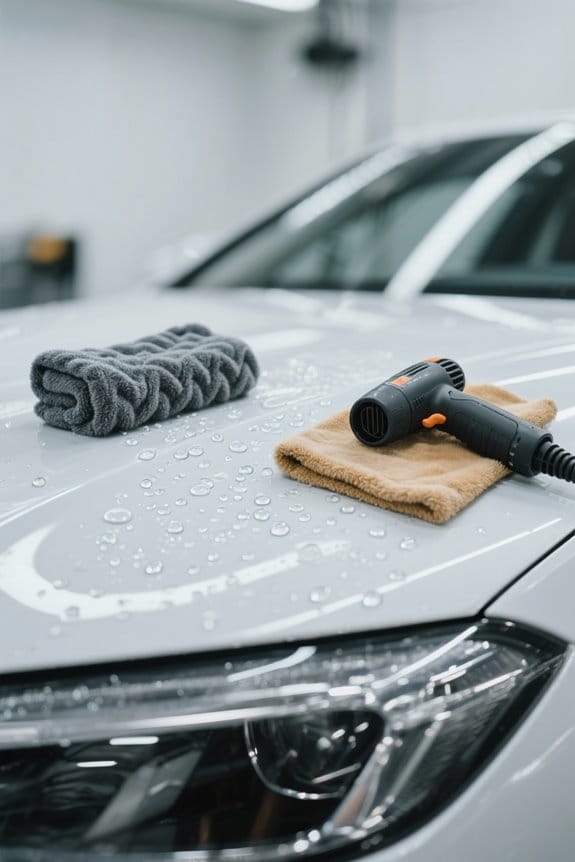
Choosing the right drying method can greatly impact how effectively a vehicle dries while protecting its surface. Twisted loop towels, with a high GSM, excel on painted surfaces, holding up to 1200 mL of water. Their ability for one-pass drying reduces surface contact, minimizing scratches. Conversely, forced air drying removes water without touch, perfect for intricate areas and preventing swirl marks. For glass surfaces, waffle weave towels reign supreme, managing streaks effectively. Traditional chamois, absorbing only 400-500 mL, often leaves moisture behind and may require multiple passes, risking streaking. Overall, twisted loop towels offer superior absorption and drying efficiency, while other methods serve specialized needs. It’s important to choose towels with scratch-free edges to ensure that vehicle paint finishes remain unblemished during the drying process. Choosing wisely guarantees a flawless finish on every surface.
Tips for Optimal Drying Results
When it comes to drying a vehicle, what techniques yield the best results? Twisted loop towels are a top choice. With high GSM ratings between 900-1200, they absorb water effectively—up to 1200 mL—with minimal risk of water spots. Tips for excellent drying results include: – Use high-GSM towels: They prevent scratches and swirl marks. – Consider forced air dryers**: These eliminate the risk of micro-scratches and reach tough spots easily. – Avoid chamois towels: They absorb less water and may leave streaks. Twisted loop towels excel due to their capacity to absorb 9 times their weight** in liquid, similar to some top-rated microfiber towels. Utilize the drag method when using twisted loop towels. Maintain light tension and overlap strokes for better results. Following these tips will enhance your drying process and keep your vehicle looking flawless!
Recommended Products
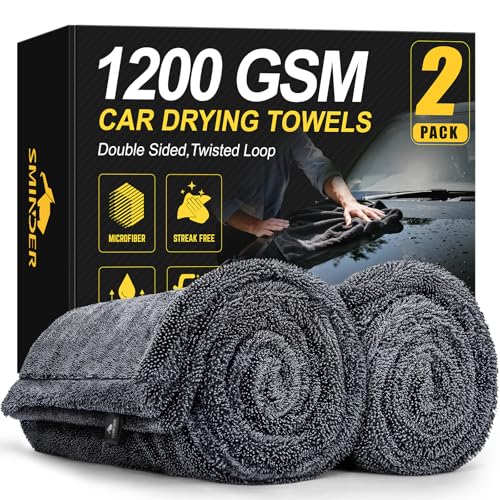
Streak-Free, Spot-Free Drying: With SMINDER’s car drying towels advanced 1200 GSM microfiber and twisted-loop technology, you’ll enjoy a flawless finish every time. Just one pass and your car is 100% dry, streak-free, and water spot-free. The microfiber towels for cars absorb up to an entire gallon of water, making them perfect for efficient, high-performance drying.

NO WATER SPOTS OR STREAKS - Only one pass and your car will be 100% dry, streak-free and will have zero water spots. Our Twisted Loop Technology allows the towel to glide across the surface of your car and pick up every single drop of water. It can absorb up to an entire gallon!

✨【Ultimate Streak-Free Drying】– Our microfiber car drying towel features advanced twisted-loop technology to absorb water instantly, leaving zero streaks or water spots on your vehicle. Perfect for car detailing, it dries your entire car with just one pass—no wringing needed!
Frequently Asked Questions
Is a Drying Towel Better Than a Chamois?
Ironically, while chamois touts its heritage, modern drying towels surpass it with superior absorbency levels, faster drying speed, and better durability. User preferences often lean toward these materials, reflecting evolved care instructions and cost considerations.
What Type of Towel Is Best for Drying?
Microfiber towels are best for drying due to their superior absorbent materials and drying efficiency. They offer quick drying, excellent towel thickness, and longevity, while also being eco-friendly options that require less maintenance compared to cotton towels.
What Is a Twisted Loop Drying Towel?
A twisted loop drying towel employs advanced fabric technology for enhanced drying efficiency and durability. Its absorbent materials deliver rapid drying speed, lint resistance, and usability features suitable for various practical applications, ensuring effective washing care maintenance.
What Is the Best Drying Cycle for Towels?
In the grand competition of towel care, the ultimate drying cycle thrives on high-GSM fabric types, optimized washer settings, and eco-friendly options, achieving peak drying efficiency under heat levels that guarantee softness, moisture absorption, and minimal drying time.