As an Amazon Associate, we earn from qualifying purchases. Some links on this site are affiliate links at no extra cost to you. Our recommendations are based on thorough research and editorial judgment.

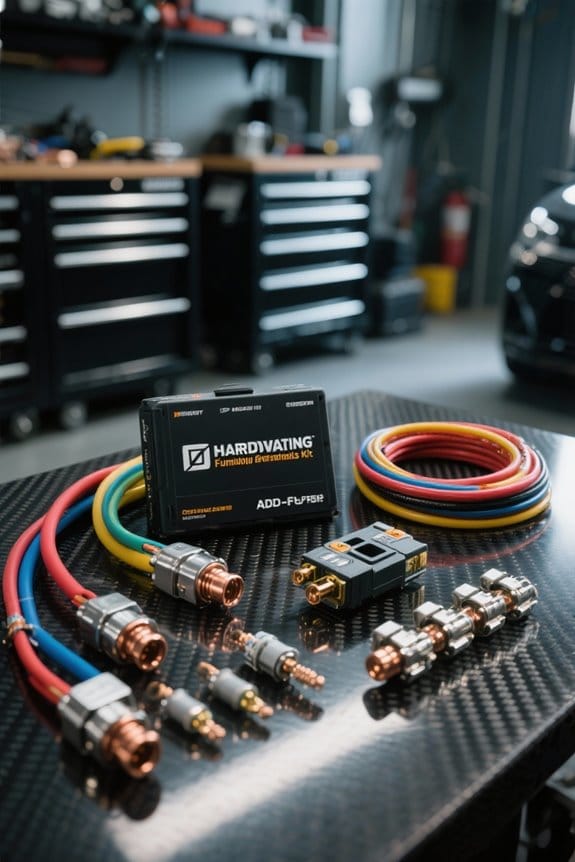
Hardwiring Fundamentals: Add‑A‑Fuse, Grounds, And Routing Safety

Hardwiring fundamentals cover several key aspects, like using Add-A-Fuse kits for adding circuits easily. These kits protect original wiring without cutting into it. Grounding is essential too; it stabilizes voltages and keeps systems safe. Also, safe wire routing protects wires from damage, ensuring the whole setup runs smoothly. Equally important is circuit protection, which helps prevent overloads and shocks. With OSHA and NEC regulations, safety becomes paramount. There’s so much more to explore about these vital topics!
Key Takeaways
- Add-A-Fuse kits simplify upgrades by allowing new circuits without wire cutting, compatible with various blade fuses.
- Proper grounding is essential for safety, providing stable voltage references and effective fault current dissipation.
- Safe wire routing techniques include planning cable routes and protecting cables from heat sources and sharp edges.
- Circuit protection devices, such as fuses and circuit breakers, are crucial for preventing overloads and electrical hazards.
- Compliance with OSHA and NEC is vital for workplace safety, ensuring regular inspections and proper wiring installations.
Understanding Add-A-Fuse Kits
You may be interested


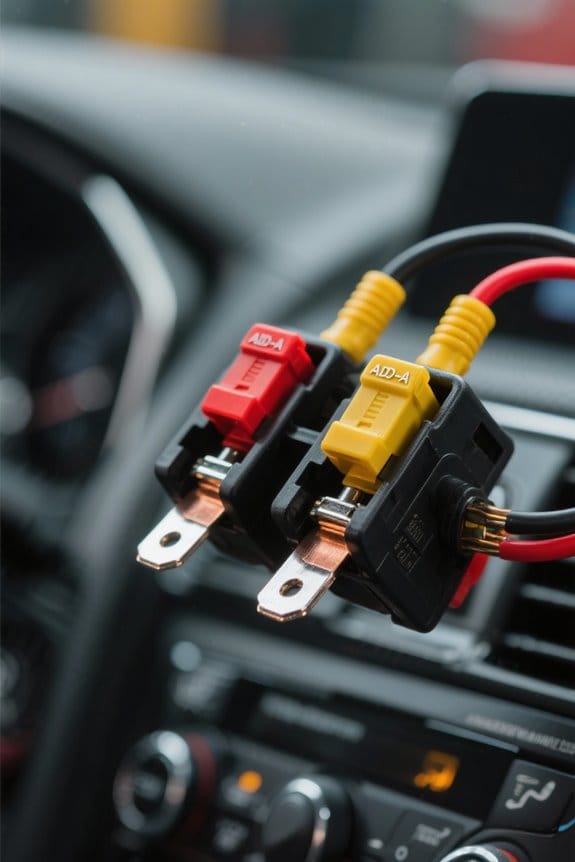
Understanding how Add-A-Fuse kits work can simplify vehicle upgrades. These kits, also known as fuse taps, let you add a new circuit without cutting wires. This means you can protect both your original and new accessories. High-temperature resistance is a key feature in many automotive tapes used for tasks like securing wires, ensuring durability even in extreme conditions.
Add A Fuse Benefits:
- Easy installation without special tools
- Preserves vehicle warranty
- Compatible with Mini, Micro2, and Standard Blade fuses
Installation Tips:
- Remove the existing fuse and insert the kit into the slot
- Place the original fuse back in along with a new fuse for the accessory
- Route the wire lead to complete your circuit
The Importance of Grounding
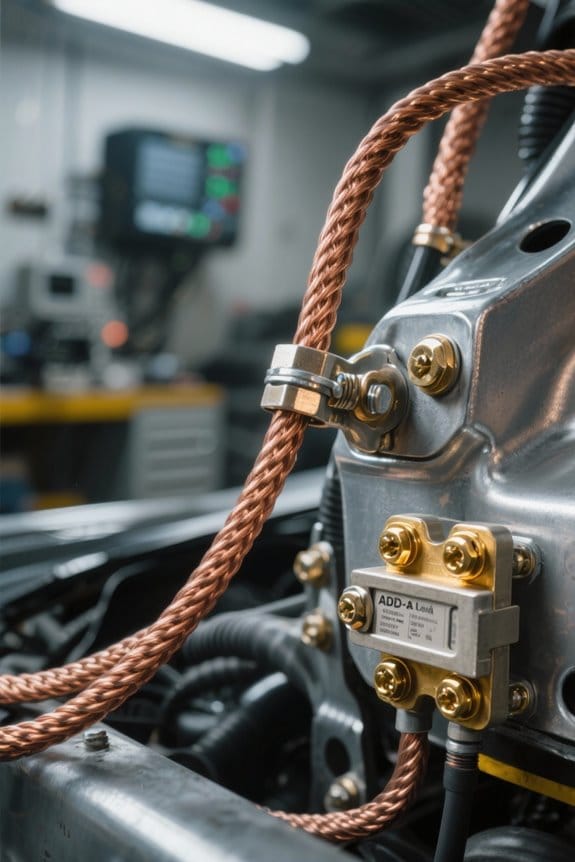
Grounding is a vital aspect of any electrical system, and its importance cannot be overstated. Proper grounding techniques connect electrical systems to the earth, providing a reference point of zero volts. This not only stabilizes voltages but also safely dissipates fault currents. By establishing a low-resistance path, grounding prevents electric shock and protects equipment. Key benefits of effective grounding include:
- Reducing shock risks to personnel.
- Ensuring reliable operation of circuit breakers and fuses.
- Minimizing voltage buildup from lightning or surges.
To achieve grounding safety, it’s essential to follow standards like NEC. A well-designed grounding system is essential for a safe, efficient electrical setup, making it a fundamental practice for both professionals and DIY enthusiasts alike. Regular air filter replacements can also improve vehicle performance, aligning with manufacturer recommendations for optimal service intervals.
Safe Wire Routing Techniques

While a well-grounded system protects against electrical faults, safe wire routing techniques play a fundamental role in overall safety and efficiency. Proper planning is key. Map your cable route, following walls and ceilings to avoid obstacles. Keep wires away from heat sources and sharp edges for their protection. Use cable trays or conduits to shield cables from physical damage. Secure your wires with clamps or ties, confirming they’re not too tight. Always leave slack for adjustments. Remember, good wire management separates cables by function to prevent interference. Maintain cable insulation, using grommets in metal areas to prevent cuts. By following these practices, you can guarantee a safer and more efficient wiring setup. Additionally, consider using dual-slot designs in fuse taps to prevent overloading existing circuits, ensuring a safer electrical system.
Circuit Protection Essentials

Circuit protection is vital for a safe electrical system. It safeguards against overload and short circuits, which can lead to fires or equipment failure.
There are various types of circuit protection devices:
- Fuses melt to interrupt current during an overload.
- Circuit breakers trip automatically using thermal or magnetic mechanisms.
- Residual Current Devices (RCDs) sense imbalances in current to prevent shocks.
- Surge Protection Devices (SPDs) guard against voltage spikes from lightning.
Proper overload protection is essential. Devices should be sized correctly, often at 125% of normal current. For short circuits, fuses rated at 150% of normal current provide effective protection. These measures guarantee safety, prolong equipment life, and grant peace of mind as you utilize your electrical system. For added safety in vehicles, consider installing a multi-purpose extinguisher rated for B and C fires, ensuring quick response in emergencies.
Compliance With OSHA and NEC
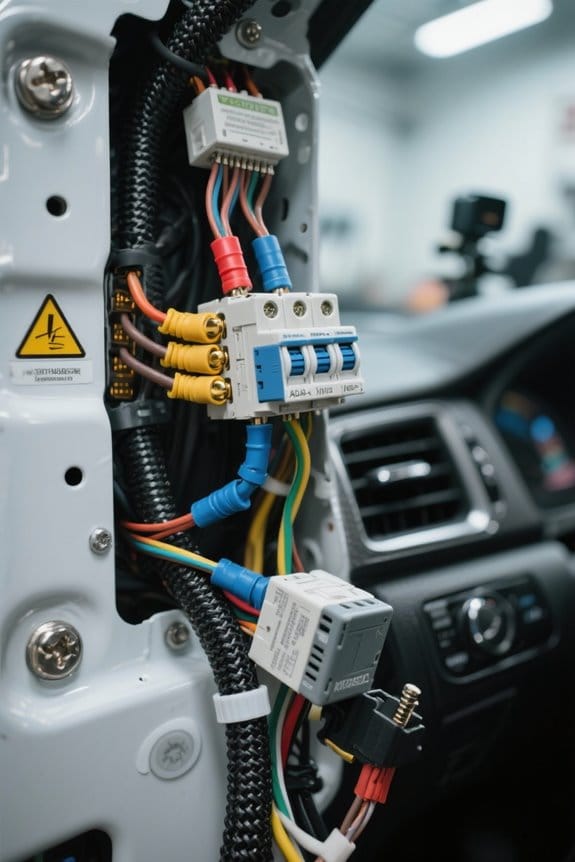
Electrical systems, like any other aspect of safety, are not just about protecting equipment. Compliance with OSHA and NEC is essential for safeguarding workers and workplaces. OSHA’s standards require wiring inspections and safety audits to prevent hazards, like electric shock or fire. Common violations include temporary wiring without proper covers or using damaged equipment. The NEC enforces requirements like Ground-Fault Circuit-Interrupter (GFCI) protection in specific areas. Such measures guarantee that electrical systems are designed and protected against faults. Permanent wiring installations reduce dependency on extension cords, minimizing risks. Employers must train staff on these standards. They should also conduct regular inspections and audits to confirm compliance and prevent costly violations. Safety should always come first. Using tools like the Gardner Bender FPE-20T can ensure safe functionality checks during maintenance and replacements.
Identifying Common Hazards and Prevention Strategies
How can construction workers stay safe from electrical hazards? One important step is hazard recognition. Understanding common electrical risks can greatly improve electrical safety on job sites. Workers face dangers like overhead power lines and faulty equipment. Regular electrical inspections can spot these issues before they lead to injury. It’s also vital to assess equipment condition daily. For brake system maintenance, using a Brake Caliper Compression Tool can simplify repairs and reduce the effort and time required. Here are some practical tips: – Always look for damaged wires or cords. – Make sure tools are in good working order. – Follow safety codes during inspections. – Stay alert around live wires and equipment.
Frequently Asked Questions
Can I Use Any Fuse With an Add-A-Fuse Kit?
Choosing the right fuse for an Add-A-Fuse kit resembles finding the perfect puzzle piece; fuse compatibility is essential. Incorrect fuse ratings may lead to circuit failure, jeopardizing safety and functionality of connected accessories.
What Tools Do I Need for Installing an Add-A-Fuse?
For installing an add-a-fuse, one should have a multimeter, wire cutters, crimping tool, and appropriate fuse types. Installation tips include using insulation tape and ensuring proper wire management with zip ties for safety.
How Can I Identify Suitable Circuits for Tapping?
Approximately 80% of electrical failures connect to improper circuit tapping. To identify suitable circuits for tapping, one must assess circuit capacity and match it with the appropriate electrical gauge, ensuring compliance with ampacity standards for safety.
What Happens if I Overload a Circuit?
Overloading a circuit can result in circuit damage, leading to melted insulation, equipment failure, or fire hazards. Different fuse types may blow to prevent further risks, emphasizing the importance of managing electrical loads effectively.
How Often Should I Inspect My Fuses and Circuit Breakers?
Fuses and circuit breakers should be inspected every 6 to 12 months. Regular breaker maintenance extends fuse lifespan and guarantees peak functionality, preventing potential hazards like electrical fires and equipment failure from compromised components.