As an Amazon Associate, we earn from qualifying purchases. Some links on this site are affiliate links at no extra cost to you. Our recommendations are based on thorough research and editorial judgment.

Waterless And Rinseless Washing: When They’re Safe And When They’re Not

Waterless and rinseless washes are convenient but require caution. Waterless wash is safe for light dust and fingerprints on sealed finishes. It’s best used in shaded areas. However, avoid it for heavy dirt or mud to prevent scratches. Rinseless wash works similarly, ideal for lightly soiled vehicles but not for excessive grime. Use a pH-neutral formula and clean microfiber towels. Understanding these conditions helps maintain a car’s shine and safety. There’s more to explore on these methods!
Key Takeaways
- Waterless wash is safe for light dust and fingerprints, ideal for quick clean-ups on sealed or waxed finishes.
- Rinseless wash is effective for lightly to moderately dirty vehicles, using high-lubricity formulas to minimize scratching risks.
- Avoid waterless washing on heavily soiled cars, as dirt particles can cause scratches during the cleaning process.
- Rinseless wash requires a pre-wash for very dirty vehicles, assessing dirt accumulation before application is crucial.
- Both methods should not be used in direct sunlight, as it can lead to rapid drying and ineffective cleaning.
Understanding Waterless Wash: Definition and Process
You may be interested

Waterless wash presents a smart alternative for busy car owners looking to keep their vehicles clean without a traditional rinse. This method uses specially designed sprays and microfiber towels. It’s perfect for lightly soiled cars, using minimal water. Key waterless wash benefits include eco-friendliness, as it cuts down on water waste and chemical runoff. Most waterless wash products contain surfactants to lift dirt, lubricants to prevent scratches, and emulsifiers to break down grime effectively. The process is simple: spray the solution on one panel at a time, using a fresh microfiber towel for each wipe. This guarantees no dirt is dragged, maintaining your car’s paint. Some all-purpose cleaners are designed to be eco-friendly with biodegradable compositions, aligning with the environmental benefits of waterless washing. In short, waterless wash offers convenience while keeping your vehicle in top condition.
Recommended Products
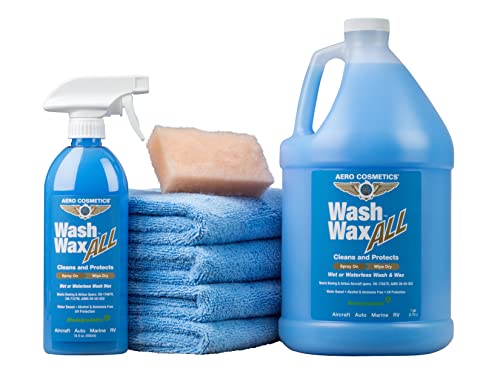
CLEANS, SHINES & PROTECTS: Lifts dirt for a smooth, clean wipe, boosts showroom gloss, and adds a UV-protective coating against fading — so surfaces stay cleaner longer and are easier to clean next time.
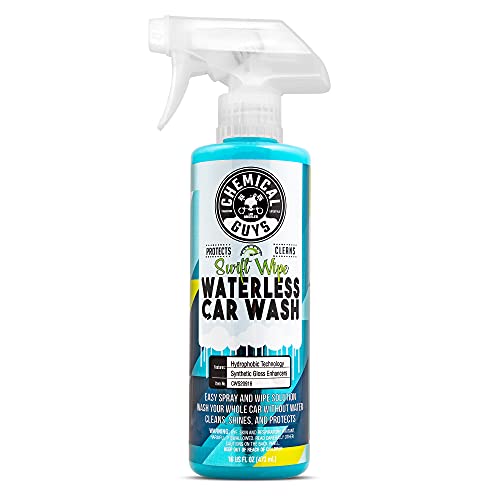
SWIFT WIPE WATERLESS WASH SPRAY (CWS20916) – Clean and shine your vehicle without water; just spray this car cleaner spray and wipe for a spotless finish anywhere.
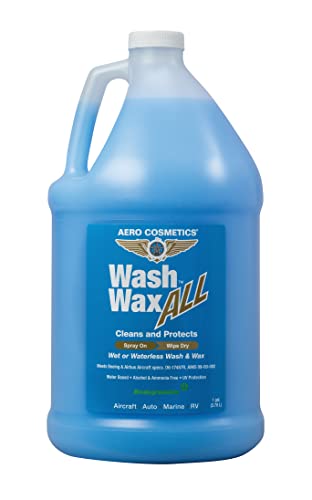
Simply the first and the best waterless car wash, spray on wax, spray on car wash, spray detailer, or wax as you dry product. Gently Cleans and Protects while leaving a Non-Stick UV Protective Coating on All Vehicle surfaces. 1 Gallon of ready-to-use Wash Wax All will yield 21 Waterless Washes or 32 Waxes As You Dry. Excellent for cleaning and protecting Ceramic Coatings, Waxes, Sealants, and Protection Films. Just Spray on and Wipe Dry. Wash and Wax Anywhere, Anytime, Parking Lots, Garages, Work, Apartments, RV Parks, and more
When Is Waterless Wash Safe?
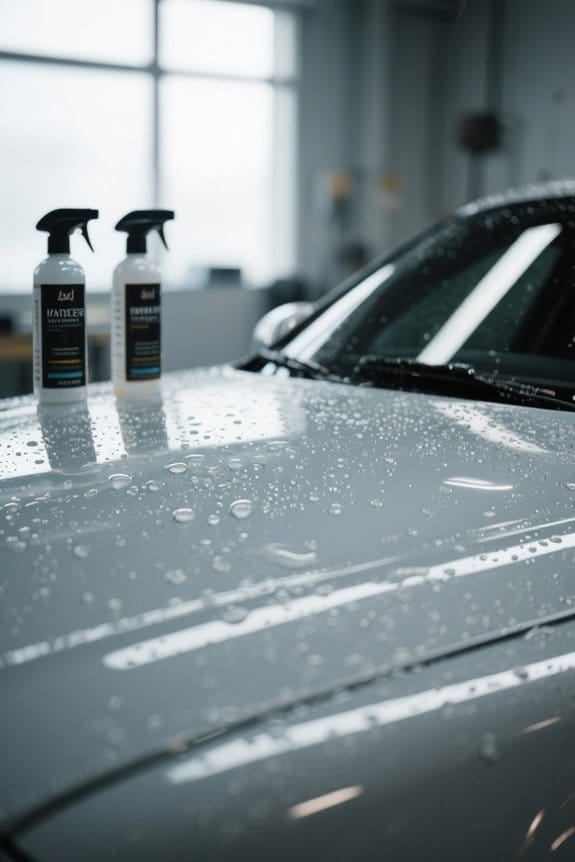
How can car owners determine when a waterless wash is safe to use? A waterless wash is best for vehicles with light dust or fingerprints. It’s ideal for quick touch-ups in shaded areas where the product won’t dry too quickly. These washes shine on sealed or waxed finishes, and they can even clean exterior trim without damaging paint. Electric lunch boxes are a practical solution for individuals seeking the convenience of warm, homemade meals on the go. When considering waterless wash benefits, remember it’s not a replacement for deep cleaning. Avoid using it on heavy dirt, mud, or bird droppings, as these require rinsing. Using high-quality products makes a difference. They provide lubrication to minimize scratches, ensuring effective vehicle maintenance. So, keep microfiber towels on hand and inspect the surface before washing for the best results.
Recommended Products

Trusted Detailing Innovators – Chemical Guys is a global lifestyle brand for car care enthusiasts, offering premium products, expert education, and a passion for shine since day one.

ULTIMATE 3-IN-1: CLEAN, SHINE & PROTECT: Waterless wash, gloss enhancer, and ceramic coating – all in one bottle. No hose, no bucket – 15 min showroom shine. 16.9oz: 8-9 uses for sedans, 4-5 for SUVs.
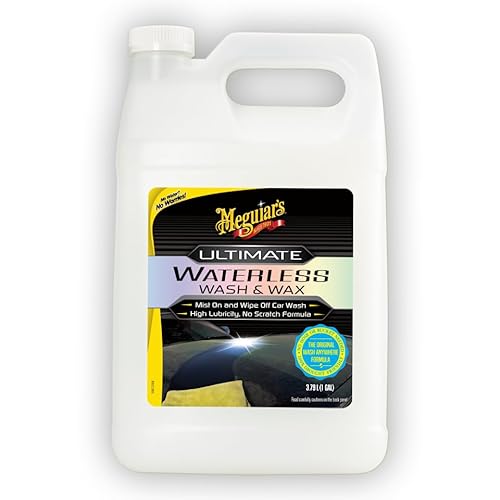
ONE EASY STEP: Clean and protect your vehicle in one convenient step with the premium formula of Meguiar's Ultimate Waterless Wash and Wax. No need for a hose, bucket, or rinsing, making it perfect for on-the-go cleaning.
When Is Waterless Wash Not Safe?

When is it unwise to reach for a waterless wash? It’s not safe when a car has excessive dirt, mud, or heavy road grime. Trying to clean a muddy car can increase the risk of scratches from abrasive particles. Stuck contaminants like bird droppings or tree sap require a traditional wash, not a waterless one. Low-quality products also pose risks; they may lack proper lubrication, increasing chances of paint damage. Using improper technique, such as a single, dirty towel, can lead to even more scratches. Ultimately, unsuitable finishes like matte or satin can react negatively to certain waterless formulas. Always check compatibility to avoid issues and keep your car looking its best. In addition, consider the flexibility of strips when choosing ambient lighting solutions, as they can navigate around curves and angles, enhancing the overall usability and aesthetic appeal.
Recommended Products
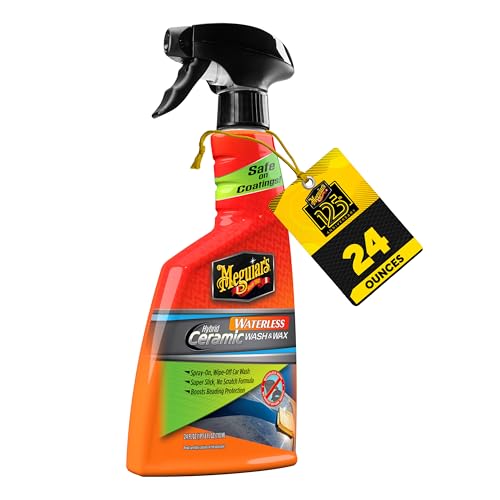
WATERLESS CAR WASH WITH CERAMIC: Easy-to-use formula, just spray on and gently wipe off with a premium microfiber towel; Gentle cleaning with ceramic chemistry works great on glossy paint, ceramic coatings, glass, polished metal, and plastic trim

WATERLESS CAR WASH: This high-lubricity formula lifts dirt, dust, and grime without scratching paint, making it the ideal car wash soap alternative for areas with water restrictions or during cold weather

PROTECT PAINT: Quickly and gently remove light contaminants with Meguiar's Quik Detailer spray. This high-lubricity car exterior cleaner safely removes contaminants - making it a valuable addition to any car cleaning kit
Understanding Rinseless Wash: Definition and Process

Rinseless wash represents a practical solution for those who want to keep their vehicles clean without the hassle of traditional washing methods. This technique uses a high-lubricity spray that doesn’t require water. It encapsulates dirt, making removal safe and easy. Rinseless Advantages: – Eco-friendly, using less water. – Reduces the risk of scratches thanks to its lubricating formula. – Convenient for urban dwellers with limited water access. Rinseless Limitations: – Best for lightly to moderately dirty vehicles; heavily soiled cars may need a pre-wash. – Lacks the pressure of traditional washes, which can limit deep cleaning. – Manual effort is essential to avoid scratches and achieve a thorough clean. Proper sizing is crucial for a snug fit when using car covers as it ensures maximum protection against external elements. With proper technique, a rinseless wash can keep cars looking great!
Recommended Products

Version 6 The slickest and glossiest version of ONR yet. Safe on all vehicle surfaces including paint, ceramic coatings, matte paint, glass, interior

The Premium Car Wash Soap Alternative: Optimum No Rinse Concentrate only requires 1 oz per 2 gallons of water - enough to wash your entire car! The versatile formula can also be used as a clay bar lubricant.

NO WATER, NO PROBLEM … 3D Waterless Car Wash is our safe and effective car wash cleaning spray that requires no water, bucket, hose, or sponge!
When Is Rinseless Wash Safe?

Determining the right conditions for a rinseless wash is key to achieving a clean and scratch-free vehicle. Rinseless wash works best when the vehicle has light dirt and dust. Conduct a dirt assessment before starting; if the car is heavily soiled, rinsing it first is essential to avoid scratches. Consider these rinseless limitations: – Use a pH-neutral formula for safety. – Follow proper dilution ratios—usually 256:1. – Work panel-by-panel with clean microfiber towels. Avoid rinseless products in direct sunlight; this can lead to rapid drying and spots. This method is great in places without easy water access—like apartments—saving resources while keeping the vehicle clean. For effective odor removal in your car, consider using activated charcoal bags that are non-toxic and long-lasting. Follow instructions closely for the best results!
Recommended Products

Version 6 The slickest and glossiest version of ONR yet. Safe on all vehicle surfaces including paint, ceramic coatings, matte paint, glass, interior

CONVENIENT WATERLESS CAR WASH: Clean your car with just one bucket thanks to our advanced rinseless car wash, ideal for garage or driveway washes in water-restricted areas

LONG-LASTING RADIANT LOOK: Say goodbye to dull and faded paint and hello to the ultra-rich paint conditioners; Meguiar's Gold Class foam car wash leaves the surface looking radiant, renewed, so it's ready for your car wash kit before car show season
When Is Rinseless Wash Not Safe?
Using a rinseless wash might seem convenient, but there are important situations when it’s not safe to do so. Rinseless wash techniques can lead to scratches if the vehicle is heavily soiled. Loose dirt can drag across the paint, causing damage. Low rinseless product quality also matters; poor lubrication increases scratch risk. It’s important to remember that safety mechanisms in portable jump starters are crucial for preventing potential hazards. It’s best to avoid rinseless washing when dealing with:
- Bird droppings, tar, or caked-on grime—these require a traditional wash.
- Cars in dirty, dusty, or pollen-heavy areas; rinseless is not enough.
- Cold weather, where dirt can freeze and make cleaning harder.
In these circumstances, using a proper rinse can help protect the vehicle’s finish and maintain its beauty.
Frequently Asked Questions
Can I Use Waterless Wash in Direct Sunlight?
Using waterless wash in sunlight conditions can diminish wash effectiveness due to rapid evaporation, streaking, and potential damage to paint. It’s advisable to avoid washing during high temperatures or direct sunlight for best results.
How Often Should I Use Rinseless Wash on My Vehicle?
Like a clock ticking towards cleanliness, rinseless washes should ideally follow frequency guidelines of every 5–7 days. Product recommendations endorse this schedule, especially in varying climates, ensuring vehicles shine without compromising integrity or protection.
Can Rinseless Wash Damage Wax or Sealant?
Rinseless wash generally does not damage wax durability or sealant effectiveness when used correctly. However, improper dilution or excessive physical contact may gradually affect protective layers’ longevity, requiring more frequent reapplication to maintain ideal performance.
Are There Specific Towels Recommended for Waterless Washes?
Microfiber towels, specifically those with a high GSM of over 370, are recommended for waterless washes. Drying towels like the Adam’s Microfiber Waterless Wash Towel effectively protect surfaces while ensuring dirt encapsulation and minimizing scratches.
Is It Safe to Mix Different Brands of Rinseless Wash Solutions?
Mixing different brands of rinseless wash solutions is generally not safe due to potential brand compatibility issues. Such mixtures may compromise solution effectiveness, leading to reduced cleaning power and increased risk of surface damage or residue.