As an Amazon Associate, we earn from qualifying purchases. Some links on this site are affiliate links at no extra cost to you. Our recommendations are based on thorough research and editorial judgment.


Winter Car Care: De‑Icing Without Damaging Trim And Glass

Proper de-icing techniques are essential for winter car care. Avoid hot water to prevent thermal shock to your windshield. Use designated ice scrapers and soft brushes to protect the glass and trim. Commercial de-icer sprays work efficiently on thick ice, while saltwater solutions can thaw without damage. Always warm up your vehicle for comfort and safety. Additionally, covering your windshield at night can prevent ice buildup. Stick around to discover even more valuable tips for winter vehicle maintenance.
Key Takeaways
- Use designated ice scrapers made from scratch-free materials to avoid damaging glass surfaces during de-icing.
- Opt for commercial de-icer sprays or safe DIY solutions like saltwater or isopropyl alcohol mixtures for effective ice removal.
- Avoid using hot water, vinegar, or metal objects as they can damage the windshield or cause scratches.
- Regularly cover your windshield with a towel or specialized cover to minimize ice accumulation overnight.
- Always warm up your vehicle for 10-15 minutes using the defrost setting to safely thaw ice and improve visibility.
Understanding the Risks of Improper De-Icing
You may be interested
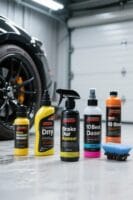

Understanding the risks of improper de-icing is essential for every driver during winter months. Using hot water to melt ice can cause thermal shock, resulting in damaged windshields that may need costly repair or replacement. Furthermore, vinegar and water solutions can pit your windshield, leading to scratches and decreased visibility. It’s important to avoid using metal or sharp objects as an ice scraper, since they easily scratch the glass. The damage from these actions can be pricey. Additionally, be wary of cheaper de-icing products. Some contain harmful chemicals that could ruin your vehicle’s paint or trim. Always choose reputable de-icing solutions to protect your car’s aesthetics and functionality during winter weather. For an improved driving experience, consider using car air purifiers with multi-layer filtration systems to enhance air quality while driving.
Essential Tools for Safe Ice Removal
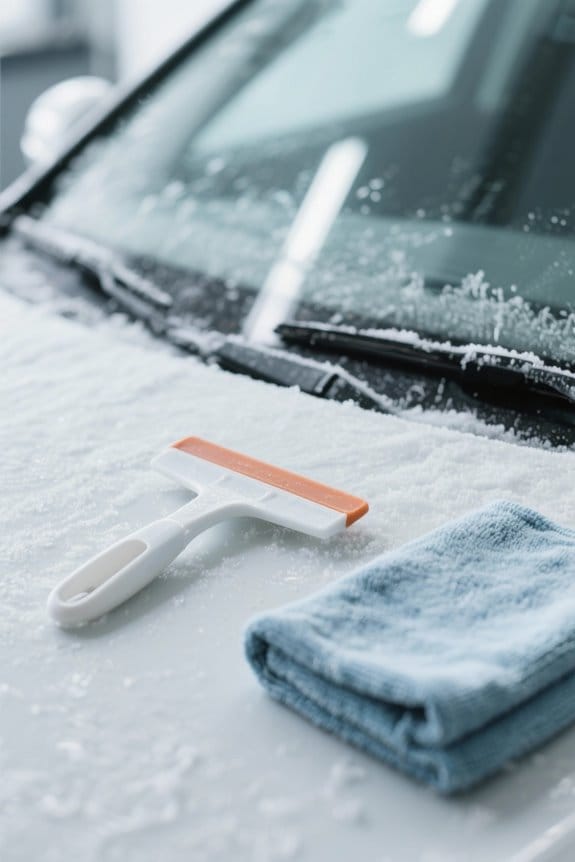
Winter can turn a simple car ride into a challenging task, especially when ice takes over your vehicle. Having the right tools makes a big difference.
- Ice Scraper: Always use a designated ice scraper designed for cars. This helps avoid scratches on the glass.
- De-Icer Spray: Keep a can of commercial de-icer spray handy for quick application on thick ice. It works fast and is safe for glass and trim.
- Soft-Bristle Broom: Use a soft-bristle broom or snow brush to gently remove snow. This protects your vehicle’s paint from damage.
- Opt for ice scrapers with scratch-free materials to ensure your vehicle’s surfaces remain unscathed during the ice removal process.
Before starting your engine, check the exhaust pipe. Clearing ice or snow prevents dangerous carbon monoxide from entering the cabin. Safe de-icing keeps your winter rides hassle-free!
Recommended Methods for De-Icing Your Windshield
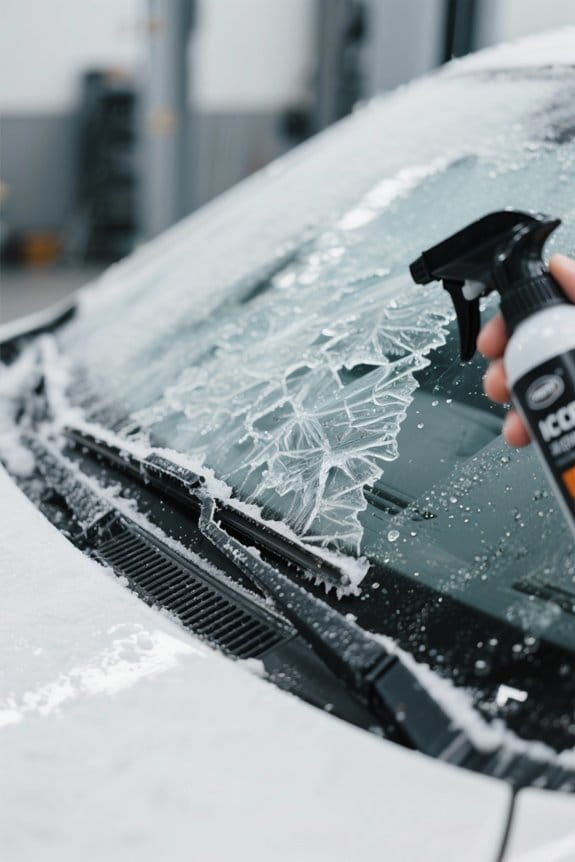
While dealing with a frosty windshield may seem intimidating, there are effective methods to make the task easier. A saltwater solution or a mix of isopropyl alcohol and water with a little dish soap can effectively thaw ice without damaging auto glass or trim. Avoid using warm water, as it can cause thermal shock, leading to cracks. Instead, cold tap or distilled water works best for DIY solutions. Commercial de-icers specifically designed for auto glass can quickly melt ice and are safe when used as directed. Additionally, letting the vehicle warm up with the defroster on simplifies ice removal. Finally, consider using a windshield cover or a saltwater-soaked towel overnight to help prevent ice buildup. For optimal winter car care, consider the material quality of any windshield cover you use to ensure it provides proper insulation and protection against the elements.
Prevention Tips to Minimize Ice Build-Up
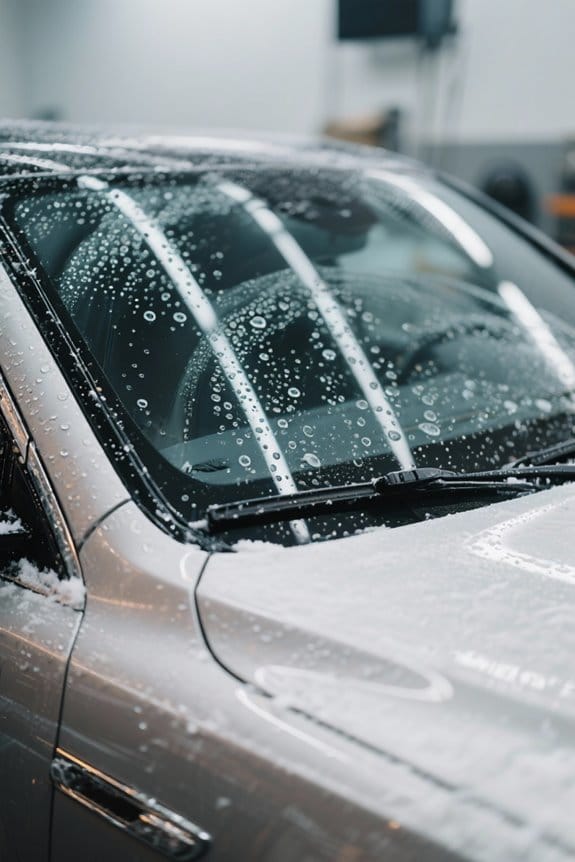
Ice buildup on windshields can be a real headache for drivers. To minimize this nuisance, several prevention tips can be helpful. Cover the windshield with a towel, car cover, or a purpose-made windshield cover overnight to create an effective barrier against the cold. Another great option is soaking a towel in a saltwater solution and placing it on the windshield before temperatures dip. This technique can prevent ice from forming. Spraying a mixture of rubbing alcohol and water can also lower the freezing point, aiding frost reduction. For long-term protection, consider applying a DIY ceramic coating, which offers a barrier against ice adhesion. By taking these steps, drivers can stay safe and enjoy cooler months with less hassle. Additionally, using a waterproof car cover can provide comprehensive protection against rain and snow, ensuring that your vehicle remains shielded from harsh weather conditions.
The Importance of Vehicle Warm-Up
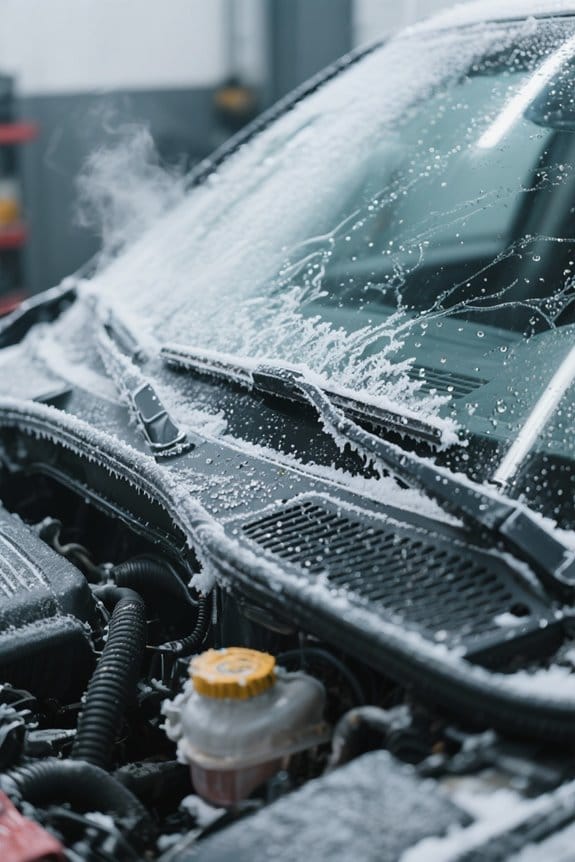
After taking steps to prevent ice buildup on windshields, another significant part of winter car care follows: warming up the vehicle. Allowing your car to warm up for 10-15 minutes with the defrost setting on helps gradually thaw ice. This process reduces stress on the glass and prevents cracks. Plus, it boosts internal heat, keeping passengers comfortable while improving visibility. A warmed-up vehicle guarantees all windows are clear, minimizing the risk of accidents. Additionally, maintaining proper tire pressure is crucial during winter to ensure safe driving conditions. This peaceful start also helps avoid the rush of hurried departures, which can lead to unsafe driving. In winter, vehicle warm-up is not just about comfort; it’s an essential step for safety, making every drive more enjoyable and secure.
Community Tips and Tricks for Winter Car Care
As winter settles in, many drivers share their favorite tips for taking care of their vehicles. One popular suggestion is to use a soft-bristle broom or snow brush to remove snow gently. This avoids scratches on the car’s paint while ensuring thorough clearance. Covering your windshield with a towel at night is another way to keep ice at bay, cutting down on morning scraping time.
Some recommend a mixture of two parts rubbing alcohol and one part water, applied the night before, to prevent frost. For those who like DIY solutions, spraying a saltwater mix made of a few tablespoons of salt diluted in water can help stop ice from forming. Simple strategies like these can make winter driving easier.
For those who frequently travel, considering an adjustable cup holder can help keep drinks secure and prevent spills during bumpy winter rides.
Protecting Your Vehicle’s Exterior and Glass
Taking care of a vehicle in winter goes beyond just snow removal. It’s essential to protect your vehicle’s exterior and glass from potential damage. Ice itself won’t harm automotive paint, but dirt and debris can cause scratches. A good solution is to use ceramic coatings that provide a protective barrier. Applying a hydrophobic coating can also enhance clarity and long-lasting durability, as seen in some popular headlight restoration kits. When de-icing, always apply warm, automotive-safe solutions like saltwater or rubbing alcohol. Avoid the Don’ts of De-Icing, such as using harsh chemicals. Regularly washing your vehicle can prevent harmful salt and grime buildup. Additionally, opt for non-metallic de-icing tools, like plastic scrapers or soft brushes, to protect your vehicle’s glass from scratches while still effectively removing ice. By taking these steps, you can safeguard your vehicle through winter.
Alternatives to Commercial De-Icers
When winter weather hits, many drivers search for effective ways to de-ice their windshields without relying on commercial products. A simple solution is rubbing alcohol mixed two parts alcohol to one part water. This mixture works wonders preventing frost due to its low freezing point. A homemade saltwater solution, made from a few tablespoons of salt dissolved in water, also aids in de-icing but should be used sparingly to avoid metal corrosion. Vinegar, mixed at three parts vinegar to one part water, can dissolve light frost when sprayed the night before. For a quick fix, applying cold water can help, but avoid hot water to prevent thermal shock. Additionally, a windshield cover can hinder ice build-up altogether. Consider versatile power sources when using portable tire inflators to ensure you have the right setup for your vehicle’s needs.
Maintaining Your Vehicle Through Winter Conditions
Maintaining a vehicle during winter conditions is crucial for safety and performance. Owners should regularly examine the exhaust pipe for ice or snow build-up. This prevents dangerous carbon monoxide hazards when starting the vehicle. Parking in a garage or using a windshield cover at night can notably reduce ice formation. When it’s time to remove ice, consider using a soft-bristle broom or snow brush. This avoids scratches to your car’s paint. For de-icing, opt for commercial de-icers formulated for automotive use. They are safer for both your vehicle’s trim and glass. Applying a DIY ceramic coating before winter offers long-term protection and makes ice removal easier. Regular cleaning with Chemical Guys Total Interior Cleaner can also help maintain a spotless finish by effectively lifting dirt and grime without leaving a greasy residue. Prioritizing these car care methods can keep your vehicle in top shape all season.
Frequently Asked Questions
How to Keep Car Windows From Frosting up in Winter?
To prevent car windows from frosting, she explored winter windshield solutions like moisture control methods, which included anti frost tips and recommended defroster usage, ensuring her mornings started frost-free and hassle-free, enhancing overall winter driving efficiency.
Is De-Icer Bad for Your Windshield?
De-icer can be harmful to windshields if improperly used, potentially causing damage. Safe application emphasizes utilizing de-icer alternatives while considering environmental impact, and selecting products specifically designed for automotive use can mitigate risks effectively.
How to Scrape Ice off a Car Without Damaging Paint?
Nearly 40% of drivers unknowingly damage their paint while ice scraping. Employ safe tools like plastic scrapers, use alternative de-icers, and follow effective ice scraping techniques while keeping paint protection tips in mind for ideal results.
What Does Rubbing a Potato on Your Windshield Do?
Rubbing a potato on the windshield provides some potato benefits, acting as a natural de-icer. This technique may subtly alter freezing conditions, serving as an unconventional winter tip for windshield cleaning and minor frost prevention.