As an Amazon Associate, we earn from qualifying purchases. Some links on this site are affiliate links at no extra cost to you. Our recommendations are based on thorough research and editorial judgment.


Tape Lines And Masking Strategy For Safe Polishing

Masking tape is essential for safe polishing. It protects adjacent surfaces from damage and contamination. Use high-quality automotive masking tape for clean lines. Start taping key areas like trim and gaps gradually. Check adhesion regularly, especially on edges. Taping inside crevices helps prevent polish build-up. Always inspect your work for residue after polishing. An effective strategy leads to a sharper finish. Discover more effective techniques and tips to enhance your polishing process and achieve perfect results.
Key Takeaways
- Use high-quality automotive masking tape to create clean barriers and protect adjacent surfaces from polish and compound contamination.
- Gradually apply tape to critical areas, focusing on trim, edges, and panel gaps, ensuring complete coverage without mess.
- Regularly inspect the tape for adhesion issues, replacing any that show signs of lifting or reduced stickiness during polishing.
- Employ visual guides and leverage community resources to identify vulnerable areas and enhance your masking strategy effectively.
- Remove tape slowly and carefully after polishing to maintain control and preserve sharp lines, ensuring a flawless finish.
Why To Mask With Tape
You may be interested
When detailing a vehicle, masking with tape is more than just a suggestion; it’s a must. Using high-quality masking tape protects adjacent surfaces from contamination, stains, or damage caused by polishing compounds. Its adhesive properties help the tape stick firmly, ensuring a clean barrier. Masking solutions effectively prevent splatter in crevices, saving time when cleaning up afterward. By shielding areas that don’t require treatment, it minimizes cross-contamination, which can affect the final finish. Evaluate masking needs based on specific risks to the vehicle’s aesthetics. Masking not only preserves the appearance but maintains the integrity of the vehicle. A little effort with tape goes a long way in achieving a professional-quality detailing job. For those concerned about environmental considerations, using biodegradable masking tape options can further align the detailing process with eco-friendly practices.
Buffer Damage Prevention
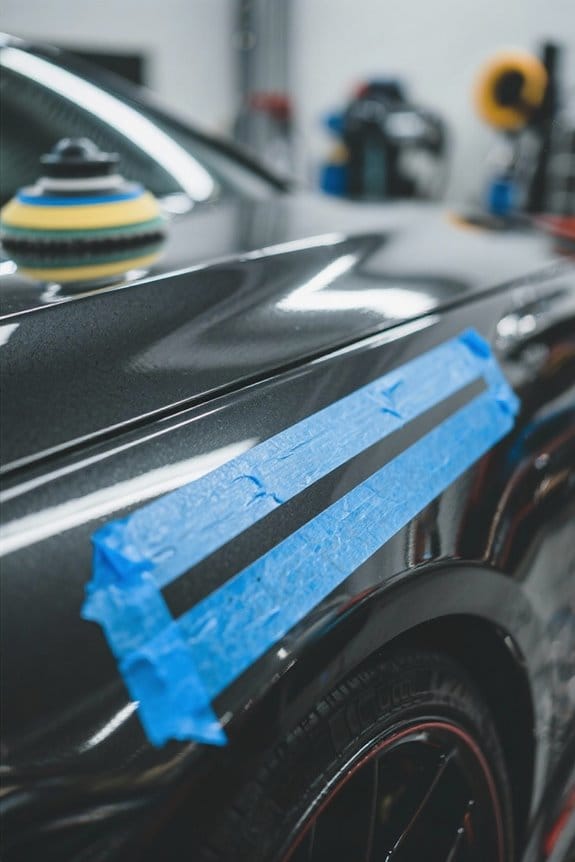
Buffering a vehicle requires some careful considerations to prevent unwanted damage. Using masking tape, like automotive painters tape, is vital for protecting adjacent surfaces. Unprotected trim can easily get scuffed during polishing. By taping off areas that shouldn’t be polished, the risk of accidental contact decreases considerably. It’s crucial to use high-adhesion masking tape. This guarantees it stays put while polishing and removes cleanly when you’re done. Regularly evaluate your masking strategy based on your detailing task. For instance, if a part is cured and newly painted, extra caution is needed around those surfaces. Consider using anti-scratch protection materials to further safeguard against potential damage during the polishing process. This proactive approach minimizes potential damage and helps achieve smooth, impressive polishing results that leave your vehicle looking its best.
Recommended Products

DELIVERS SHARP PAINT LINES: Adhesive resists lifting and curling, prevents bleed through, helping to maintain sharp paint lines

✅【VERSATILE SET OF SIZES】: Unleash your creativity with a set of 5 rolls, each offering a different width - 1/16", 1/8", 1/4", 1/2" and 3/4". This diverse range empowers you to tackle a variety of projects with precision and finesse.
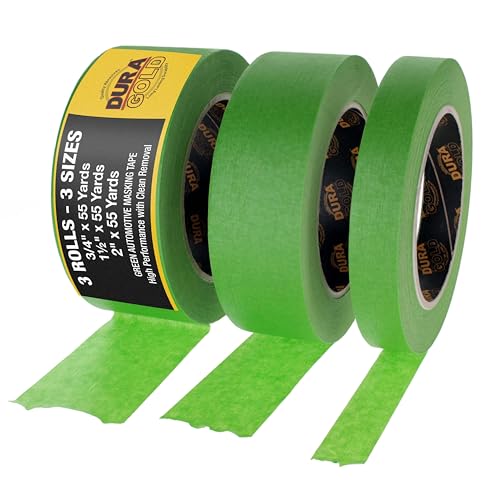
Professional-Grade Performance: This versatile, high-performance green automotive masking tape is made in Italy and built for the toughest jobs. It is designed for the collision repair industry, but is also suitable as a workhorse masking tape for a wide range of industries and applications. Ideal for use in body shops for auto refinishing and car detailing, for industrial metalworking and woodworking shops, DIY projects, and as a household painter's tape.
Avoiding Gunked-Up Crevices
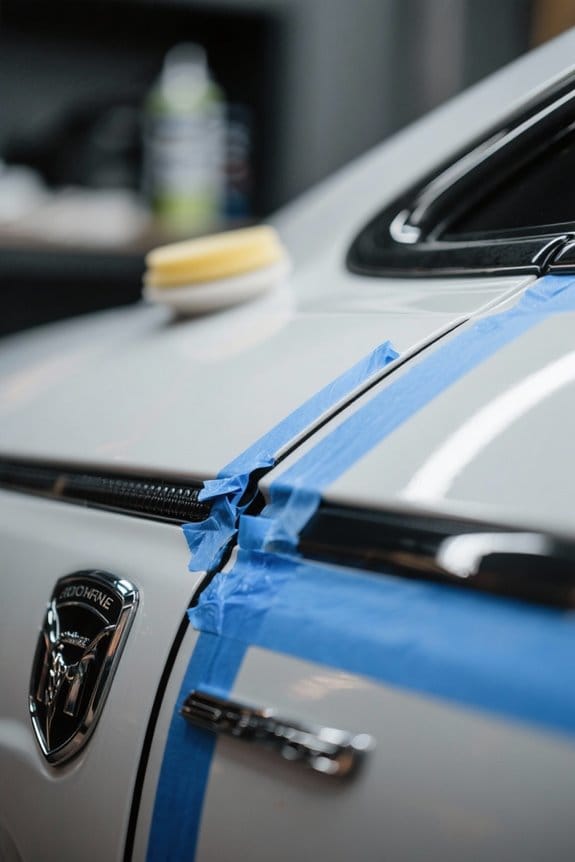
Polishing often leads to challenges with gunk getting trapped in crevices. To combat this, proper masking is crucial. Using automotive masking tape can shield trim and edges from polish and compound, allowing for a cleaner process. Apply tape gradually to make certain all critical areas are protected before polishing begins. During the job, regularly check tape adhesion; lifting can let gunk sneak in. Once polishing is done, remember to inspect the masked areas for any residue. Quick removal of this residue is essential. For optimal results, consider using durable materials to enhance the longevity and heat resistance of your polishing tools, as these factors contribute to a cleaner and more efficient polishing process.
Recommended Products

TOUGH: Durable crepe paper backing helps resist solvents and moisture while minimizing bleed through

DELIVERS SHARP PAINT LINES: Adhesive resists lifting and curling, prevents bleed through, helping to maintain sharp paint lines

High-Performance Masking Tape: Designed specifically for automotive refinishing tasks, ensuring clean and sharp paint lines.
Preventing Cross-Contamination
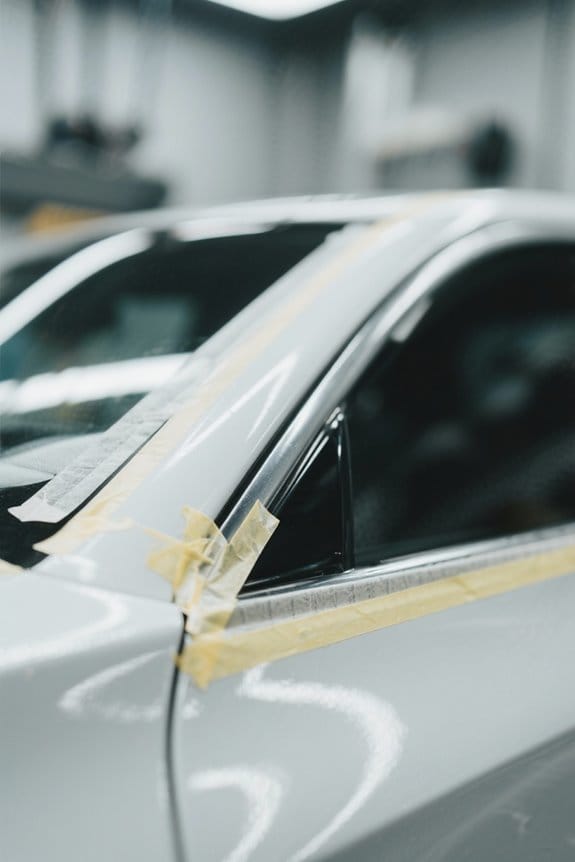
Cross-contamination can derail a perfect detailing job. During polishing, unwanted residue can accumulate if surfaces aren’t properly protected. Using masking tape is essential. It creates a barrier, shielding trim, edges, and delicate areas from polish. Make sure to tape around intricate features, as these spots are more vulnerable to contamination. When using multiple products, the risk increases. Different chemicals might react, causing defects. That’s why preventing cross-contamination is crucial. Regularly inspect tape adhesion. An intact seal is fundamental for maintaining a clean workspace. For effective protection, consider non-abrasive solutions that ensure surfaces remain undamaged during the detailing process.
Recommended Products

8-Size Versatility: Cover any project with this complete set of 8 precise widths (1/12", 1/10", 1/8", 1/6", 1/5", 1/4", 1/3", 2/5"). Perfect for fine detailing, general masking, and broad coverage—all in one convenient kit
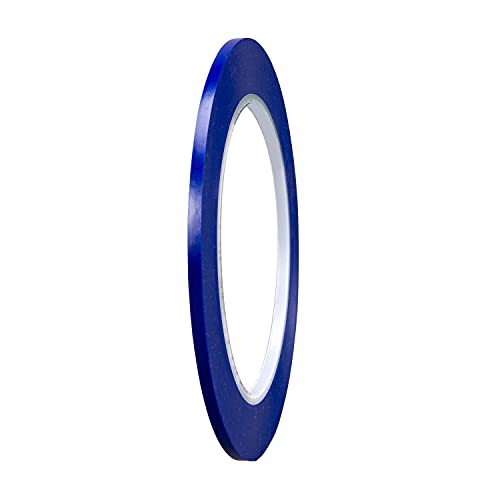
DESIGNED FOR FINE LINE AND CRITICAL PAINT MASKING: The 471+ vinyl tape is a conformable tape used to create sharp, fine paint lines for striping, color separation and complex designs

Professional-Grade Performance: This versatile, high-performance green automotive masking tape is made in Italy and built for the toughest jobs. It is designed for the collision repair industry, but is also suitable as a workhorse masking tape for a wide range of industries and applications. Ideal for use in body shops for auto refinishing and car detailing, for industrial metalworking and woodworking shops, DIY projects, and as a household painter's tape.
When Taping Is Appropriate
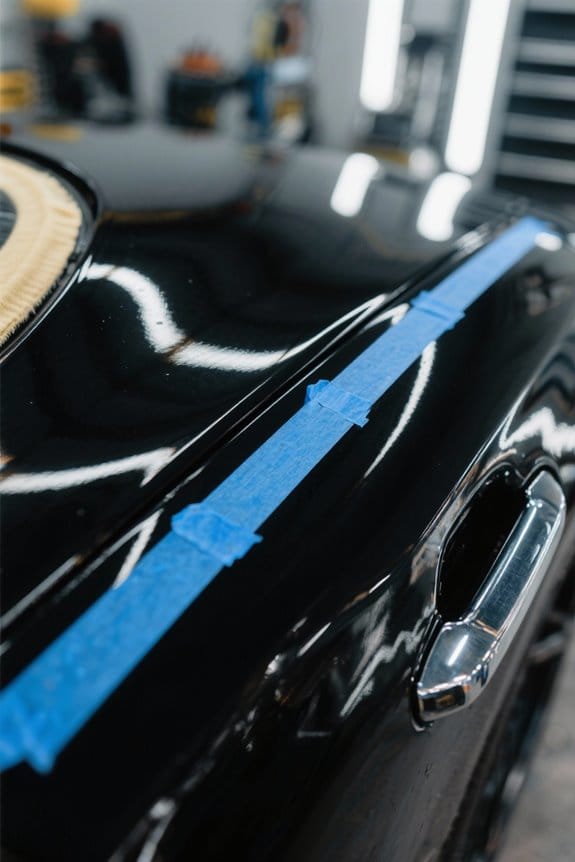
When it comes to detailing, using tape can be a game changer. Taping is particularly significant when there’s a risk of damaging nearby surfaces or changing their appearance. Areas with intricate edges or trims often require careful attention. Different masking techniques should be considered for each task. This means judging the potential for overspray, residue, or abrasion. Masking tape should be used to protect surfaces that won’t undergo treatment, such as window trim and panel gaps. Making sure to cover such areas prevents unwanted contamination. Discretion is essential; different detailing methods pose various risks. Experts recommend evaluating each situation individually to determine if masking is necessary. User-friendly designs allow for plug-and-play installation without complex wiring, which enhances the detailing process. This strategic preparation is key to achieving a professional finish.
What You Should Mask Off
Masking surfaces is an essential step in detailing. It protects areas that could be damaged during the polishing process. Always remember to mask off trim, plastic parts, and panel gaps. These are the spots where polish residue can linger and affect appearance.
You should also assess which components might need extra protection from harm. Gradually apply masking tape in sections, ensuring it sticks well. Remove tape from one section before starting another to keep everything neat and tidy.
Using visual guides can also help you spot specific areas that require masking. The right prep makes all the difference in achieving a smooth finish. So take your time and make sure every vulnerable area is covered!
When choosing a polishing compound, consider its defect removal capability, as some compounds are specifically designed for removing scratches and oxidation.
Recommended Products

Lichamp Automotive Refinish Masking Tape is a yellow crepe paper masking tape designed specifically for excelling at all general masking applications in the collision repair industry (cars, trucks, other specialty vehicles) for general paint masking

Suitable for Fine Critical Edges: masking tape has a thin width of 1/ 16 inch, 1/ 8 inch, 1/ 4 inch, 1/ 2 inch, 3/ 4 inch, 36yard( 33m) / roll, suitable for edge positions, such as customized automotive and motorcycle paint graphics, narrow mask curves and so on, helping you achieve desired effects

Professional Adhesion: Bonds cleanly to metal, plastic, glass, and painted surfaces for accurate automotive and industrial masking
Using The Right Tape
Choosing the right tape is essential for a successful detailing job. Using automotive masking tape designed specifically for detailing guarantees a secure bond. This type of tape allows for clean removal without damaging surfaces during polishing. Opt for tapes with temperature ratings that exceed the heat generated when polishing. This choice prevents lifting and maintains adhesion. When applying tape, go slowly along edges for complete coverage of vulnerable areas. Regularly check tape lines during the process, replacing any sections that lose stickiness. Finally, use precision tools like scalpels or tweezers for removing tape. This careful removal guarantees crisp, clean lines, adding to the impeccable finish of the surface. Choosing the right tape can greatly enhance your detailing results. For a seamless finish, consider using 3M Precision Masking Tape that prevents paint seepage and ensures clean lines in your car projects.
Taping As You Go
Taping as you go brings precision to the detailing process. This method involves using masking tape on vulnerable areas during polishing. By applying tape gradually, you protect surfaces and simplify cleanup. It also helps maintain clean lines around those tricky spots. Here are some tips for successful taping:
- Use automotive masking tape, designed for easy removal and strong adhesion.
- Work in small sections to keep the tape effective.
- Always remove tape from previously masked areas before starting new sections.
This approach not only protects trim and panel gaps but also minimizes cross-contamination risks. Embracing taping as you go guarantees a smoother, more efficient detailing workflow, giving you the results you’re aiming for while safeguarding your vehicle’s surfaces. For added durability and style, consider using protective lug nut covers to shield your bolts from environmental damage during detailing.
Getting Inside The Crevices
When detailing a vehicle, attention to small details makes a significant difference. Getting into those tight crevices is essential. Automotive tape is much more than a simple tool; it creates a barrier against polish residue in edges and gaps. Using precise, small pieces of tape helps protect intricate features from overspray. Make certain to check the tape’s adhesion regularly. Gaps in sealing can lead to a messy finish. Before taping, consider using detail brushes to clean out any residue. This guarantees peak sealing and protection. Consider using LED strip lights with app control for easy color and mode customization to enhance the car’s interior ambiance while detailing. In this masking article, the key takeaway is that proper preparation leads to a high-quality finish. So, take the time to mask those crevices effectively before polishing begins!
Additional Tips for Effective Masking
While it may seem straightforward, mastering the art of effective masking can greatly enhance any detailing project. Keep a steady supply of high-quality automotive masking tape. This guarantees secure adhesion and easy removal. To maximize effectiveness, tape inside crevices and along the perimeter of features. Don’t limit yourself to just flat surfaces. A well-planned masking strategy tackles one panel at a time. Gradually remove tape from previous areas before starting a new section, keeping control. Additionally, engage with the detailing community. Sharing tips can lead to discovering new techniques that improve results. Regularly check the adhesion of your tape throughout the process, confirming it remains in place. Each detail counts in achieving a clean, polished finish—so use these strategies wisely! For additional protection, consider using privacy window films that block up to 96% of UV rays, which can protect car interiors from fading and damage.
Monitoring Tape Adhesion
Even with a solid masking strategy in place, monitoring tape adhesion remains essential for achieving a flawless finish. Regularly check your masking tape during the polishing process. Factors such as temperature and surface cleanliness can impact how well the tape sticks. Look closely at the edges for any lifting or peeling, indicating inadequate tape adhesion. This could lead to overspray or polish contamination on protected surfaces. Always choose automotive masking tape over household options for peak adhesion and clean removal. If you notice signs of reduced adhesion, replace the tape promptly. Keep in mind that humidity and temperature may also affect the tape’s performance. By staying vigilant, you guarantee a cleaner, sharper finish on your project.
Frequently Asked Questions
What to Tape off When Polishing?
When polishing, surfaces such as trim, adjacent paint, and panel gaps should be taped off using effective taping techniques. This guarantees safe polishing and ideal surface protection, preventing damage or contamination during the polishing process.
How to Get Perfect Lines With Masking Tape?
Like a skilled artist crafting a masterpiece, achieving perfect lines with masking tape requires precise tape positioning tips, mastering perfect edge techniques, and avoiding common polishing mistakes, ensuring a clean, vibrant finish that captivates the eye.
How to Mask a Car for Polishing?
To mask a car for polishing, one should utilize effective masking techniques, ensuring proper surface preparation. Applying automotive masking tape strategically protects adjacent surfaces and maintains clean lines when using polishing products during the process.
What Tape to Use When Polishing?
Like a protective guardian, high-temperature automotive masking tape offers exceptional tape durability and adhesive strength, ensuring clean tape removal. Ideal for polishing, it shields delicate surfaces while withstanding the heat generated during the process.