As an Amazon Associate, we earn from qualifying purchases. Some links on this site are affiliate links at no extra cost to you. Our recommendations are based on thorough research and editorial judgment.


Fabric vs. Leather vs. Vinyl: Cleaning Chemistry And Care Differences

Fabric, leather, and vinyl each need specific care. Fabric is cozy but stains easily. Regular vacuuming and gentle cleaners keep it looking fresh. Leather feels luxurious but requires conditioning every few months to avoid cracks. Vinyl, a tough choice, resists stains and needs specific cleaners; avoid all-purpose ones. Remember, each material has its quirks. Understanding these differences can help you choose the right care method. Curious to learn more about maintaining these materials effectively?
Key Takeaways
- Fabric upholstery is porous and requires regular vacuuming and protective sprays to manage stains and odors effectively.
- Leather needs pH-balanced cleaners and conditioning every 3-6 months to prevent cracking and maintain its luxurious feel.
- Vinyl is durable and stain-resistant but can be damaged by high-pH all-purpose cleaners; use vinyl-specific products for cleaning.
- Cleaning fabric involves vacuuming, spot treatment, and potentially steam cleaning, while leather care includes thorough cleaning followed by conditioning.
- Vinyl maintenance includes rinsing with a damp cloth and applying UV-protectant spray to prevent fading and cracking over time.
Understanding the Unique Properties of Fabric, Leather, and Vinyl
You may be interested

When it comes to upholstery, understanding the unique properties of fabric, leather, and vinyl is essential. Fabric is porous, making it prone to stains and odors. It requires specialized cleaners with less moisture during cleaning. Leather, while luxurious and durable, requires pH-balanced cleaners and regular conditioning to maintain its supple texture, preventing cracking. Vinyl, on the other hand, boasts high durability and stain resistance. It’s easy to clean with all-purpose products, but lacks the comfort of the other two options. Each type has distinct maintenance needs: – Fabric: regular vacuuming, protective sprays – Leather: conditioning creams – Vinyl: UV protectants to avoid fading. Knowing these attributes helps in selecting the best options for your upholstery care. For leather, consider using leather conditioners that provide UV protection to prevent damage from sun exposure and maintain its appearance.
Recommended Products
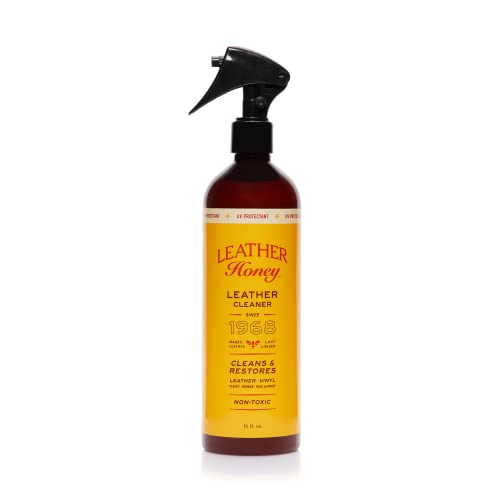
NON-TOXIC, POWERFUL LEATHER CLEANER + UV PROTECTANT: The same reliable formula in a convenient spray + UV protectant. Our proven, rejuvenating formula is a powerful, fragrance-free leather cleaner ideal for all your leather goods, plus vinyl, faux leather, vegan leather, plastic and rubber. (Not for suede.)

ULTIMATE CONDITIONING: Bring your leather interior back to life with GLW Series Leather Conditioner. Providing essential nourishment, this product replenishes the natural oils that leather loses over time, preventing it from becoming dry, cracked, or brittle. GLW Series Leather Conditioner moisturizes leather to restore its original vibrancy and supple feel.

POWERFUL LEATHER CONDITIONER: Leather Honey penetrates deep to protect new leather and rejuvenate dry leather and old leather. Unlike other products that require monthly treatments, one application of Leather Honey lasts at least six months.
Cleaning and Maintenance Techniques for Fabric Upholstery

Cleaning fabric upholstery requires a systematic approach to achieve the best results without damaging the material. Start with thorough vacuuming using an upholstery attachment. This step removes dust and dirt effectively, especially from seams. For stubborn stains, apply a fabric cleaner and gently use a soft brush to agitate the area. This technique helps lift stains without harming the fibers. After treatment, blot excess moisture with a clean microfiber towel. Lightly rinse with a damp cleaning cloth to avoid over-saturating your fabric. For ongoing care, consider applying a fabric protectant spray to repel future spills. Steam cleaning is another excellent method, as it sanitizes effectively while minimizing moisture risk. Regular maintenance will keep your upholstery looking fresh and vibrant. To ensure fabric compatibility, pre-test any cleaner on a hidden area to avoid adverse reactions.
Recommended Products

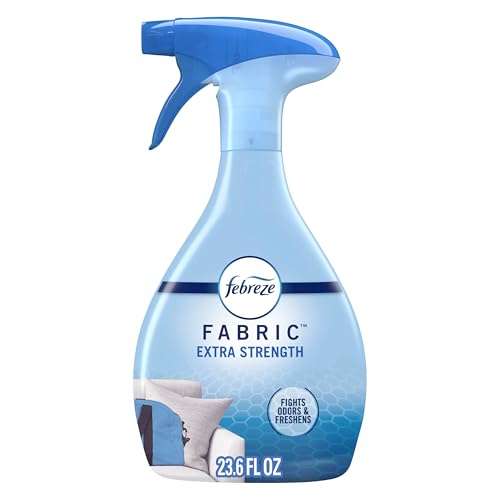
Removes Both Oil & Water-Based Stains

Strong fabric protection repels water based spills for easier cleanup
Care Regimens for Leather Upholstery: Importance of Conditioning

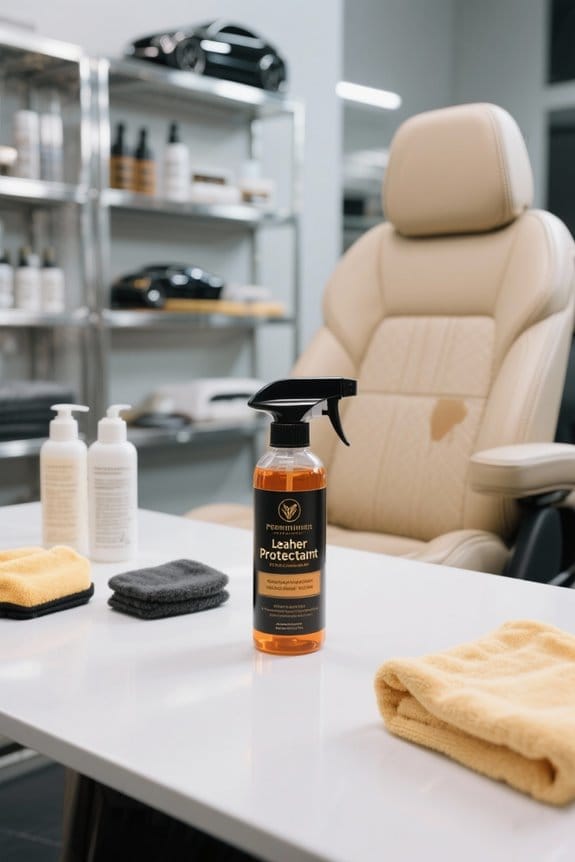
Maintaining leather upholstery isn’t just about keeping it clean; it’s also about protecting and nourishing the material. Conditioning leather upholstery is essential for replenishing the natural oils that keep the leather flexible. Regular conditioning, ideally every 3-6 months, helps prevent drying or cracking, especially in luxury vehicles exposed to sunlight. High-quality automotive leather conditioners are designed to protect the coating while enhancing the leather’s luster. Neglecting this step can lead to irreversible damage, such as cracking or fading. After cleaning leather, always follow up with conditioning. This guarantees the durability and resistance of your leather interiors, making them easier to maintain. So think of conditioning as preventative maintenance—it’s necessary for keeping your leather looking its best for years to come. Consider using products like Leather Honey Leather Conditioner, which offers long-lasting protection and is highly rated for its effectiveness, ensuring that your leather remains supple and vibrant.
Best Practices for Cleaning Vinyl Upholstery

Vinyl upholstery has become a popular choice for car interiors and furniture due to its durability and low maintenance. To effectively clean vinyl, start by vacuuming surfaces thoroughly. Don’t forget the seams and crevices where dirt can hide. Use cleaning products designed for vinyl, like P&S Xpress Interior Cleaner mixed with warm water, and apply with a soft cloth to protect the surface. After cleaning, rinse with a damp cloth to remove any residue. To extend the life of vinyl upholstery, apply a UV-protectant spray regularly. This helps prevent fading and cracking caused by sun exposure. Avoid using diluted all-purpose cleaners, as their high pH levels can harm the vinyl over time. Chemical Guys Total Interior Cleaner is highly rated for its versatility and ability to clean multiple surfaces without leaving a greasy residue. Keeping your clean car looking new is easier than you think!
Recommended Products
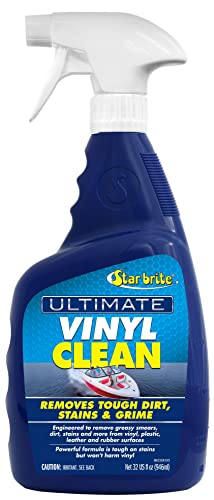
POWERFUL FORMULA: Star brite Ultimate Vinyl Cleaner blasts away the toughest dirt, grime, and greasy stains from vinyl, plastic, rubber, and leather surfaces
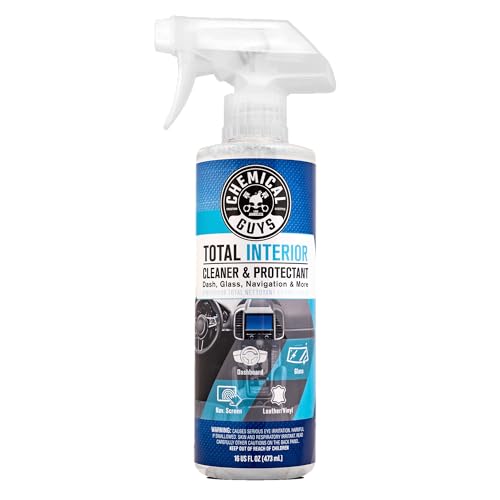
ALL-IN-ONE CAR INTERIOR CLEANER (SPI22016) – Favored by car care enthusiasts and detailers nationwide, this versatile formula cleans and protects leather, vinyl, plastic, rubber, and glass for a fresh, streak-free finish
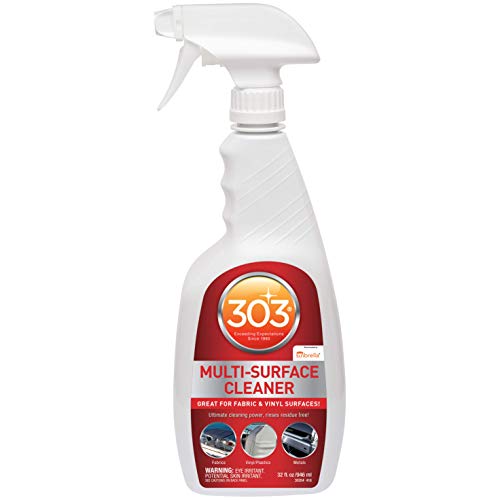
Cleans and brightens – Recommended by Sunbrella, a leading outdoor fabric manufacturer, 303 Marine Multi-Surface Cleaner provides the ultimate cleaning power for all water safe surfaces, including all types of fabric and vinyl
Comparing the Durability and Aesthetics of Each Material

How does one choose the best upholstery material for their needs? When considering durability, vinyl outshines fabric seats and even leather seats. It resists scratches, tears, and moisture, making it ideal for busy environments. Unfortunately, vinyl often lacks the premium feel of leather, which, while luxurious, requires regular maintenance to avoid cracking. In terms of aesthetics, high-quality faux leather can mimic real leather but still falls short. Fabric, while cozy, is prone to stains and wear, especially in high-traffic areas. Car interiors with leather often have a sophisticated look, while vinyl’s appearance can seem a bit plastic. A waterproof feature in materials like Nappa leather can enhance protection against spills and stains. Ultimately, durability and aesthetics vary, impacting your choice based on cleaning and maintenance preferences.
Frequently Asked Questions
Is Fabric Easier to Clean Than Leather?
Fabric types are generally easier to clean than leather, utilizing various cleaning methods for efficient stain removal. Maintenance tips emphasize routine care, while durability comparison highlights odor absorption and long-term care, affecting cost factors and color fading.
What Cleaners Should Not Be Used on Vinyl?
Harmful chemical interactions with vinyl surface maintenance can occur using diluted all-purpose cleaners, ammonia, harsh solvents, or abrasive materials. Selecting recommended vinyl cleaners guarantees effective stain removal methods while preventing UV damage and protecting vinyl longevity.
Is Leather Cleaner Than Fabric?
Leather is generally cleaner than fabric due to its durability, water resistance, and lower bacteria growth. However, cleaning methods differ, with leather requiring specialized care and fabric needing intensive maintenance routines for stain removal and allergy concerns.
Is Vinyl Fabric Easy to Clean?
Vinyl fabric is easy to clean, exhibiting excellent stain resistance and durability. Maintenance tips include using gentle cleaners; popular brands enhance longevity. While aesthetically appealing, comfort levels may vary, and environmental impact considerations exist.