As an Amazon Associate, we earn from qualifying purchases. Some links on this site are affiliate links at no extra cost to you. Our recommendations are based on thorough research and editorial judgment.

Leather Care Myths: Oils, Conditioners, And Modern Coated Leather

Many myths exist about leather care that can harm your items. For instance, all-purpose cleaners may seem safe but often contain high pH levels that damage genuine leather. Similarly, baby wipes can strip essential oils, leading to discoloration. Mink oil is thought to condition leather but can actually make it brittle. Oils from home sources create buildup that can ruin finishes. It’s important to use pH-balanced cleaners specific to your leather type. Want to learn more?
Key Takeaways
- Household oils can create buildup on leather surfaces, leading to delamination, rather than providing nourishment or conditioning benefits.
- Mink oil, while traditionally used, can cause brittleness and fails to effectively restore essential moisture in leather over time.
- Not all leathers require the same conditioning frequency; PU-coated leather needs less attention to avoid over-conditioning effects like bagginess.
- All-purpose cleaners damage leather due to high pH levels and should be avoided in favor of pH-balanced products designed specifically for leather care.
- Users have noted that traditional oil-based conditioners can crack modern polyurethane-coated leather, emphasizing the need for appropriate product selection.
Leather Care Myth #1: All-Purpose Cleaners Are Safe for Leather
You may be interested


When it comes to cleaning leather, many people mistakenly believe that all-purpose cleaners are a safe option. In reality, these cleaners have a high pH level, around 11, which can harm genuine leather. Leather products need a balanced pH of 5–6. High-alkaline cleaners lead to swollen leather and fading. Using a specialized leather cleaner is crucial. Designed for the unique properties of coated leather, these products maintain the material’s integrity. Harsh chemicals in regular cleaners can dry out leather over time, causing cracks. To protect your investment in quality leather goods, stick to pH-balanced cleaners specifically formulated for leather care. This choice helps guarantee the longevity and beauty of your favorite leather items. Additionally, selecting the right air purifier for your vehicle can improve air quality and protect the interior, including leather surfaces, from pollutants and odors.
Leather Care Myth #2: Baby Wipes Can Be Used to Clean Leather

While many might think that baby wipes are a convenient option for cleaning leather, this belief is misguided. Baby wipes often have an alkaline pH, which can harm genuine leather over time. This damage includes stripping natural oils essential for keeping leather supple and durable. Using baby wipes can lead to discoloration and fading, thereby affecting leather’s overall appearance. Additionally, many wipes contain fragrances and chemicals that leave residues, attracting dirt and causing further wear. For proper cleaning and conditioning, it’s best to use leather-specific products. Look for leather conditioners or cleaner solutions that protect your items while nourishing their natural texture. Remember, treating leather well from the start will guarantee it looks great for years.
Leather Care Myth #3: Mink Oil Is the Best Leather Conditioner

Many people believe that mink oil is the best leather conditioner available. However, this isn’t true for modern leather care. While mink oil was commonly used in the past, it can actually dry out leather over time. This leads to brittleness and cracking, which nobody wants. Unlike specially formulated leather conditioners, like Leather Honey, mink oil does not restore moisture or flexibility. It can change the leather’s texture and impede its ability to breathe properly, compromising its integrity. With the rise of modern leather coatings, such as polyurethane, using products designed for these materials is essential. Trust the experts: choose dedicated leather conditioners to keep your items looking great and lasting longer. Moreover, many leather repair kits now offer eco-friendly materials that enhance the safety and durability of your restoration projects.
Leather Care Myth #4: Household Oils Can Be Used as Leather Conditioner
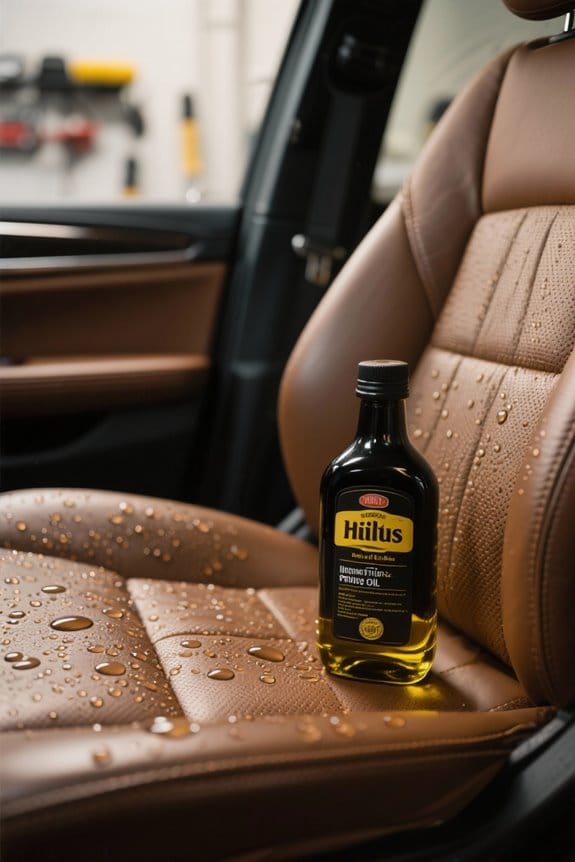
Household oils, like olive and coconut oil, may seem like a tempting solution for conditioning leather, but they can do more harm than good. These oils don’t penetrate the leather effectively. Instead, they create a surface layer that traps dust and moisture. Over time, this can lead to brittleness and undesirable odors. Think twice before using oil on coated leathers. It can actually risk delamination of the protective finish. Professional leather care products, like Leather Love, are specifically designed to nourish leather without causing damage. They contain fast-drying emollients that keep leather supple and strong. So, when it comes to leather care, stick to products made for the job, and save your kitchen oils for cooking! When choosing products to protect your leather, consider the durability ratings similar to those in high-quality ceramic coatings, which promise long-lasting effectiveness and protection.
Leather Care Myth #5: Conditioning Leather Is Always Necessary

Not all leather types require the same level of care. Many people mistakenly believe that conditioning is always necessary. In reality, modern PU coated leather needs less frequent conditioning than uncoated types. Over-conditioning can lead to issues like bagginess or tearing, as conditioners can trap oils unnecessarily. For coated leather, conditioning just 2-3 times a year often suffices. Cleaning is usually the main focus for maintaining these surfaces. A great product for this is Leather Love, which is formulated specifically for coated leathers. It helps maintain the appearance without heavy conditioning. Understanding these differences can save time and preserve the lifespan of your leather items. So, remember: not every leather type needs the same TLC! Many leather care kits, like those from Chemical Guys, offer dual-functionality to streamline the leather maintenance routine.
The Dangers of Using Improper Products on Leather
When it comes to caring for leather, using the wrong products can cause serious damage. Oil-based conditioners and household oils, like olive oil, can lead to rotting and unpleasant odors. These oils may dehydrate leather, harming its integrity. Moreover, many cheap leather care products contain harmful ingredients. They can accelerate degradation, especially for automotive leather with a protective coating. Common household cleaners, such as alkaline degreasers, can swell hides and strip essential dyes, affecting appearance. Alcohol-based cleaners are another risk; they can remove protective surfaces, causing discoloration. It’s essential to choose specialized products to keep leather healthy and long-lasting. For effective leather care, consider using high-quality products like Leather Honey Leather Conditioner, which provides long-lasting protection and rejuvenates old leather. Remember, proper care keeps your leather looking its best!
Understanding Modern Coated Leather
Understanding modern coated leather is essential for anyone looking to maintain their leather goods properly. More than 90% of leather, especially in cars, is coated with polyurethane. This coating changes how the leather should be cared for compared to traditional types. To clean coated leather effectively, use specialized cleaners designed for its surface. Avoid oil-based products, as they can cause delamination, ruining the material. Regular use of light, non-sealing conditioners helps keep the leather flexible and protects its appearance. Products like Leather Love penetrate the polyurethane without damaging it. Additionally, consider using eco-friendly materials for accessories like rear bumper protectors, which can complement the leather’s longevity and style.
Recommended Products for Leather Care
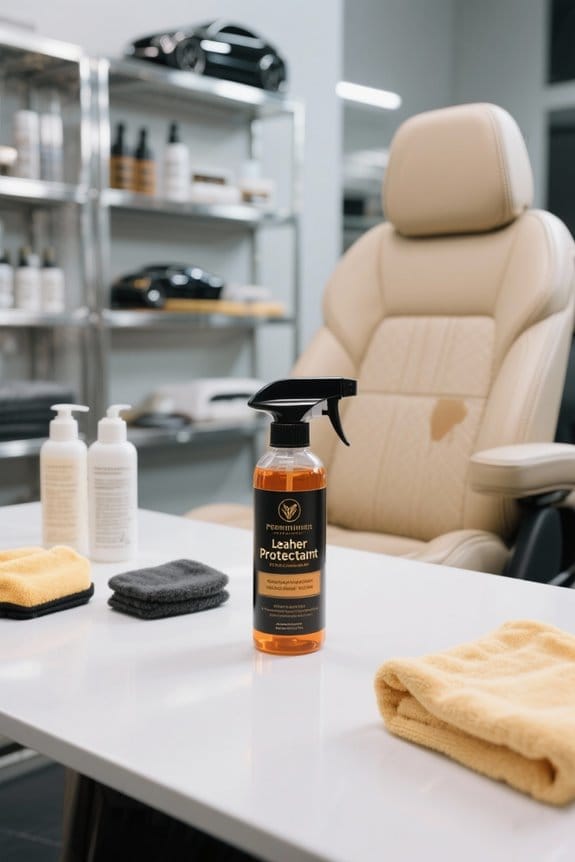
Taking care of leather goods requires the right products, especially nowadays with so many options available. Leather Honey stands out as a top-rated leather conditioner, effectively restoring moisture without using harmful household oils. For cleaning, a dedicated leather cleaner is essential. It lifts dirt while preserving the leather’s natural oils, ensuring durability and shine.
For thorough care, consider a Leather Care Kit. This kit includes several recommended products tailored for various leather types. If caring for delicate materials like suede or nubuck, use a Suede & Nubuck Cleaner to avoid damaging their texture.
Lastly, Leather Care Wipes offer convenience for quick, on-the-go maintenance, making them perfect for busy lifestyles without the risks of all-purpose cleaners.
The Importance of Ph-Balanced Cleaners
Despite common assumptions, not all cleaners are suitable for leather care. Using pH-balanced leather cleaners is crucial for maintaining genuine leather. Many household cleaners have high pH levels, which can strip away natural oils and damage your leather products.
For instance, automotive leather is often tanned to maintain a pH around 5–6, so it’s important to use compatible cleaners. High-alkaline sprays, such as kitchen degreasers, can cause serious harm by swelling the leather hide.
Resolve Liquid Multi-Fabric Cleaner is effective for various stains like food grease, coffee, and wine, but requires testing for colorfastness before application to ensure it is suitable for your specific leather type.
Dedicated pH-balanced cleaners work gently, lifting dirt while preserving necessary oils. Regular use can prevent issues like drying, cracking, and discoloration. Always choose the right cleaner for healthy, long-lasting leather!
How to Identify Different Types of Leather
How can someone tell the difference between types of leather? Identifying leather type involves a few simple tests. First, try the water drop test. Genuine leather absorbs water, while coated leather causes beads to form. Next, scratch the surface lightly. If a color change appears, you likely have aniline leather, which is rare today. A lack of color change indicates coated leather. Modern automotive leather is often pigmented and PU-coated. This knowledge is essential when selecting cleaning products. For coated leather, opt for specialized products like Leather Love or Leather Guard. These are formulated to protect and maintain your leather. Regular cleaning prolongs the lifespan of leather items. With these tips, you can confidently identify leather types and choose the best care methods.
Tips for Maintaining Leather Quality
Maintaining leather quality is essential for ensuring longevity and preserving its beauty. For good leather, regular cleaning is vital. Use pH-balanced, water-based cleaners specifically designed for modern coated leather to keep surfaces looking pristine. Avoid household oils and petroleum-based products; they can clog pores and cause cracking. Conditioning is important, but balance is key—limit it to 2-3 times a year to prevent over-conditioning. Consider dedicated products like Leather Love. They effectively restore moisture and flexibility without harming the material’s structure. To keep your leather looking great, vacuum periodically and clean with soft cloths. Always steer clear of abrasive materials and harsh chemicals. Automotive foam tapes, known for their shock-absorbing qualities, can also be useful in reducing vibrations and noise, enhancing the comfort and longevity of your car’s interior. By following these tips, leather is still capable of delivering beauty and durability for years to come.
User Tips and Experiences With Leather Care Products
Users often share valuable insights about leather care products that can really make a difference. Experiences show that traditional oil-based conditioners might crack modern polyurethane-coated leather. Instead, products like Leatherique have gained praise for reviving older, dried leather more effectively than some common brands.
For leather seats, many recommend specific protectants like Leather Love. This helps maintain the flexibility of coated leather and prevents issues like delamination.
Forums are filled with discussions on proper leather care, emphasizing the importance of selecting the right products. Users caution against general-purpose cleaners, which can be harmful over time. Their shared experiences guide others in finding suitable conditioners tailored to different types of leather for lasting quality and appearance.
Frequently Asked Questions
What’s the Best Leather Conditioner on the Market?
The ultimate leather conditioner on the market is Leather Honey, renowned for its astonishing moisturizing benefits. It outshines both natural and synthetic leather conditioners, ensuring leather remains impeccably supple and stunning without the risk of damage.
Is Oil or Conditioner Better for Leather?
In evaluating leather maintenance techniques, conditioners are generally preferred over oils. While natural and synthetic options exist, conditioners effectively enhance moisture retention effects in leather, preventing damage and promoting longevity without clogging its pores.
What Is the Best Oil for Leather Care?
The best oil for leather care includes neatsfoot and mink oils, known for their nourishing properties. Proper application techniques involve using a soft cloth and applying evenly, ensuring minimal excess to prevent damage and maintain leather integrity.
What Should You Not Use on Leather?
Using household oils, baby wipes, or mink oil on leather is akin to pouring poison on a delicate flower. Such common leather mistakes mar beauty and durability, rendering effective leather cleaning tips and protection products moot.