As an Amazon Associate, we earn from qualifying purchases. Some links on this site are affiliate links at no extra cost to you. Our recommendations are based on thorough research and editorial judgment.

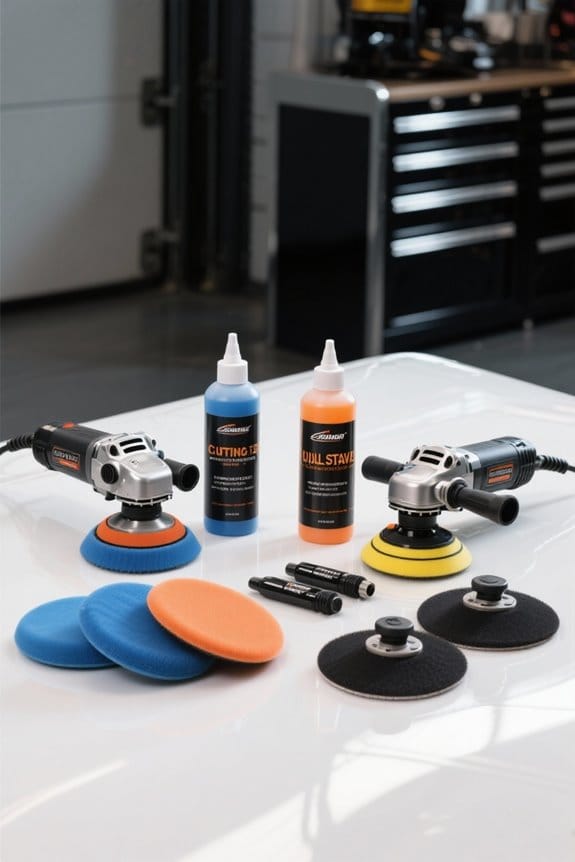
Single‑Stage vs. Multi‑Stage Polishing: Pros, Cons, And Expectations

When choosing between single-stage and multi-stage polishing, it’s crucial to know their differences. Single-stage polishing is quicker and more affordable, providing 60-80% improvement for light imperfections. It’s a great option if you’re on a budget. On the other hand, multi-stage polishing is a more thorough process. It addresses deeper defects and can take over 10 hours, giving a pristine, show-ready finish. Each method has its merits, so consider your vehicle’s needs and expected outcomes before deciding. Keep reading to discover how to maintain those results!
Key Takeaways
- Single-stage polishing is cost-effective ($250-$600) and time-efficient (4-6 hours), ideal for minor surface imperfections.
- Multi-stage polishing provides superior results, taking 10-20+ hours and addressing deeper scratches, costing between $600 and $1,500+.
- Single-stage correction improves gloss by 60-80% but cannot remove significant flaws, leaving some imperfections visible.
- Multi-stage correction yields a pristine, show-ready finish with a glass-like appearance, enhancing overall vehicle aesthetics.
- Post-polishing care is essential for both methods; sealants and routine washes help maintain the results and protect the finish.
Understanding Paint Correction
You may be interested


When it comes to car care, paint correction is like giving your vehicle a fresh makeover. The paint correction process aims to repair vehicle’s paint by removing surface defects, such as swirl marks and scratches. It enhances gloss and clarity, making the car’s exterior shine. There are two main types: Single-Stage vs. Multi-Stage Paint. Single-stage correction is quicker, generally taking 4–6 hours, and is ideal for light imperfections, providing a 60–80% improvement. On the other hand, multi-stage correction focuses on deeper defect removal. This more intensive approach can require upwards of 20 hours but results in a flawless finish. Understanding your expectations can help you choose the right method for effective paint restoration. For those dealing with oxidized and faded paint, an automotive rubbing compound can be an effective solution.
Single-Stage Polishing Explained

Single-stage polishing offers a straightforward solution for car owners looking to enhance their vehicle’s appearance without a lengthy commitment. This method, also known as one-step correction, combines cutting and finishing into a single process. It’s perfect for addressing minor swirl marks and light oxidation. Typically, single-stage polishing provides a 60–80% improvement in paint correction. This budget-friendly option is a cost-effective service, usually costing between $250 and $600. It generally requires 4–6 hours of work using a dual-action polisher and a medium cut/finish combo pad. However, while it effectively tackles light paint imperfections, this method may not fully address deeper issues. For daily drivers seeking quick enhancements, it’s a popular choice worth considering. For those who require achieving a flawless finish, multi-stage kits like the Chemical Guys TORQX offer a more comprehensive solution for dealing with deeper imperfections.
Recommended Products

Optimizes Workflow: With an impressive 40-minute battery life at full power, it’s designed for crucial tasks, offering consistent performance even in demanding conditions, with rapid recharge cycles; its efficient design optimizes workflow and boosts productivity

Compact Ergonomic Design: Lightweight and compact construction improves maneuverability and comfort, making it easier to work on intricate surfaces and precision polishing applications

Compact Ergonomic Design: Lightweight and compact construction improve maneuverability and comfort, making it easier to work on intricate surfaces and precision polishing applications
Pros and Cons of Single-Stage Polishing

While single-stage polishing offers a range of benefits, it’s essential to weigh these against its drawbacks. This method is a time-efficient option, typically taking just 4–6 hours to complete. It serves as a cost-effective solution, generally priced between $250 and $600, appealing to budget-conscious car owners. The process can greatly improve your car’s paint condition by achieving a 60–80% boost in clarity and gloss. It’s quite suitable for addressing minor surface issues like swirl marks and light oxidation. However, there are limitations. Single-stage polishing cannot adequately tackle deeper scratches or considerable imperfections, leaving some flaws visible. For those with limited experience, its simplicity is a plus, but the results may not meet every expectation. Additionally, the use of quick-drying formulas in touch-up paints can complement single-stage polishing by efficiently addressing small imperfections.
Recommended Products

SUPER HEAVY DUTY AXLE JACK - AFF's 2-stage 50 & 25 Ton Truck Jack is designed for heavy duty lifting in the trucking, agriculture, fleet, and military sectors

North American made
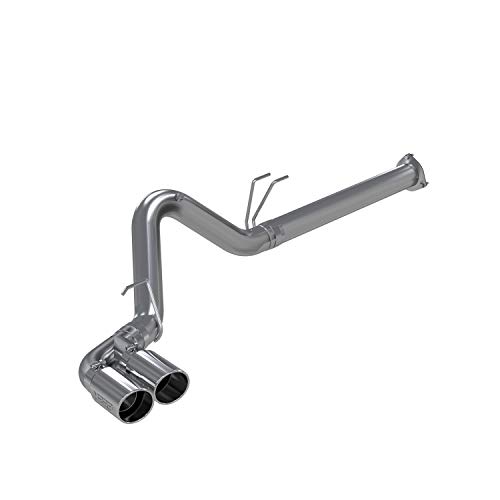
Material: 409 Stainless Steel, Dual exhaust
Multi-Stage Polishing Explained

For those seeking a pristine finish, multi-stage polishing is a step up from single-stage methods. This process uses separate cutting compounds to tackle deeper paint damage. The first stage employs a heavier cutting compound to remove significant flaws. After this, the second stage refines the surface, enhancing shine and gloss. Vehicle owners often choose multi-stage polishing for severe paint issues. The results can yield a glass-like finish, showcasing the vehicle’s beauty. However, achieving this paint perfection requires time and attention to detail, typically taking 10 to 20 hours or more. The investment ranges from $600 to $1,500+, reflecting the superior finish and quality associated with this advanced paint correction technique. Expect remarkable results with multi-stage polishing! Chemical Guys TORQX is often recommended for beginners who are interested in starting their journey with dual action polishers, offering a user-friendly design and effective results.
Recommended Products
Variable speed goes anywhere from 100 to 1,100 RPM on the low setting and 100 to 2,500 RPM on the high setting

Microfiber Polishing: The D-A Ultra-Fine Microfiber Polishing material combined with an extremely soft foam interface allows this pad to boost the defect removing power of ultra-fine polishes

Reduced Vibration: Advanced POLYSYNTHEC composite gears reduce vibration, noise, and friction to deliver smoother operation, enhanced user comfort, and more consistent polishing results during extended use
Pros and Cons of Multi-Stage Polishing

When considering multi-stage polishing, it’s essential to weigh the pros and cons. One major advantage is its ability to restore a vehicle’s paintwork remarkably. The process typically involves using a cutting compound to tackle deep scratches, followed by a polishing compound for a glossy finish. This method is particularly beneficial for cars with substantial paint damage or those prepared for shows. However, multi-stage polishing can be costly, ranging from $600 to $1,500, depending on various factors. This approach also requires expertise in execution to avoid potential risks, like thinning the clear coat. Plus, there’s the added benefit of customization options, allowing detailers to tailor the process based on the vehicle’s paint condition. Advanced abrasive technologies in multi-step systems enhance defect removal, making them ideal for achieving professional-grade results. Overall, carefully consider your needs before committing.
Recommended Products

Innovative, toll-free quick-change system for the exchange of drive types rotary and random orbital

Lifetime Structural Warranty Classic Horizontal Design 6061/6063 Billet Aluminum Black Powdercoat Finish

HIGH GLOSS BOAT POLISH: Our Multi-Stage Marine Polish and oxidation remover leaves no unsightly buffer trails, only a flawless, high-gloss finish
Key Differences Between Single-Stage and Multi-Stage
Understanding the key differences between single-stage and multi-stage polishing can make a significant impact on vehicle care. Single-stage polishing combines cutting and finishing in one step. It works well for light surface imperfections and offers a 60-80% correction improvement. This process takes about 4-6 hours, making it efficient for daily drivers. In contrast, multi-stage polishing involves multiple steps for deeper correction. It achieves a higher quality finish, ideal for high-value or heavily neglected vehicles. This intensive process can take 10-20+ hours and risks thinning the clear coat if not done carefully. Ultimately, the choice between single-stage and multi-stage depends on the vehicle’s condition and the desired appearance, balancing efficiency with the level of correction needed. When undertaking vehicle care, using all-purpose cleaners can aid in maintaining a spotless finish, ensuring that the vehicle’s surfaces are well-prepared for polishing.
Cost Considerations for Each Method
Choosing between single-stage and multi-stage polishing often comes down to cost. Single-stage paint correction is budget-friendly, typically ranging from $250 to $600. It’s a cost-effective option for vehicles with minor imperfections, requiring only 4-6 hours for completion. On the other hand, multi-stage correction can set you back between $600 and $1,500 or more. This method is ideal for deeper defects, boasting a superior surface appearance but demanding 10-20+ hours of work. The higher costs come from the time and effort involved in achieving those pristine results. Evaluating the vehicle’s paint condition will help owners make the best choice, balancing cost with desired outcomes for their vehicles’ paint. Additionally, for those looking to upgrade their vehicle’s electrical system, considering dual-slot designs in fuse taps ensures safety for both existing and new circuits by preventing overloading.
Recommended Products

Complete Cordless Polishing System: Combines the versatility of the HLR15 iBrid with the precision of the HLR75 iBrid Mini to handle everything from large panel correction to intricate detailing applications

Give your Wrangler JK the Perfect Blend of Performance, Protection, and Style from Rough Country.
Most Realistic Paint-Replacement: VViViD Vinyls presents the newest evolution in vinyl wrap technology. Our Ultra Gloss range is the result of years of research and development, culminating in an almost mirror-like Gloss that is virtually indistinguishable from a factory paint job.
Making the Right Choice for Your Vehicle
Deciding on the right polishing method for a vehicle can feel overwhelming. Car owners should first assess the vehicle’s paint condition. For those with light swirl marks, single-stage polishing is a budget-friendly option, improving correction by 60–80% and costing between $250 and $600. This method usually takes 4–6 hours and works well for newer vehicles. In contrast, multi-stage polishing is essential for heavy oxidation and deep scratches. It requires a greater time commitment of 10–20+ hours and ranges from $600 to $1,500+. This process achieves a showroom shine but necessitates a protective sealant afterward to preserve the results. Ultimately, understanding these differences helps car owners make an informed choice that suits their needs. When considering polishing options, it’s also beneficial to evaluate features like G-Sensor Technology in dual dash cams for enhanced vehicle safety and security.
Frequently Asked Questions
What Are the Disadvantages of Single Stage Paint?
Single-stage paint lacks durability, leading to challenges in long-term maintenance. Its gloss may not satisfy, and repair limitations hinder versatility. Additionally, single-stage application results in decreased finish compatibility, longevity, and overall cost-effectiveness for extensive imperfections.
Is 2 Stage Paint Correction Worth It?
Two-stage paint correction is worth it for those prioritizing gloss enhancement and durability. While it requires significant time investment and cost, professional services often yield high customer satisfaction, especially for older vehicles needing effective correction techniques and color matching.
Does Single Stage Paint Scratch Easily?
Single-stage paint may scratch easily due to lower surface durability and thinner paint layers. Maintenance tips like sealant application enhance gloss retention and UV protection, but repair challenges persist, resulting in a cost comparison against more resilient options.
What’s Better, Single Stage or Two Stage Paint?
Single Stage paint offers a cost-effective solution with moderate durability and maintenance needs, while Multi Stage techniques provide superior paint quality, gloss finish, and longevity, albeit at higher costs and extensive repair processes. Color matching varies considerably.